TL;DR
The primary benefit of finasteride is its proven ability to stop hair loss progression and promote regrowth. It works by blocking the enzyme that converts testosterone to DHT, the hormone that shrinks hair follicles in male pattern baldness. A 10-year study showed it prevented further hair loss in 99.1% of men. It is available as a standard 1mg oral pill or as a topical solution which significantly reduces systemic absorption. While effective, potential sexual side effects can occur in a small percentage of users. You must consult a healthcare professional to determine if this long-term treatment is the right choice for you.
Finasteride has become a cornerstone in the fight against male pattern baldness, offering a beacon of hope for many experiencing hair thinning.
But beyond the buzz, what are the actual benefits of finasteride for hair loss, and how does this medication truly work?
For many, the journey starts with noticing more hair in the shower drain or a thinner reflection in the mirror, leading to a frantic search for solutions.
I remember my own journey starting with natural remedies like olive oil and onion juice, hoping to turn back the clock on my thinning hair.
This blog post will delve into the science behind finasteride, exploring its efficacy in preventing further hair loss and promoting regrowth.
We will also address common concerns about its usage and potential side effects, helping you understand if this FDA-approved treatment is the right path for you.
How Finasteride Works to Combat Hair Loss
To understand the benefits of finasteride, you first need to understand the primary culprit behind male pattern hair loss: a hormone called dihydrotestosterone, or DHT.
In individuals with a genetic predisposition to androgenetic alopecia, DHT binds to receptors in hair follicles on the scalp. This process triggers miniaturization, where the hair follicle shrinks over time, producing progressively shorter, finer hairs until it eventually stops producing hair altogether.
This is the fundamental mechanism that leads to thinning and baldness in a predictable pattern.
Finasteride works by directly intervening in this hormonal process. It is classified as a 5-alpha reductase inhibitor, a type of medication that blocks the action of the 5α-reductase enzyme.
This specific enzyme is responsible for converting testosterone into the more potent DHT. By inhibiting this enzyme, finasteride effectively lowers the levels of DHT circulating in your bloodstream and, more importantly, in your scalp. This reduction in DHT is the key to its effectiveness in treating hair loss.
With significantly lower DHT levels, the miniaturization process on the hair follicles is halted. This not only prevents further hair loss but also gives the beleaguered follicles a chance to recover and exit the resting phase of the hair cycle.
Over time, this can lead to the growth of thicker, healthier hair from follicles that were previously shrinking. It tackles the root hormonal cause of male pattern baldness, rather than just addressing the symptoms.
The Proven Benefits of Finasteride for Hair Regrowth and Preservation
The primary benefit of finasteride is its proven ability to both stop the progression of male pattern hair loss and, in many cases, stimulate new hair growth.
For men dealing with thinning on the crown or mid-scalp, finasteride can be a game-changer, effectively preserving the hair they still have while helping to fill in thinning areas. This dual action makes it one of the most effective treatments available for androgenetic alopecia.
Clinical studies have consistently demonstrated its long-term efficacy. For instance, a comprehensive 10-year study of Japanese men with androgenetic alopecia found that after a decade of taking 1mg of finasteride daily, 91.5% of patients showed improvement, and an incredible 99.1% saw the progression of their hair loss prevented. This data underscores its power as a long-term management tool for male pattern hair loss.
The same study also noted a significant improvement in hair density, with the average Norwood-Hamilton classification grading improving by approximately 1 grade over the 10-year period. This directly answers a common question: finasteride doesn’t just prevent more hair from falling out; it actively helps regrow hair, leading to a visibly fuller scalp for a majority of men who use it consistently.
Understanding Finasteride Dosage and Application: Oral vs. Topical
The standard, FDA-approved dose of finasteride for treating male pattern hair loss is a 1mg oral tablet taken once daily. This dosage was determined through extensive clinical trials to provide the optimal balance between efficacy in reducing DHT levels and minimizing the risk of potential side effects.
It’s the most common form prescribed by health professionals and has decades of data supporting its use for this specific purpose.
However, concerns about systemic side effects have led to the development of topical finasteride solutions.
These are applied directly to the scalp, delivering the medication to the hair follicles with significantly less absorption into the bloodstream. According to one major clinical trial, maximum plasma finasteride concentrations were over 100 times lower with topical finasteride compared to the oral pill.
While it still reduces DHT, the effect is more localized; the same study found that topical finasteride lowered serum DHT by about 34.5%, compared to 55.6% with the oral dose.
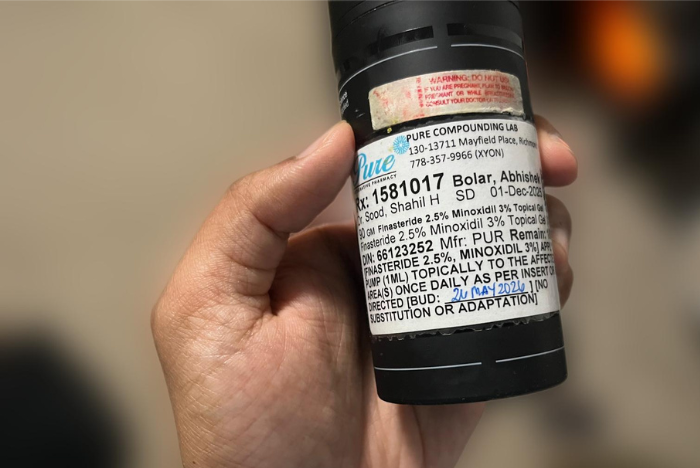
I can personally attest to the appeal of this approach. After years of hesitation due to worries about side effects from oral medication, I learned about topical gels.
I decided to try Xyon hair gel, and at first, I was so cautious I even used gloves to apply it. That didn’t last long, and I soon started using my hands. For me, the topical route felt like a much safer entry point into using a powerful medication like finasteride, and it’s been working well for nearly a year.
Navigating Potential Side Effects and Long-Term Considerations
No discussion of finasteride is complete without a transparent look at its potential side effects.
The most discussed concerns are related to sexual function, including decreased libido, erectile dysfunction, and a reduction in ejaculate volume. It’s crucial to understand that while these side effects are real, they only affect a small percentage of men who take the medication. For many who do experience them, they are often temporary and may resolve on their own or after stopping the drug.
The fear of persistent side effects, sometimes referred to as “Post-Finasteride Syndrome,” is a significant concern for many considering the treatment.
While this condition is reported by some individuals, it is not widely recognized by major medical bodies, and its mechanisms are not well understood. The overwhelming majority of users do not experience long-term issues. The decision to take finasteride involves weighing the proven benefits for your hair against the small but real risk of these potential downsides.
This is where open communication with a healthcare professional becomes non-negotiable. A doctor can help you assess your personal risk factors, monitor your progress, and make adjustments if needed.
Ultimately, the question “Is taking finasteride for hair loss worth it?” is a personal one. For many, the psychological and aesthetic benefits of maintaining their hair far outweigh the potential risks, but this calculation must be made on an individual basis with professional medical advice.
Finasteride in Comparison: How It Stacks Up Against Other Treatments
When exploring hair loss solutions, it’s helpful to understand how finasteride compares to other popular treatments. Its most common counterpart is minoxidil (brand name Rogaine).
The two work in completely different ways; while finasteride is a DHT blocker that tackles the hormonal cause of hair loss, minoxidil is a vasodilator. It works by widening blood vessels and increasing blood flow to the scalp, which can help stimulate hair follicles and prolong their growth phase.
Another 5-alpha reductase inhibitor, dutasteride, is sometimes used off-label for hair loss. It is more potent than finasteride, blocking more DHT, which may lead to better results for some but also potentially carries a higher risk of side effects. Because minoxidil and finasteride have different mechanisms of action, they are often used together. This combination therapy creates a powerful synergistic effect, fighting hair loss on two fronts for enhanced results.
I learned this firsthand on my own hair loss journey. After trying countless natural oils and even derma rolling, I realized that while things like minoxidil could help with blood flow, they weren’t going to stop the underlying cause of my male pattern baldness.
My hair loss was accelerating, and I knew I needed something to address the hormonal component. That realization is what finally pushed me to try topical finasteride, understanding that for real regrowth, I needed to block DHT.
Conclusion: Making an Informed Decision About Finasteride
In summary, the benefits of finasteride for hair loss are well-documented and scientifically proven. By effectively reducing DHT—the primary hormone responsible for male pattern baldness—it works to both halt the progression of hair loss and actively promote the regrowth of thicker, healthier hair.
Long-term studies confirm its high rate of success, making it one of the most reliable treatments available for men looking to preserve and restore their hair.
While the potential for side effects, particularly sexual ones, is a valid concern that must be taken seriously, they affect a minority of users. The development of topical formulations offers a promising alternative for those seeking to minimize systemic exposure. Ultimately, finasteride is a long-term commitment, as its benefits are maintained only with consistent use.
The most critical step is to consult with a healthcare professional who can provide personalized medical advice and help you determine if finasteride is the right and safe choice for your hair loss journey.
Key takeways
- Consult a healthcare professional to determine if finasteride is a safe and appropriate choice for you.
- Use finasteride consistently, as its benefits are only maintained with continuous, long-term application.
- Consider topical finasteride to reduce systemic absorption and the potential risk of side effects.
- Combine finasteride with minoxidil to fight hair loss via two different mechanisms for enhanced result.

Abhishek Bolar
Certified Hair Care Writer