TL;DR
The best anti-dandruff shampoo for thinning hair is Nizoral, which contains the active ingredient Ketoconazole. It works by killing the fungus that causes dandruff, thereby reducing the scalp inflammation that can contribute to hair shedding. Studies show ketoconazole is more effective than other ingredients at increasing hair shaft diameter and reducing hair loss. The author personally experienced a dramatic reduction in flakes and itching after just two washes. While not a direct hair regrowth product, it creates a healthy scalp environment that supports other hair loss treatments. For best results, use Nizoral just twice a week, leaving it on your scalp for a few minutes before rinsing.
Experiencing both dandruff and thinning hair can feel like a double whammy, leaving you frustrated and searching for a solution that addresses both concerns without making either worse.
I know this feeling all too well. My struggle started with stubborn dandruff that would flare up constantly, especially during the summer, causing relentless itching.
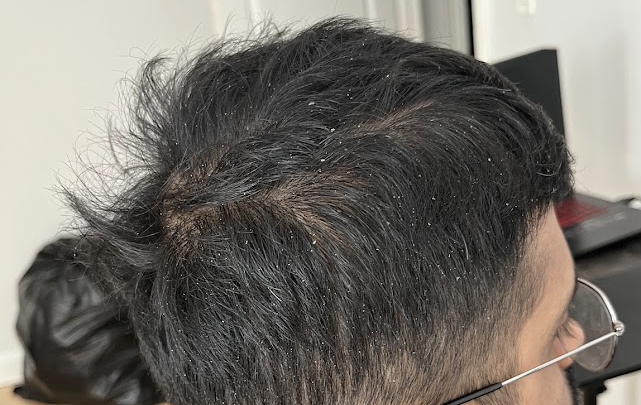
I tried everything, even applying lime juice to my scalp before washing, but it was only a temporary fix. Around the same time, I started noticing my hair thinning, a reality that was terrifying after years of barbers predicting I would eventually go bald.
The combination of visible flakes and thinning hair was a major blow to my confidence.
I dove into research, trying countless remedies from olive oil to onion juice, desperate for something that worked. It wasn’t until I found the best anti-dandruff shampoo for thinning hair, Nizoral, that things finally changed.
Understanding the Connection: Dandruff, Scalp Health, and Hair Thinning
It’s easy to think of dandruff and hair thinning as two separate problems, but they are often deeply connected.
The health of your scalp is the foundation for the health of your hair. When your scalp is compromised, your hair growth can suffer.
Dandruff, which is often a symptom of a condition called seborrheic dermatitis, is caused by an overgrowth of a yeast-like fungus called Malassezia.
This fungus feeds on scalp oils and produces byproducts that irritate the skin, leading to the inflammation, itching, and flaking we associate with dandruff.
This chronic inflammation is the real enemy of healthy hair. It can disrupt the normal hair growth cycle and damage hair follicles.
An inflamed, itchy scalp creates a hostile environment where hair struggles to thrive. Constant scratching can also cause physical damage to the hair shaft, leading to breakage and the appearance of thinner hair.
Therefore, getting control of your dandruff isn’t just about eliminating flakes; it’s a critical step in creating a healthy environment that supports robust hair growth and can help reduce shedding associated with scalp inflammation.
Key Ingredients: What to Look for in an Anti-Dandruff Shampoo for Thinning Hair
When you’re facing both dandruff and thinning hair, the ingredients in your shampoo matter more than ever.
The goal is to find an active ingredient that effectively targets the root cause of dandruff without being harsh on your hair or scalp.
The gold standard in this category is Ketoconazole.
This powerful antifungal agent works by binding to your hair’s natural protein to kill the Malassezia fungus, providing relief from flaking and itching. It gets to the root of the problem rather than just managing symptoms.
Related: Does Hair Regrowth Make Your Scalp Itch? Unpacking the Truth Behind the Tingle
Other common ingredients include Pyrithione Zinc and Selenium Sulfide, which also have antifungal properties but work through different mechanisms.
While they can be effective for mild dandruff, research suggests Ketoconazole may have an edge, especially for those concerned with hair thinning.
A study comparing shampoos found that 1% ketoconazole was more effective than both 1% piroctone olamine and 1% zinc pyrithione shampoos in increasing hair shaft diameter and reducing hair shedding over a six-month period.
According to the findings on nudging hair shedding by antidandruff shampoos, ketoconazole led to a significant increase in hair thickness and a decrease in the rate of hair loss. This makes it a standout choice for tackling both issues simultaneously.
Nizoral Anti-Dandruff Shampoo: A Personal Recommendation for Dual Concerns
After trying countless products and home remedies with little success, finding Nizoral Anti-Dandruff Shampoo felt like a breakthrough.
In my personal experience, it has been the single most effective solution for my stubborn dandruff. The constant itching and visible flakes were not only uncomfortable but also embarrassing.
I was skeptical that any over-the-counter product could make a real difference, but Nizoral proved me wrong almost immediately. After just two washes, I could see a dramatic reduction in flakes, and the maddening itch was finally gone.
What makes Nizoral so powerful is its active ingredient, Ketoconazole 2%. Unlike many cosmetic shampoos that only wash away flakes temporarily, Nizoral is a clinically proven treatment that gets to the source of dandruff by eliminating the fungus that causes it. It’s a medicated shampoo that delivers real results.
Despite its strength, I found that it leaves my hair manageable
Key Takeways
- Use a shampoo with Ketoconazole, like Nizoral, to treat the fungal root cause of dandruff, not just the symptoms.
- Limit use of medicated shampoo to twice a week to effectively treat dandruff without causing excessive dryness.
- Massage the shampoo into your scalp and leave it on for several minutes before rinsing to maximize its effectiveness.
- Pair your medicated shampoo with a gentle, moisturizing shampoo on alternate days to maintain hair hydration.

Abhishek Bolar
Certified Hair Care Writer