Summary
To support hair growth with spinach, you’re tapping into one of the most nutrient-dense leafy greens available. Spinach is loaded with folate, iron, and vitamins A and C — all of which play a role in keeping your hair follicles healthy. Research suggests that iron deficiency is linked to hair loss, and a single cup of spinach can provide around 20% of your daily vitamin A needs, making it a solid addition to any hair-friendly diet.
Nutrients in Spinach That Help Hair Growth
Spinach is packed with nutrients that your hair needs to grow strong. The big ones are iron, vitamin A, vitamin C, folate, and several B vitamins. Each of these plays a specific role in keeping your hair healthy.
Iron is probably the most important one when it comes to hair growth. Iron helps your red blood cells carry oxygen to your hair follicles. Without enough iron, your follicles don’t get the oxygen they need, and that can lead to shedding.
Vitamin A supports sebum production — that’s the natural oil your scalp makes to keep hair moisturized and strong. Vitamin C does double duty: it helps your body absorb iron from the foods you eat, and it supports collagen production, which strengthens your hair strands.
Folate, which is vitamin B9, helps with cell division and tissue growth. That includes the cells in your hair follicles. Spinach is one of the best natural sources of folate you can find.
If you want to learn more about the best foods for hair growth, check out our guide on best foods for hair growth for a full breakdown of what to add to your plate.
How Spinach Supports Hair Growth
The connection between spinach and hair growth comes down to a few key things. First, iron deficiency is one of the most common nutritional causes of hair loss. When your body doesn’t have enough iron, it can’t produce enough hemoglobin — the protein in red blood cells that carries oxygen. Your hair follicles need that oxygen to stay in the growth phase.
Understanding what causes thinning hair can help you figure out whether nutritional gaps are part of the problem. In my case, I realized my diet wasn’t giving me enough of the nutrients my hair needed.
Spinach also contains antioxidants that protect your hair follicles from damage caused by free radicals. Free radicals are unstable molecules that can damage cells, including the ones responsible for growing your hair. The vitamins C and E in spinach both act as antioxidants.
Vitamin A in spinach supports sebum production, which keeps your scalp and hair moisturized. A dry, flaky scalp can contribute to hair breakage and make thinning look worse. Research suggests that getting enough vitamin A through food — not supplements — is the safer approach, since too much vitamin A can actually cause hair loss.
Healthline’s guide on foods for hair growth breaks down the science behind why spinach ranks so high on the list of hair-friendly foods.
How I Add Spinach to My Diet
I started having spinach with brown rice a few years ago. It was simple — just cook some rice, toss in a handful of spinach, and eat. Spinach has vital nutrients like iron and others to aid your hair growth, so it made sense to include it regularly.
But cooking spinach every single day got old fast. It was time-consuming, and some days I just didn’t feel like standing over a stove. That’s when I switched to a spinach drink.
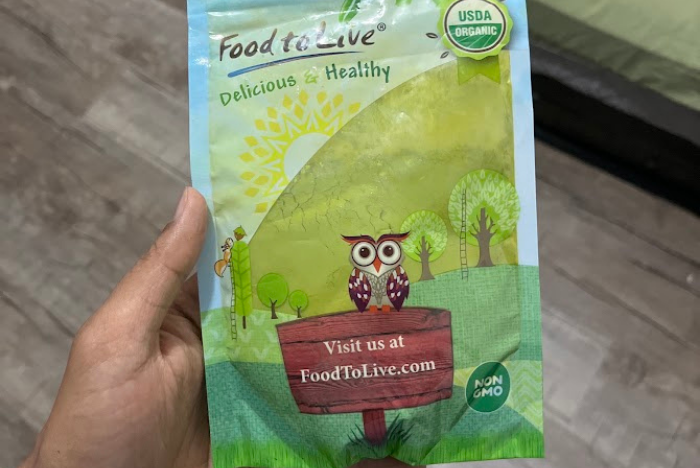
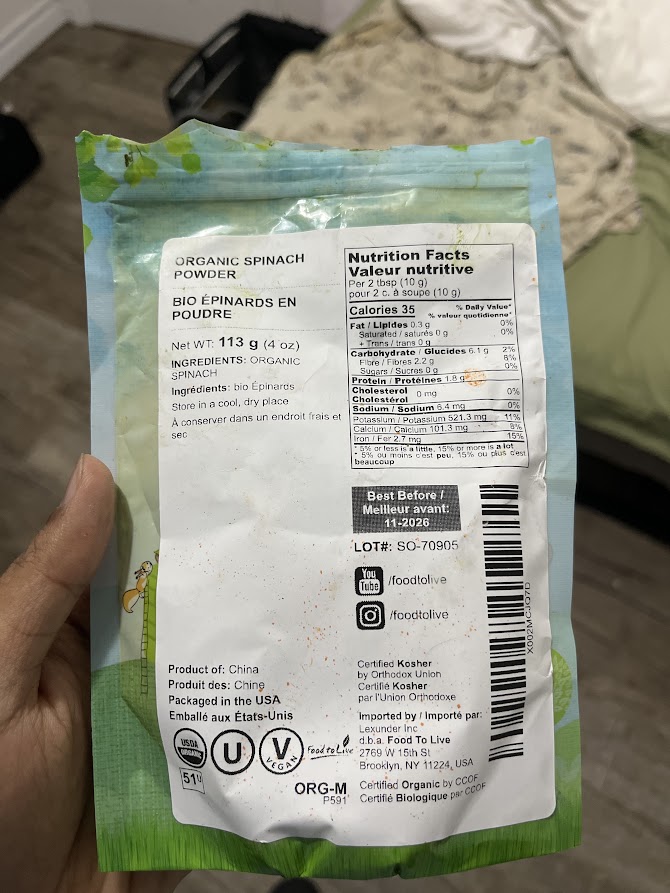
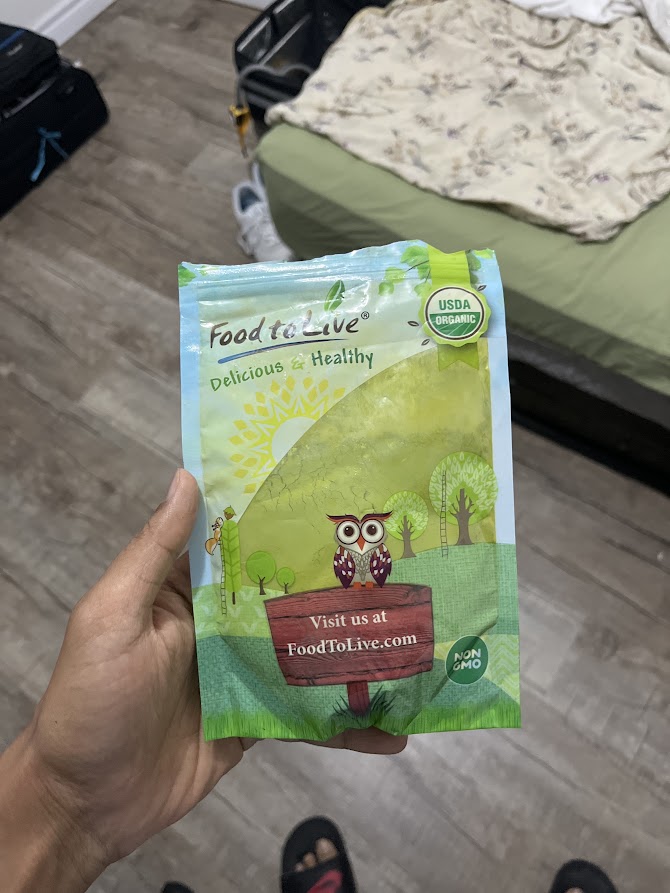
Last year, I started having a spinach drink instead. I got this organic spinach powder that I mix with milk and drink every day. It takes about 30 seconds to make, and I get all the same nutrients without the hassle of cooking.
If you’re looking for practical ways to improve the health of thinning men’s hair, adding spinach to your routine — whether cooked, raw, or as a powder — is one of the easier changes you can make.
The powder form isn’t for everyone. Some people prefer fresh spinach in smoothies, salads, or stir-fries. The point is finding a way to get it into your diet consistently. That matters more than how you eat it.
Other Foods That Help Hair Growth
Spinach isn’t the only food that supports hair health. There are several other options worth adding to your diet alongside it.
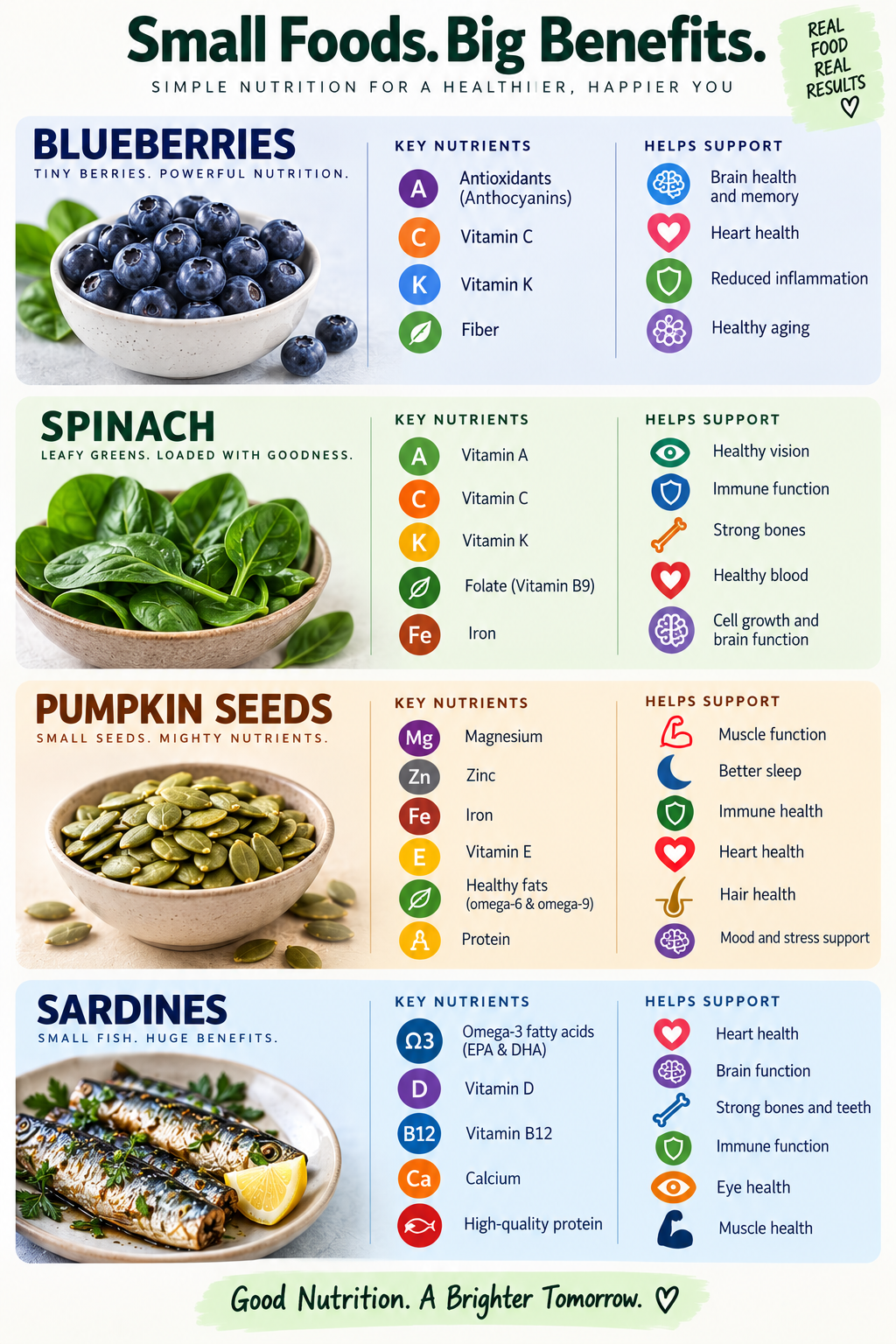
Pumpkin seeds are a big one. They’re rich in zinc and omega fatty acids, which both support hair strength. I snack on them regularly, and I’ve noticed they pair well with just about any meal. If you’re curious about the details, our guide on eating pumpkin seeds for hair growth covers the benefits in depth.
Eggs are another solid choice. They’re high in protein and biotin, both of which your hair needs to grow. Sardines give you omega-3 fatty acids and protein in one package. Berries — especially blueberries — are loaded with vitamin C, which helps with iron absorption.
Sweet potatoes deserve a mention too. They’re high in beta-carotene, which your body converts to vitamin A. That supports the same sebum production that spinach helps with.
Research on diet and hair loss from PubMed supports the idea that a nutrient-rich diet can help reduce hair shedding and support healthier growth over time.
The key is consistency. Eating spinach once won’t transform your hair, but making it a regular part of your diet — alongside other nutrient-dense foods — can make a difference over months.
Conclusion
Spinach is one of the best natural foods you can add to your diet for hair growth. It’s loaded with iron, folate, vitamins A and C, and antioxidants that support healthy follicles. Whether you eat it cooked, raw, or as a powder mixed with milk like I do, the nutrients are what matter.
I’ve been including spinach in my daily routine for years now, and while it’s not a miracle cure, it’s one piece of a bigger puzzle. Pairing it with other nutrient-rich foods like pumpkin seeds, eggs, and berries gives your hair the best chance to grow strong.
As always, if you’re dealing with significant hair loss, talk to your doctor. Diet helps, but it’s not a replacement for professional advice.
Key Takeaways
- Spinach is rich in iron, folate, and vitamins A and C — all nutrients directly linked to healthy hair growth
- Iron deficiency is a common cause of hair loss — spinach provides a solid plant-based source of iron
- Vitamin C in spinach helps your body absorb iron — making the nutrients more effective
- Consistency matters more than quantity — adding spinach to your daily routine is more impactful than occasional servings
- Pair spinach with other hair-friendly foods — pumpkin seeds, eggs, berries, and sardines all support stronger hair

Abhishek Bolar
Certified Hair Care Writer