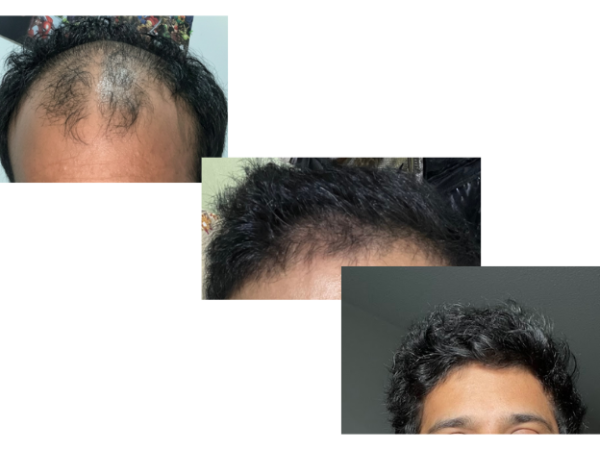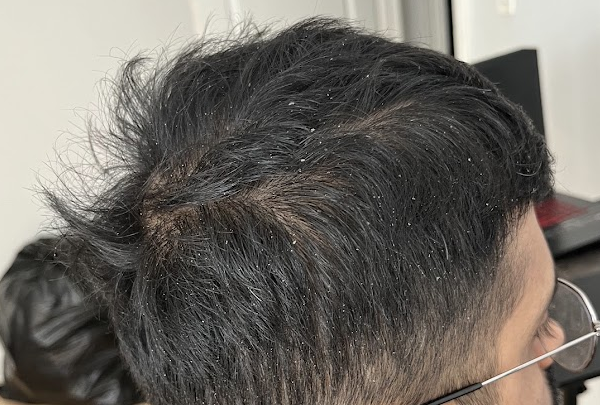
How to Avoid Thinning Hair as a Man: My Diet, Routine, and What Actually Worked
Summary Men can slow hair thinning by eating a nutrient-rich diet with protein, omega-3s, zinc, and iron, maintaining a consistent hair care routine with thickening…
Summary Men can cover thinning hair using practical methods like hair fibers, scalp concealers, strategic haircuts, thickening treatments, and accessories like beanies. In my personal…
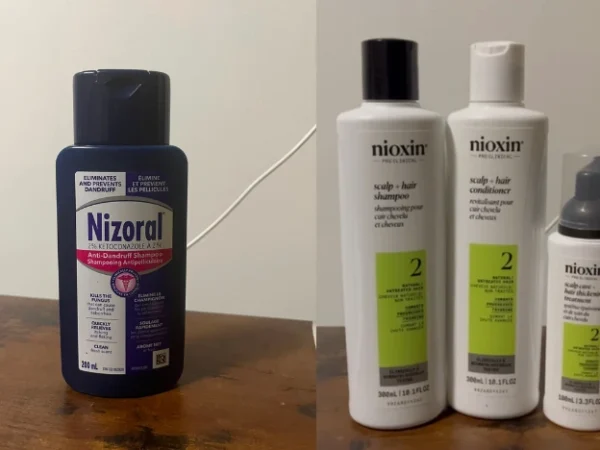
TL;DR Dermatologists most frequently recommend ketoconazole shampoo for men experiencing thinning hair. Ketoconazole is an antifungal ingredient found in over-the-counter products like Nizoral that addresses…
TL;DR Improving the health of thinning men’s hair requires a combination of proper nutrition, a consistent hair care routine, and the right treatments. Eating nutrient-dense…
TL;DR To address thinning hair on top of your head, research suggests starting with minoxidil — the most-studied topical treatment for crown thinning. A systematic…
TL;DR To slow hair thinning, a systematic review and meta-analysis published in the Journal of the American Academy of Dermatology found that minoxidil, finasteride, and…
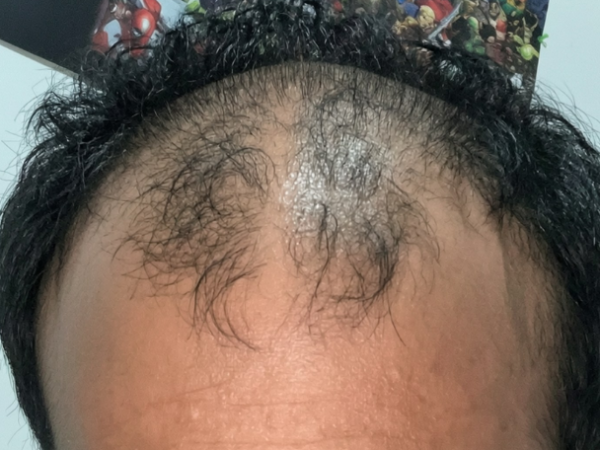
TL;DR Thinning hair happens because of genetics, hormonal changes, nutritional deficiencies, stress, or medical conditions like thyroid disease and alopecia areata. In my case, genetics…
TL;DR Is Nizoral better than Nioxin? No—they serve different purposes. Nizoral targets dandruff and scalp issues using ketoconazole, while Nioxin focuses on hair thickness and…
TL;DR Men’s hair thinning most commonly starts in the late 20s to mid-30s, though it can begin as early as the late teens. According to…
AI Summary Yes, a dry scalp can contribute to thinning hair. Factors like inflammation, damage to hair follicles, and underlying skin conditions can all cause…