TL;DR
Yes, minoxidil is an effective, scientifically-backed treatment for hair loss that stimulates growth by improving blood flow to follicles. It works as a vasodilator, prolonging the hair’s anagen (growth) phase to produce thicker, stronger hair. Available in topical and oral forms, one review found oral minoxidil improved symptoms in over 80% of patients. Visible results typically take three to six months of consistent daily use, and an initial shedding phase is common. However, it is not a cure; stopping treatment will reverse the results, and some people are non-responders. For best long-term results, especially for pattern baldness, combine minoxidil with a DHT blocker like Finasteride.
Minoxidil has been a cornerstone in the fight against hair loss for decades, but how effective is it really?
The conversation around the effectiveness of minoxidil for hair loss is filled with success stories and frustrating plateaus. From its origins as a blood pressure medication to its current status as a widely used hair growth stimulant, Minoxidil offers hope for many experiencing thinning hair.
This blog post will cut through the noise, exploring the scientific evidence, its various forms, potential side effects, and what you can realistically expect from treatment.
My own journey began in 2018 with natural remedies. I tried olive oil, then added pumpkin seed oil as a natural DHT blocker, and even experimented with onion juice.
But by 2021, when I started seeing actual gaps in my hair, I knew I had to consider something more powerful. We’ll delve into why some individuals see dramatic results while others feel it’s not working, helping you understand if Minoxidil is the right path for your hair restoration journey.
Understanding How Minoxidil Works to Combat Hair Loss
Minoxidil’s primary mechanism of action is as a vasodilator, meaning it works by widening blood vessels in the area where it’s applied.
This process opens up potassium channels in the cells, which enhances blood flow directly to the hair follicles on the scalp.
This increased circulation is crucial, as it delivers a richer supply of oxygen and essential nutrients needed for robust hair growth. By nourishing the follicles, minoxidil helps to revitalize them from a dormant state.
This enhanced environment helps to prolong the anagen, or active growth phase, of the hair cycle.
For many people experiencing pattern hair loss, this phase becomes progressively shorter, leading to finer, weaker hairs. Minoxidil effectively pushes back against this, encouraging dormant hair follicles to re-enter the anagen phase and begin producing thicker, stronger hair shafts.
The medication is converted on the scalp into its active form, minoxidil sulfate, which is believed to be the key compound responsible for stimulating this hair growth.
This process doesn’t just grow new hair; it also improves the quality of existing hair. The increased nutrient delivery can lead to a noticeable increase in hair density and thickness over time.
It’s a direct intervention that supports the biological process of human hair growth.
According to extensive clinical trials, topical minoxidil (5%) is the most effective monotherapy for men dealing with androgenetic alopecia, while the 2% concentration has shown comparable efficacy and a favorable safety profile for women, making it a versatile treatment for hair disorders.
Oral vs. Topical Minoxidil: Which is More Effective?
The choice between oral and topical minoxidil is a common dilemma for those seeking to combat hair loss and promote hair regrowth. Topical minoxidil, the original formulation approved by the Food and Drug Administration (FDA), is available over-the-counter as a solution or foam.
It is applied directly to the scalp, targeting the hair follicles at the source. This method is praised for its localized effect, which minimizes systemic absorption and reduces the risk of widespread side effects.
Oral minoxidil, on the other hand, is a low-dose pill taken by mouth. Originally used for hypertension, its hair-growing side effect led to its off-label use for androgenetic alopecia. This formulation offers convenience—a simple pill versus a daily scalp application—and ensures the medication is distributed systemically.
This can be beneficial for individuals who find topical application messy or who may not respond to topical treatment due to insufficient enzymes on the scalp needed to activate the drug.
I remember when I first started researching treatments; the potential side effects of oral medications like finasteride and minoxidil scared me off completely. That fear is what initially led me to explore topical gels and creams, which felt like a safer entry point.
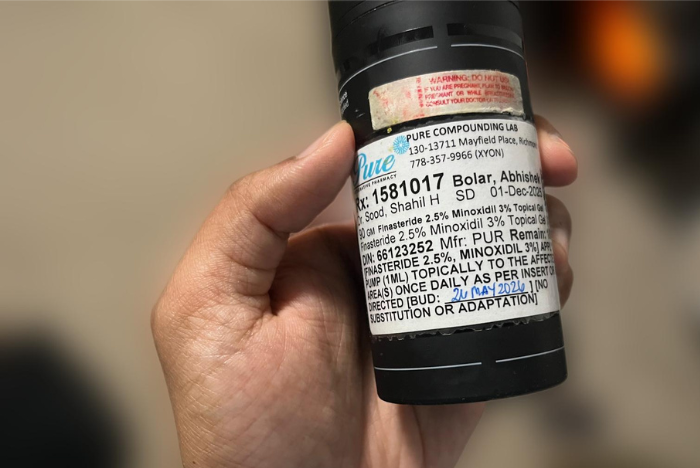
I eventually found a product called Xyon hair gel and decided to give it a try, feeling more comfortable with a localized application.
A large-scale review of 27 studies involving 2,933 patients found that with oral minoxidil, 35% experienced significant symptom improvement, and another 47% showed some level of improvement, highlighting its efficacy.
Dosage, Application, and Managing Expectations for Results
Getting the most out of your minoxidil treatment requires understanding the proper dosage and maintaining a consistent application routine. For topical minoxidil, the most common concentrations are 2% and 5%.
The 5% solution or foam is generally recommended for men, while the 2% is often suggested for women to reduce the risk of side effects like unwanted facial hair. Applying the product correctly—typically 1ml of solution or half a capful of foam twice daily to a dry scalp—is critical for efficacy.
One of the biggest hurdles can be the initial “dread shed,” where you may notice an increase in hair shedding a few weeks into treatment. This can be alarming, but it’s actually a positive sign. It means the minoxidil is working, pushing out the old, weaker hairs to make way for new, stronger ones to grow in their place. Patience is key, as visible results can take anywhere from three to six months of consistent use.
Before I committed to minoxidil, I was trying anything to stimulate my scalp. I bought a $25 derma roller from Amazon with a 0.5mm needle length, using it once a week to boost blood flow and hopefully encourage regrowth. While it felt proactive, it wasn’t a standalone solution. It’s also important to acknowledge the practical challenges; applying topical minoxidil can be tricky, especially for those with longer hair, but ensuring it reaches the scalp and not just the hair shaft is essential for it to work.
Navigating Side Effects and Non-Response
While the Food and Drug Administration (FDA) considers topical minoxidil generally safe for over-the-counter use, it’s important to be aware of potential side effects.
The most common issues are localized to the application site and include scalp irritation, dryness, itching, or redness, often caused by ingredients like propylene glycol in the solution.
Some users may also experience hypertrichosis, which is unwanted hair growth on the face or other areas due to accidental transfer of the product.
For those considering oral minoxidil, the risk profile changes. Because it is absorbed systemically, the side effects can be more widespread.
According to clinical data, the incidence of adverse events with oral minoxidil was reported at 27%, including issues like lightheadedness, fluid retention (edema), and palpitations. It’s crucial to start with a low dose under a doctor’s supervision to monitor for any negative reactions.
It’s also a frustrating reality that some people are “non-responders.” This often happens because their scalp lacks sufficient sulfotransferase enzymes to convert minoxidil into its active form, minoxidil sulfate.
If you’ve used it consistently for six months with no results, you might be a non-responder. From my perspective, it’s crucial to understand that minoxidil primarily helps with blood flow.
For real regrowth, especially in advanced cases of male pattern baldness, combination therapy with a DHT blocker like Finasteride is often necessary to address the hormonal cause of hair loss.
The Long-Term Commitment: Minoxidil as Part of a Hair Loss Strategy
Minoxidil is not a one-time fix or a cure for hair loss; it is a long-term management strategy. To maintain any hair regrowth or prevent further thinning, you must use it continuously.
If you stop the treatment, the hair follicles will revert to their previous state, and any new hair you’ve grown will likely shed within a few months. This reality underscores the importance of viewing minoxidil as part of an ongoing commitment to your hair health.
For many, especially those with more aggressive androgenetic alopecia, minoxidil alone may not be enough. This is where combination therapy comes in. Pairing topical or oral minoxidil with a 5α-Reductase inhibitor like Finasteride or Dutasteride can create a powerful, synergistic effect.
While minoxidil works to stimulate the follicle and improve blood flow, Finasteride works to lower levels of DHT, the hormone primarily responsible for shrinking hair follicles in pattern baldness.
By 2025, I had to face a hard truth. My natural routine with rosemary oil and derma rolling was helping me maintain what I had, but it couldn’t stop the progression of baldness.
I realized minoxidil’s main benefit is boosting blood flow, and to fight the root cause and achieve real regrowth, I’d need something like Finasteride too. Studies show that while long-term use of minoxidil maintains regrowth, its effects can plateau after 12–18 months, making a combined approach a more robust strategy for sustained results.
Conclusion
Minoxidil remains a powerful and scientifically backed tool in the battle against hair loss, offering a viable solution for many men and women. Its effectiveness, however, is nuanced.
Success depends heavily on individual factors like the underlying cause of your hair loss, your body’s ability to respond to the medication, and, most importantly, your consistency with the treatment. It is not a miracle cure but a long-term commitment that works by stimulating dormant hair follicles and prolonging their growth phase.
By understanding its mechanisms, choosing the right formulation—whether oral or topical—and managing your expectations about the timeline and potential side effects, you can make an informed decision. For many, the best results come from integrating minoxidil into a comprehensive treatment plan, often alongside other therapies.
Remember, consulting with a healthcare professional or a dermatologist is always the best first step to diagnose your hair loss and tailor a strategy to your specific needs.
Key Takeways
- Apply minoxidil consistently to a dry scalp, expecting visible results only after 3-6 months of use.
- Combine minoxidil with a DHT blocker like Finasteride to address both blood flow and hormonal hair loss.
- Commit to continuous, long-term use, as stopping the treatment will reverse any hair regrowth achieved.
- Consult a doctor to determine the right form and dose, especially for oral minoxidil due to systemic risks.

Abhishek Bolar
Certified Hair Care Writer