Summary
Men can slow hair thinning by eating a nutrient-rich diet with protein, omega-3s, zinc, and iron, maintaining a consistent hair care routine with thickening shampoos and scalp treatments, and addressing stress and vitamin deficiencies early. Genetics play a major role in male pattern baldness, so early intervention is critical — the sooner you act, the more hair you can preserve. A dermatologist can help identify the cause of your thinning and recommend treatments that fit your situation.
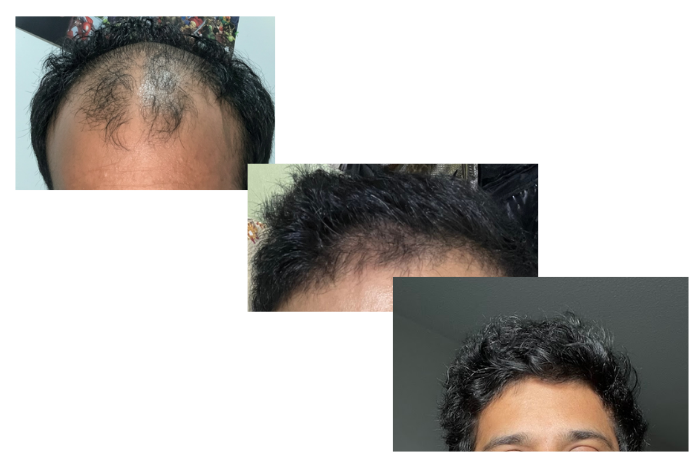
I first noticed my hair thinning back in 2018. I was in my late twenties, and up until then, I always had thick hair. Seeing those first signs of thinning was tough. I know it’s pretty normal for men to start losing hair in their late twenties, but I just couldn’t sit by and watch it happen without at least trying something.
If you’re going through the same thing — staring at the shower drain, noticing your part getting wider, or catching a glimpse of your scalp in certain lighting — I get it. It’s frustrating, and it can mess with your confidence. I’ve been there, and I’ve tried a lot of things. Some worked. Some didn’t. This blog post shares what I’ve learned through trial, error, and a whole lot of research.
What Causes Hair Thinning in Men
The most common cause of hair thinning in men is androgenetic alopecia — more commonly known as male pattern baldness. It’s a genetically predetermined condition where hair follicles shrink over time due to sensitivity to a hormone called dihydrotestosterone, or DHT. The follicles produce thinner and shorter hairs with each growth cycle until they eventually stop producing visible hair altogether.
According to the Cleveland Clinic, approximately 50% of men are affected by some form of hair loss by age 50. A Harvard Health article notes that about 20% of men start balding by age 20, and about 30% by age 30. The earlier it starts, the more aggressive it tends to be.
But genetics aren’t the only factor. Hair thinning can also be triggered or worsened by:
- Nutritional deficiencies — low iron, zinc, vitamin D, or protein can cause diffuse shedding
- Stress — both physical and emotional stress can push hair into the resting phase prematurely
- Poor scalp health — dandruff, inflammation, and buildup can affect follicle function
- Tight hairstyles — pulling on hair roots causes traction alopecia
- Medical conditions — thyroid issues, autoimmune diseases, and hormonal imbalances
In my case, I wasn’t sure at first whether it was genetics or something else. I was living in a basement apartment with low sunlight, which meant my vitamin D levels were probably tanked. That’s something I later learned could contribute to hair thinning. But the pattern of my loss — receding at the front and thinning at the crown — pointed strongly toward male pattern baldness.
My Hair Thinning Story
I want to be honest about my journey because I think it matters. I didn’t just wake up one day with the perfect routine. I threw the kitchen sink at my hair for years before finding something that actually helped.
2018 — The olive oil phase. When I first noticed thinning, I started applying olive oil to my hair every other day. After three months, my hair felt a bit thicker and the texture improved. It wasn’t a miracle, but it gave me hope. I mixed in pumpkin seed oil after reading about its potential as a natural DHT blocker. I’d massage it into my scalp with my fingertips to increase blood flow.
2019 — The onion juice experiment. I applied onion juice straight to my scalp and even drank a little every morning. The idea was to improve scalp circulation. It smelled terrible, and the results were minimal at best. I also tried a DHT blocking shampoo with apple cider vinegar, which did leave my hair looking shinier.
2021 — Things got more real. I started seeing actual gaps in my hair. That’s when I began worrying about male pattern baldness. I researched minoxidil and finasteride, but the potential side effects scared me off. I leaned into rosemary oil, jojoba oil, and derma rolling. I stuck with that for about a year. The derma roller (0.5mm needle length) helped a little — I used it once a week — but it wasn’t dramatic.
2025 — The turning point. A guy on my commute recommended his girlfriend, a hair stylist. She suggested iron, biotin, and vitamin C supplements plus a new hair care routine. I tried it for a couple of months, but honestly, I didn’t see much difference. That’s when I finally looked into topical minoxidil and finasteride instead of the oral forms, which felt safer to me.
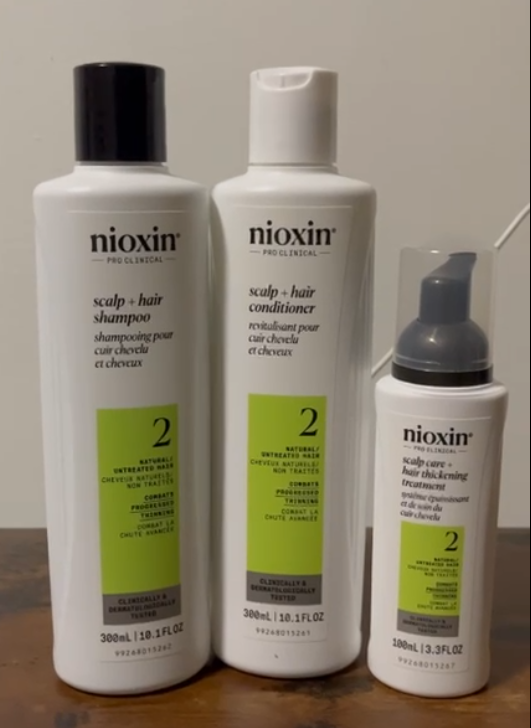
I started using a topical gel that contained both minoxidil and finasteride. After about a year of consistent use, my hair in the front not only grew back but came back a little thicker than before. I also bought a Nioxin Scalp + Hair Thickening System Kit to support the process.
The Diet That Helped My Hair
I’m a big believer that what you eat shows up in your hair. Hair is made of keratin, which is a protein. Your body needs raw materials to build it. If you’re not getting enough nutrients, your hair is one of the first things to suffer.
Here’s what I personally include in my diet for hair health:
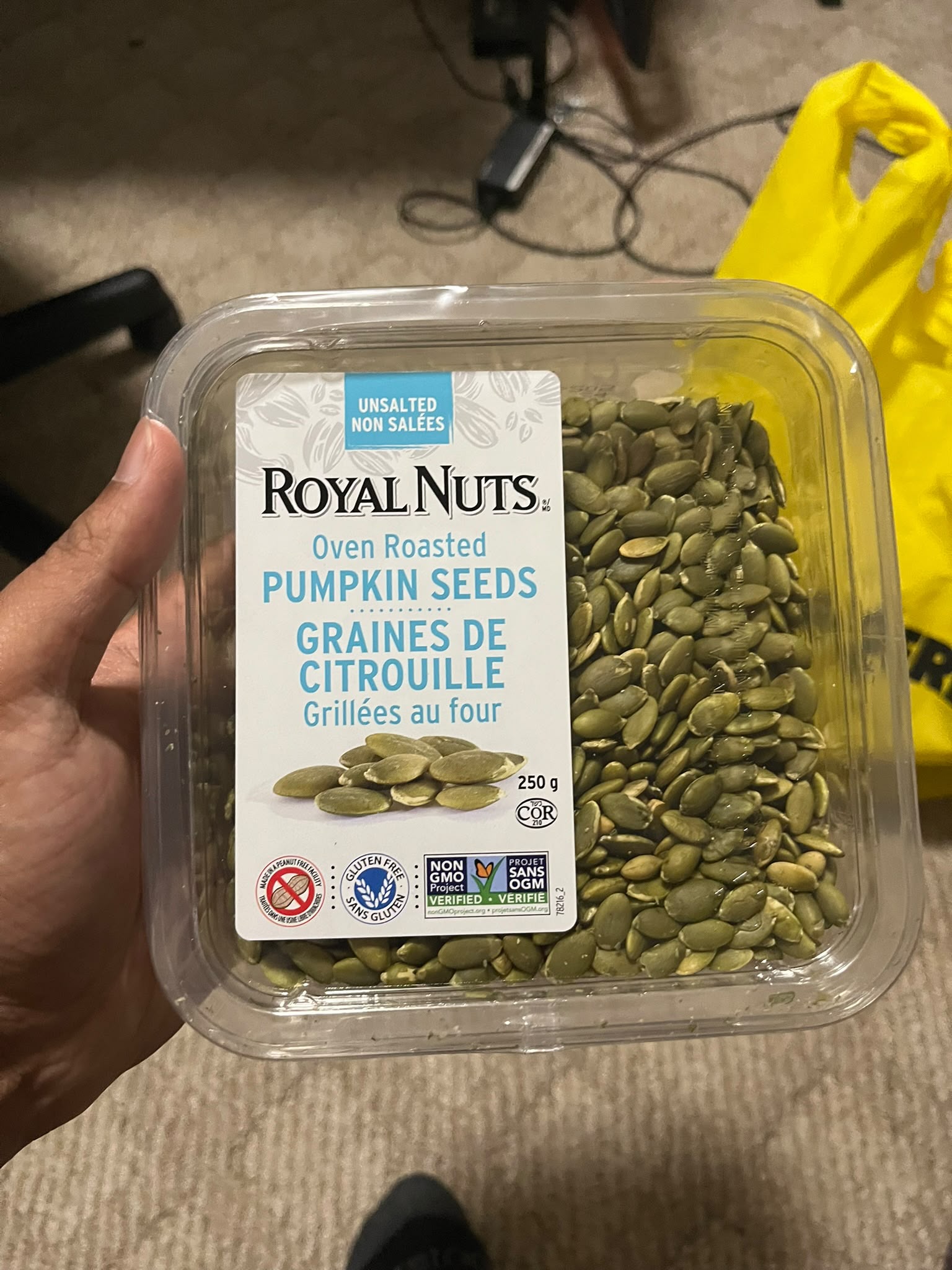
Pumpkin seeds — These are packed with omega fatty acids, zinc, and magnesium. Zinc plays a direct role in hair tissue growth and repair. I buy mine from No Frills and eat them as a snack or toss them into meals.
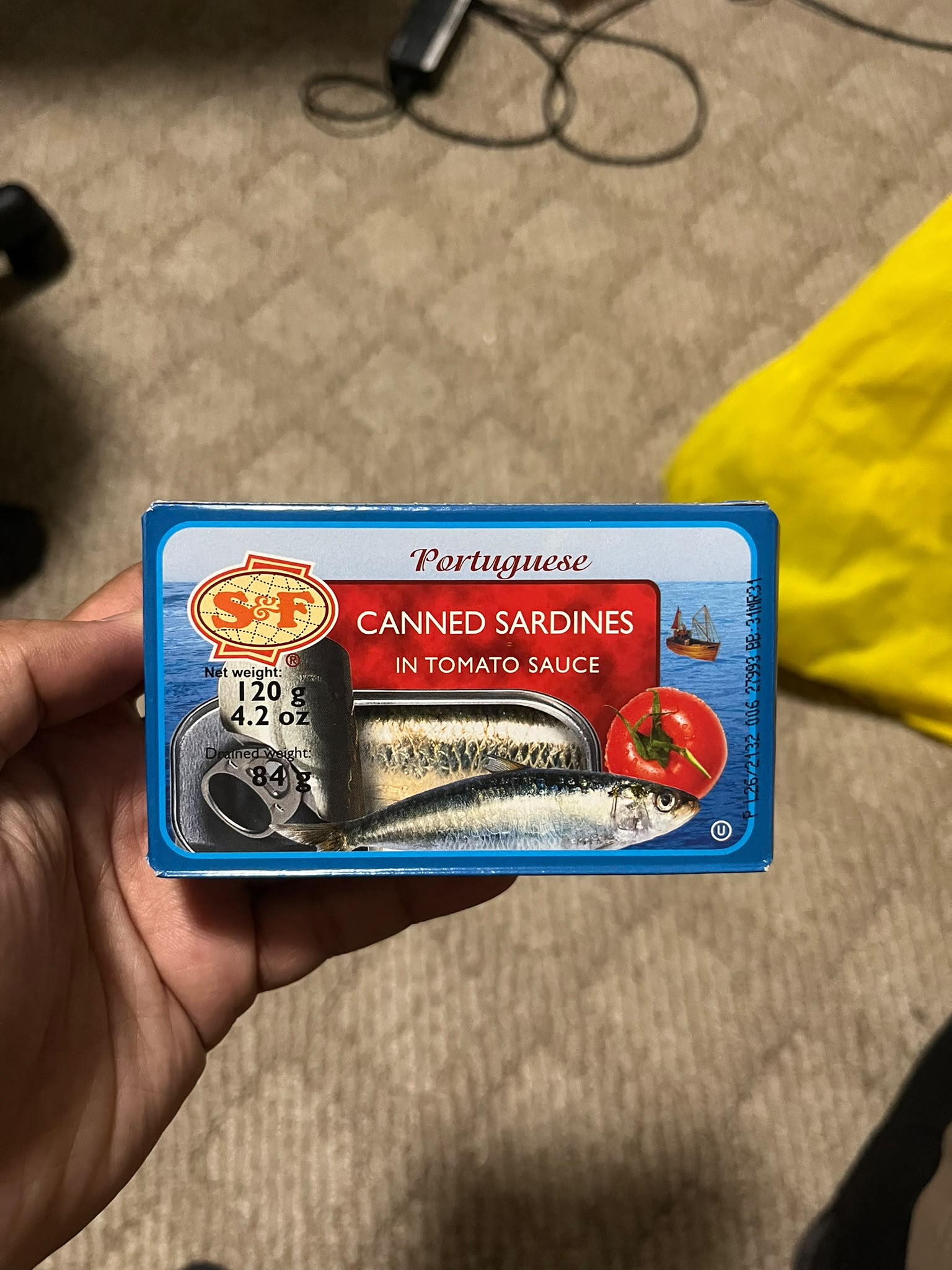
Sardines — Rich in omega-3 fatty acids, protein, vitamin D, and B12. Omega-3s help reduce inflammation, which can affect hair follicles. I try to have sardines a few times a week.
Eggs — I eat at least four eggs a day. Eggs provide protein, biotin, and selenium — all of which support hair structure. A Frontiers in Nutrition study found that dietary supplements with similar nutrient profiles improved hair density in men with androgenetic alopecia.
Spinach — High in iron, folate, and vitamins A and C. Iron deficiency is a well-documented cause of diffuse hair shedding. If you’re vegetarian or don’t eat much red meat, spinach is worth adding.
Walnuts — These contain biotin, vitamin E, and zinc. I snack on them regularly.
The key isn’t any single superfood. It’s consistency. I’ve been eating this way for years, and while diet alone didn’t stop my hair loss, it gave my hair the foundation it needed to respond better to topical treatments.
A meta-analysis published in BMC Public Health found that overweight/obesity, poor sleep, and alcohol consumption are all associated with progression of androgenetic alopecia. So it’s not just about what you eat — it’s also about maintaining a healthy weight and overall lifestyle.
My Hair Care Routine
Having a consistent hair care routine has been just as important as diet. Here’s what my current routine looks like:
Washing schedule: I shampoo my hair on alternate days because I apply Xyon gel on the days I don’t wash. This keeps my scalp clean without stripping it.
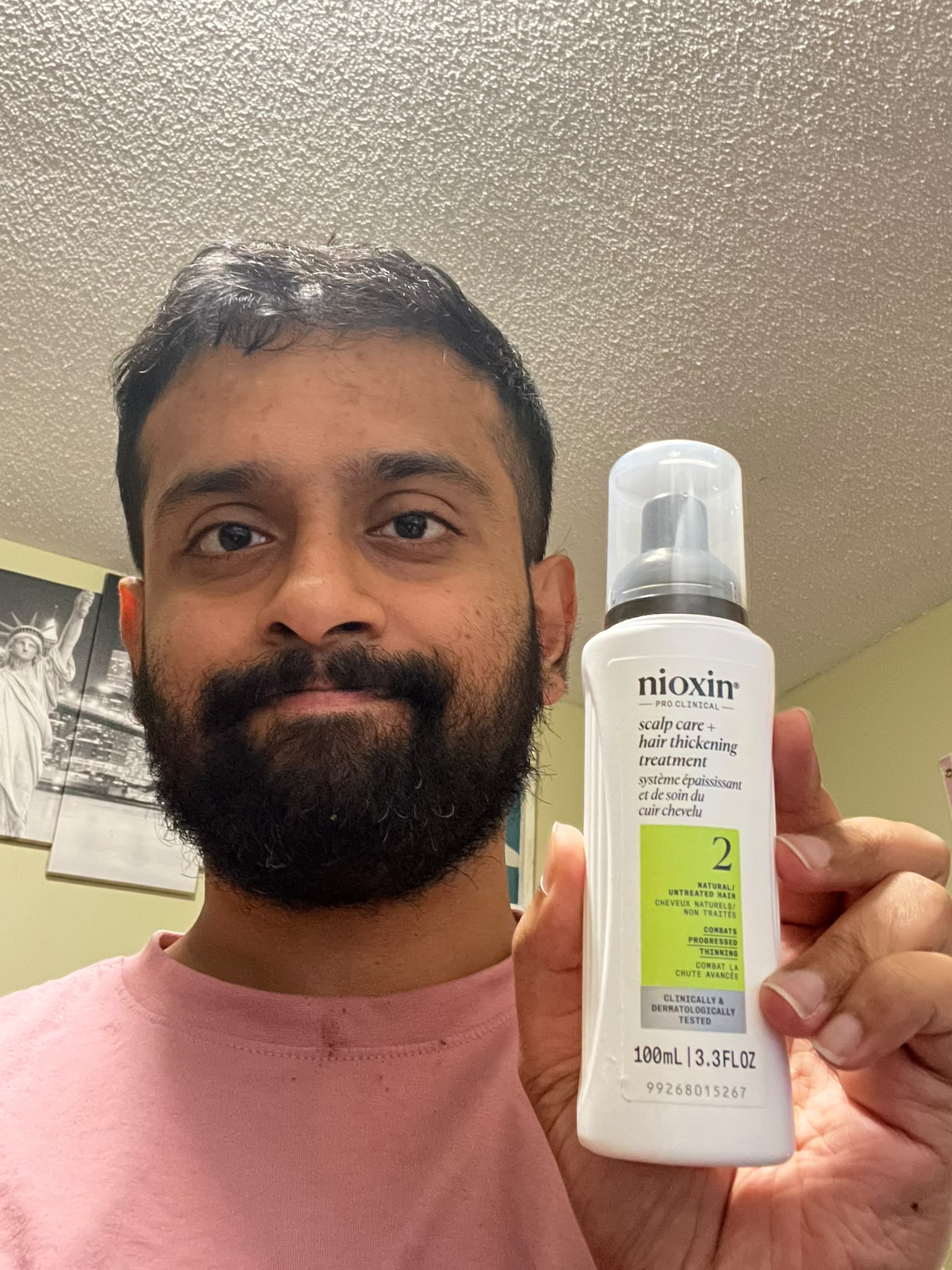
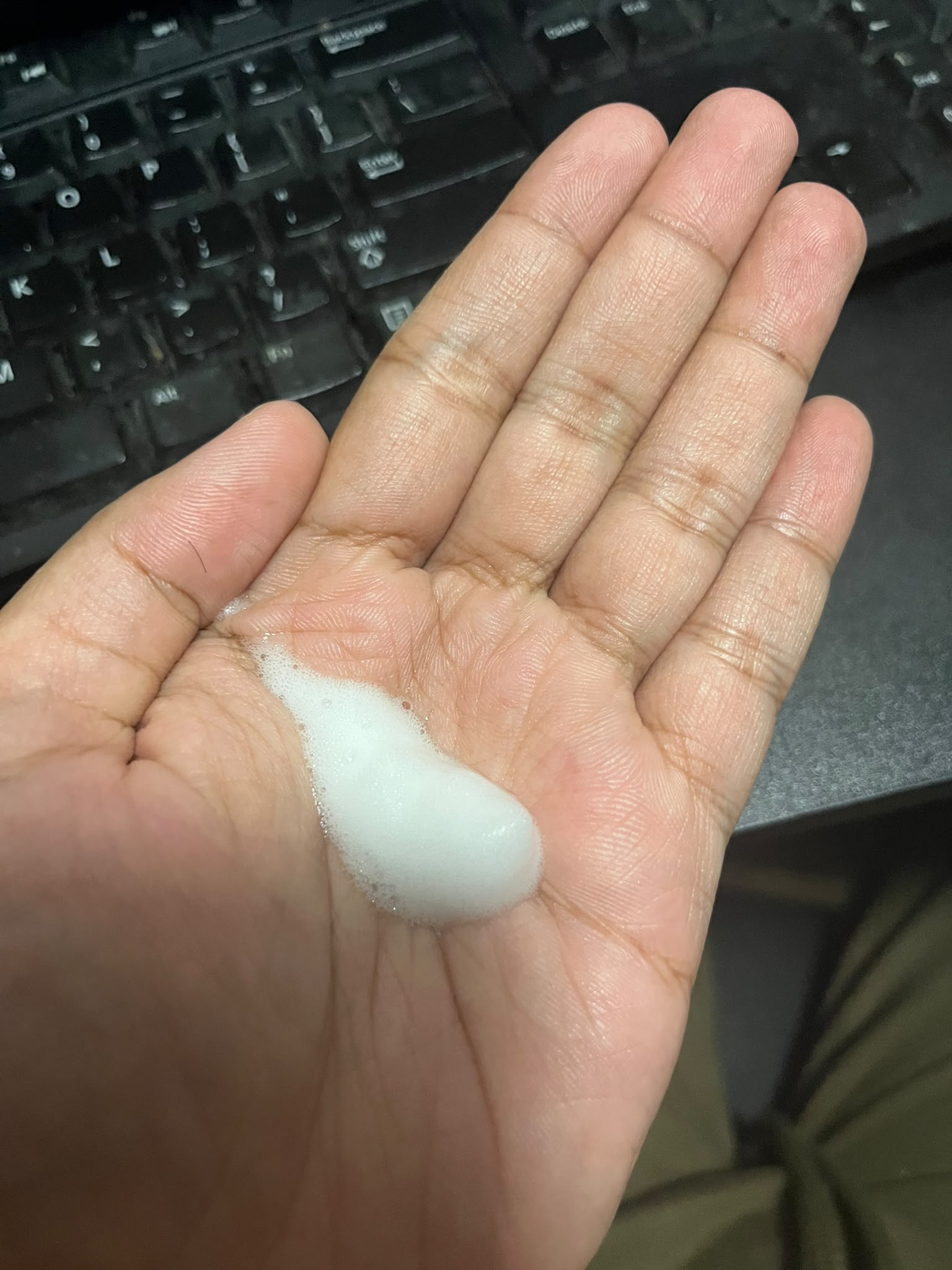
Nioxin System Kit: I use the Nioxin Scalp + Hair Thickening System Kit twice a week. It comes with three products: a cleanser shampoo, a scalp therapy conditioner, and a hair thickening treatment foam. I shampoo for about a minute, condition for two minutes, then apply the foam treatment to my scalp after drying. The day after washing, my hair looks like it has more volume.
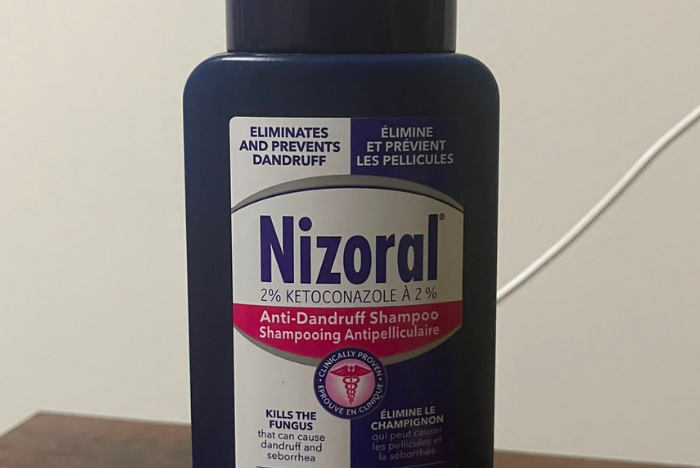
Nizoral: I use Nizoral Anti-Dandruff Shampoo once a week. When I first bought it about two years ago, I used it three times a week to clear up serious dandruff. Within two washes, the flakes disappeared. Now I use it once a week to keep dandruff at bay. Dandruff itself doesn’t cause hair loss, but the scratching it causes can damage follicles and make thinning worse.
Xyon gel: I apply a topical gel containing minoxidil and finasteride on alternate days, focusing on my crown and front hairline. This is what I credit most for actual regrowth. It took about a year to see noticeable results, but consistency paid off.
Scalp massage: I use a scalp massager two to three times a week to help with blood circulation. It’s relaxing and costs almost nothing.
This is based on my personal experience and what I’ve read. Individual results vary. Consult your doctor before trying any treatment.
What Didn’t Work for Me
I think it’s important to share what failed, not just what worked. That way, you can skip the wasted time and money.
Olive oil alone — It made my hair feel softer and look a bit thicker temporarily, but it didn’t stop the progression of thinning. It’s a fine moisturizer, not a treatment.
Onion juice — I applied it to my scalp and even drank it. The science behind it is weak, and I saw zero meaningful results. Plus, the smell is unbearable.
Rosemary oil — Often described as a natural alternative to minoxidil. I used it for months alongside jojoba oil. It might have helped me maintain what I had, but it couldn’t stop the baldness or regrow hair.
Derma rolling — I used a 0.5mm needle derma roller once a week for about a year. Some research suggests microneedling can help, but in my experience, the impact was minimal on its own.
Hair stylist recommendations — The stylist I visited suggested iron, biotin, and vitamin C supplements. I took them for a couple of months but didn’t see a difference. That said, if you’re actually deficient in these nutrients, supplementing can help. I’d recommend getting a blood test first rather than guessing.
The lesson I learned: natural remedies can support hair health, but they’re usually not enough to stop male pattern baldness on their own. For real regrowth, I needed something that addresses the hormonal component.
Supplements and Vitamins Worth Considering
I’m cautious about supplements because the hair growth supplement market is full of hype. But some nutrients do have evidence behind them, especially if you’re actually deficient.
Vitamin D — Living in Canada, especially during winter, makes it hard to get enough sunlight. Vitamin D deficiency has been linked to hair loss conditions including alopecia areata. I started taking vitamin D supplements and making an effort to get outside more. If you live somewhere with limited sunlight, this is worth checking.
Iron — Low ferritin (stored iron) is a well-documented cause of diffuse hair shedding in both men and women. A simple blood test can tell you where you stand. Don’t supplement iron without testing first — too much iron can be harmful.
Biotin — Biotin deficiency can cause hair loss, but most men get enough biotin from their diet (eggs, nuts, fish). Supplementing with biotin probably won’t help if you’re not deficient. A Cleveland Clinic article notes that getting nutrients through food is generally better than supplements.
Saw palmetto — This plant extract has been studied for its potential to inhibit 5-alpha reductase, the enzyme that converts testosterone to DHT. A study cited in Frontiers in Nutrition found that saw palmetto improved hair loss in 38% of patients over two years, though this is lower than finasteride’s effectiveness rate. It’s available as a supplement and in some shampoos.
Omega-3 fatty acids — Found in fish, walnuts, and flaxseed. Research suggests omega-3s may support hair density, though the evidence is still developing.
The most important thing I can say about supplements: get blood work done first. Know what you’re actually deficient in before spending money on pills. And always talk to your doctor before starting any new supplement routine.
When to See a Dermatologist
One of the biggest mistakes men make with hair loss is waiting too long to seek professional help. According to dermatologist Dr. Chey Ranasinghe, quoted in a Cleveland Clinic article, “Hair loss treatment is about preservation first. The biggest mistake people make is waiting.”
See a dermatologist if:
- You notice your hairline receding or thinning at the crown
- You’re losing more hair than usual when washing or brushing
- Your hair loss is causing stress or affecting your daily life
- Over-the-counter treatments aren’t showing results after a few months
- You notice sudden or patchy hair loss
A dermatologist can determine the cause of your hair loss through examination and, if needed, blood tests. They can also recommend treatments tailored to your specific situation — whether that’s topical treatments, prescription medications, or other options.
I put off seeing a professional for years because I was scared of what I’d hear. Looking back, I wish I’d gone sooner. Early intervention gives you the best chance of keeping the hair you have.
Key Takeaways
- Start early. Hair thinning is easier to slow down than to reverse. The sooner you take action — whether through diet, routine changes, or professional treatment — the more hair you can preserve.
- Eat for your hair. Protein, omega-3s, iron, zinc, and vitamin D are the building blocks. Pumpkin seeds, sardines, eggs, spinach, and walnuts are practical foods that deliver these nutrients.
- Build a consistent routine. A thickening shampoo, conditioner, and scalp treatment used regularly can improve the appearance of thinning hair. Consistency matters more than any single product.
- Don’t rely on natural remedies alone. Oils and supplements can support hair health, but they usually can’t stop male pattern baldness by themselves. Talk to your dermatologist about options that address the hormonal component.
- Get blood work done. Before spending money on supplements, know what you’re actually deficient in. Vitamin D, iron, and thyroid issues can all contribute to hair thinning and are treatable once identified.

Abhishek Bolar
Certified Hair Care Writer