TL;DR
Yes, short hair is better for thin hair because it removes weight and creates the illusion of volume. Long hair’s weight pulls strands down, making them look flat, while shorter styles allow for natural lift at the root. Blunt cuts like bobs and pixies create a solid, defined line at the ends, making hair appear much thicker. Maximize this effect by using a texture spray and blow-drying with a round brush to build body. Avoid over-layering and razor cuts, which can make fine hair look even thinner and frayed. For best results, consult a stylist about the right cut and consider holistic approaches like nutrition, as studies show it can increase hair shaft diameter.
The short answer is a resounding yes, and it’s not just wishful thinking. A shorter haircut can genuinely create the illusion of volume and texture, transforming the look and feel of your locks.
I recently put this theory to the test myself. After sporting longer, finer hair for a while, I decided to go for a shorter style. The change was immediate.
Not only did my colleagues say it looked great, but I could see the difference myself. My hair instantly appeared to have more body and life, proving that a good haircut can be a game-changer for thin hair.
It’s all about working with what you have to create a fuller, more dynamic hairstyle.
Short vs. Long: Why Shorter Hair Often Wins for Thin Hair
The primary reason short hair works so well for fine hair is because long hair is heavy, and that weight pulls your strands downward from the root.
For hair that’s already thin, this can lead to a flat, lifeless appearance.
By cutting your hair shorter, you remove that excess weight, allowing the roots to lift and create natural hair volume that was previously impossible to achieve.
Beyond the science, there’s a powerful optical illusion at play.
When thin hair grows long, the ends can become wispy and almost transparent, which emphasizes its lack of density.
A shorter, blunter cut creates a solid, defined line at the bottom, making your hair look much thicker and healthier.
The Best Short Hairstyles for Women with Thin Hair
Choosing the right short hairstyle is key to maximizing volume and texture.
For women with thin hair, certain cuts are practically magic.
These styles are designed to build body and create movement, giving you the fuller hair you’ve been dreaming of. They work by incorporating smart layering, blunt lines, and shapes that flatter fine strands.
Pixie Cut
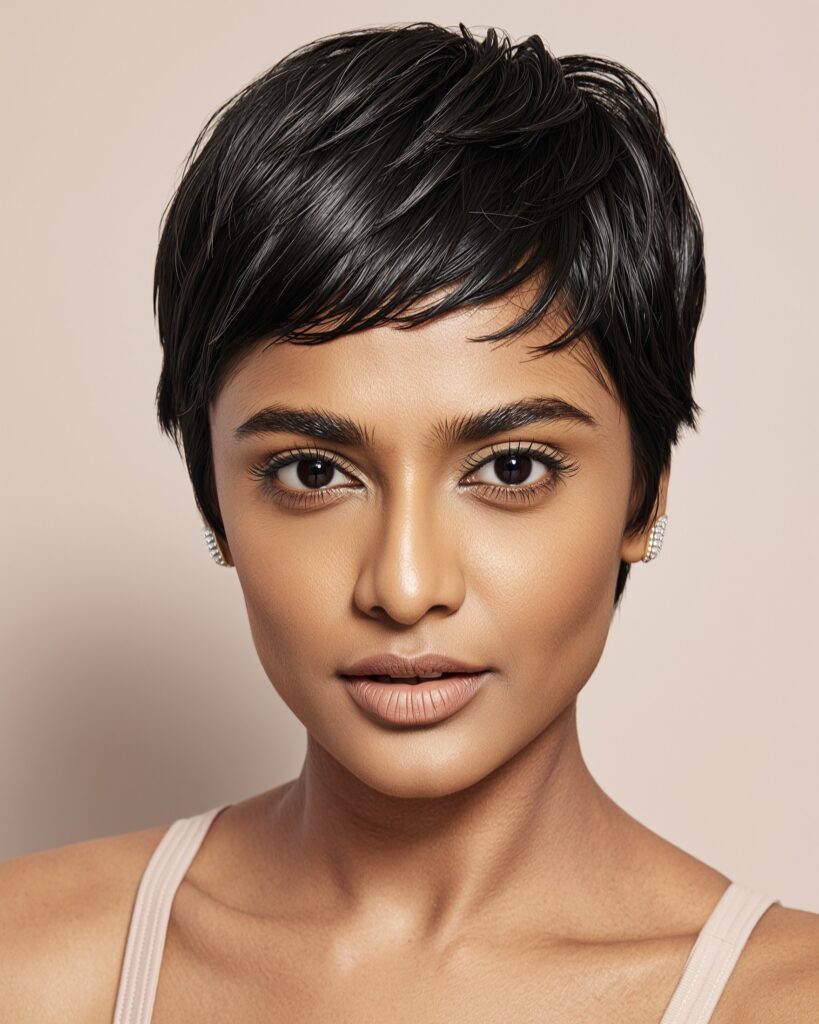
A well-structured pixie cut is a fantastic choice for making fine hair appear much denser. By keeping the hair short and close to the head, a choppy or wispy pixie creates incredible lift and movement. Ask your stylist for texture throughout the top to avoid a flat look. This cut draws attention to your facial features and is surprisingly versatile to style.
Bob Cut
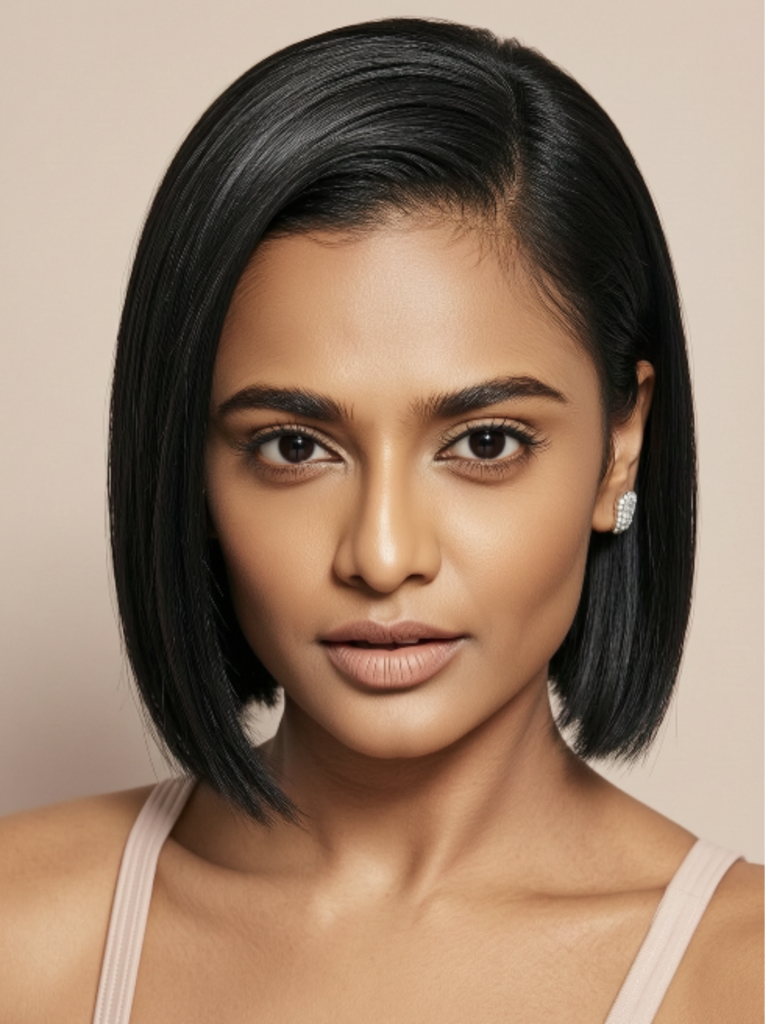
The bob is a timeless classic for a reason, and it offers several variations that are perfect for thin hair. A classic, chin-length short bob with blunt ends creates a strong, full-looking line. For even more volume, consider a graduated bob, which features shorter layers in the back that get progressively longer towards the front, building weight and fullness where you want it most. A sharp bob provides a sleek, modern edge that also enhances density.
Lob (Long Bob)
If you’re not quite ready to commit to a super short style, the lob, or long bob, is your best friend. This mid-length cut typically falls around the collarbone, offering the illusion of length while still being short enough to prevent your hair from being weighed down. A lob is incredibly versatile and can be styled straight for a sharp look or with waves to add texture and body.
Shag
The modern shag is all about creating an airy, voluminous, and effortlessly chic feel. This hairstyle uses strategic layers to add texture and movement throughout your hair, which is ideal for fine strands. The layers remove just enough weight to create lift without making the ends look sparse, resulting in a perfectly undone style that looks naturally full.
Considering a Short Cut for Thinning Hair Over 50?
For many women over 50, hair can naturally become thinner over time. A shorter hairstyle can be a wonderfully rejuvenating choice, offering both style and practicality.
Shorter cuts not only create a fuller appearance but are also often much easier to manage and style on a daily basis, giving you a polished look with minimal effort.
Elegant cuts like a sophisticated short bob, a soft pixie, or a chic chin-length style can be incredibly flattering.
These hairstyles can frame the face beautifully and provide a modern, youthful lift. The key is to work with a stylist who understands how to create a flattering finish that complements your features and lifestyle, proving that style only gets better with age.
Hairstyle Options for Men with Thin Hair
Men dealing with thin hair or bald spots can also benefit greatly from a smart haircut. The right short style can effectively disguise thinning areas and create the appearance of a fuller head of hair.
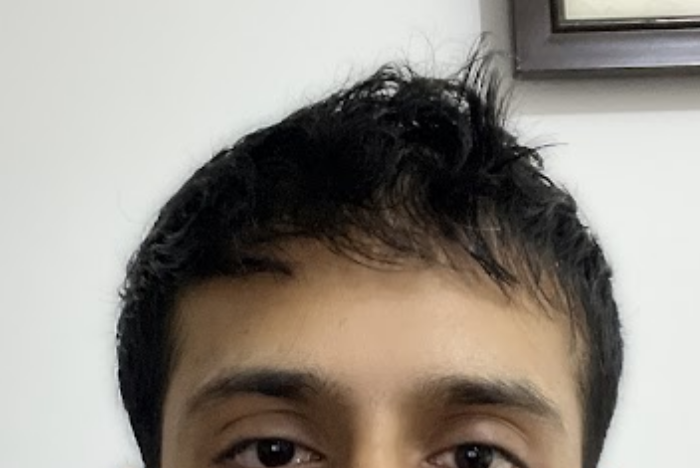
Styles like a classic crew cut, a textured crop, or a buzz cut work well by minimizing the contrast between thicker and thinner areas.
I believe a great technique is to ask your barber for a subtle fade on the sides. This draws the eye upward and makes the hair on top appear more dense and full of texture.
This strategic approach helps hide any gaps or bald spots an observer might otherwise see, creating a clean and confident look that works with your hair, not against it.
Styling Secrets: Maximizing Volume in Short, Thin Hair
The right cut is only half the battle; your styling routine is where you can truly amplify your hair’s volume.
For short, fine hair, start by blow-drying with a round brush, lifting the hair at the roots to build body. Flipping your head upside down while you blow-dry can also create significant lift before you finish styling.
A good texture spray is a non-negotiable for adding grit and fullness to fine strands. After drying, a light mist can give your hair that perfectly undone, airy look.
Additionally, incorporating a side-swept fringe or soft curtain bangs can work wonders. These elements frame the face and create another layer of dimension, contributing to the overall illusion of thicker, fuller hair.
What to Avoid: Short Hair Mistakes for Thin Hair
While short hair is often a great solution, the wrong cut can backfire and make thin hair look even thinner.
The biggest mistake is getting too many layers or overly wispy ends. While some strategic layering adds movement, over-layering can remove too much bulk, leaving you with sparse patches and see-through ends.
Avoid razor cuts, which can shred the ends of fine hair and make them look frayed and even thinner.
Stick to blunt, sharp lines whenever possible, as they create the strongest visual foundation of density. The goal is to create the illusion of fullness, not to spotlight every sparse area with a cut that lacks structure and weight.
Beyond the Cut: Holistic Approaches to Thinning Hair
A great haircut is a fantastic tool for managing thin hair, but it’s one part of a larger picture. To support your hair health from the inside out, consider a holistic approach.
Using hair care products specifically formulated for volume can make a noticeable difference, as they are designed to be lightweight and won’t weigh your hair down.
It’s also important to be gentle with your hair to prevent breakage, which can contribute to a thinner appearance.
Furthermore, research shows that nutrition plays a role in hair health.
According to one study, ingestion of hair growth nutraceuticals was associated with a significant increase in hair shaft diameter across all groups by day 180, suggesting that internal support can complement your external styling efforts.
FAQ: Your Top Questions About Short Hair and Thin Hair Answered
Which hair length is best for thin hair?
Generally, shorter to mid-length cuts that fall anywhere from your chin to your collarbone are best for thin hair. This length is short enough to prevent the hair from being weighed down, which allows for more natural lift and volume at the root, creating a fuller overall appearance.
What hair cut is best for thin, fine hair?
The best haircuts for thin, fine hair are those that create the illusion of thickness and density. Popular and effective options include blunt bobs, graduated bobs, textured pixie cuts, and modern shags. These styles use strong lines and strategic layers to build volume and movement.
Should I cut my hair if it’s thinning female?
Yes, cutting your hair shorter is an excellent strategy for women experiencing thinning hair. A shorter style can make your hair appear significantly fuller and is often easier to manage. It can also boost confidence by creating a chic, voluminous look that minimizes the appearance of thinning.
Is it better to have short hair if you have psoriasis?
While a haircut won’t cure psoriasis, having short hair can make managing the condition much easier. Shorter hair allows for easier application of topical treatments directly to the scalp and can improve air circulation, which may help soothe irritation. Always consult a dermatologist for medical advice.
Conclusion: Embrace the Chop for Fuller-Looking Hair
So, is short hair better for thin hair? The evidence overwhelmingly points to yes. From the physics of weight reduction to the optical illusion of blunt ends, a shorter cut is one of the most effective ways to make your hair appear thicker, fuller, and more voluminous. It’s a powerful tool for transforming fine strands into a dynamic, stylish look.
Don’t be afraid to embrace the chop. The key is to find the right style for you. Consult with a trusted hairdresser who can assess your hair type, texture, and face shape to recommend the perfect short hairstyle. With the right cut, you can leave the salon feeling confident and empowered with beautiful, fuller-looking hair.

Abhishek Bolar
Certified Hair Care Writer