TL DR;
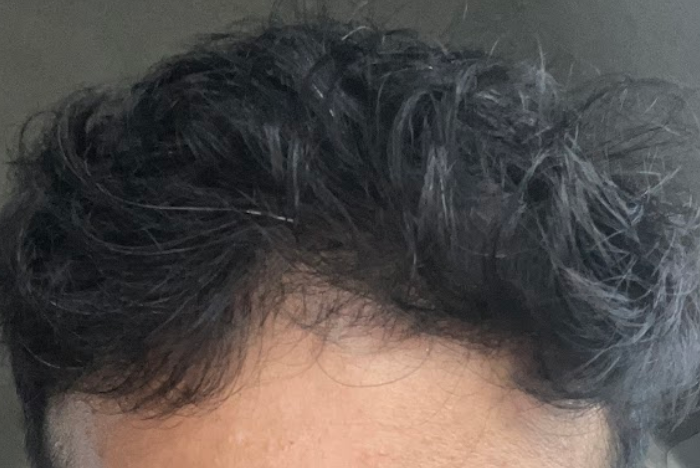
The best hairstyles for men with thin hair are short, textured cuts that create the illusion of volume and fullness. Styles with short sides and a longer, textured top, like a messy fringe, create contrast that makes hair appear thicker. Styling hair forward is also effective as it can conceal a receding hairline or thinning spots near the front. Use lightweight, matte-finish products like paste or clay to add texture without the shine that can expose the scalp. With about 50% of men experiencing noticeable hair loss by age 50, these styling techniques are crucial for confidence. To get the right cut, clearly ask your barber for “texture on top” and bring photos for reference.
Thinning hair can feel like a personal battle, but it doesn’t have to define your style.
As someone who’s navigated the world of fine hair for years, I know the frustration of trying to find a cut that doesn’t just “work” but actually makes you feel confident.
Forget those generic lists; we’re diving deep into the best hairstyles for men with thin hair that maximize volume, camouflage thinning areas, and elevate your look.
We’ll explore cuts that make your hair appear thicker, styling tricks that add serious oomph, and the products that genuinely make a difference.
Whether you’re dealing with a receding hairline or overall diffuse thinning, this guide is packed with insights from my own journey and expert advice to help you embrace your hair and look your absolute best.
According to some studies, 27% of men in their 20s report thinning hair, and by age 50, approximately 50% of Caucasian men have noticeable hair loss – you’re definitely not alone in this.
Short & Smart: Haircuts for Men with Thin Hair That Add Instant Volume
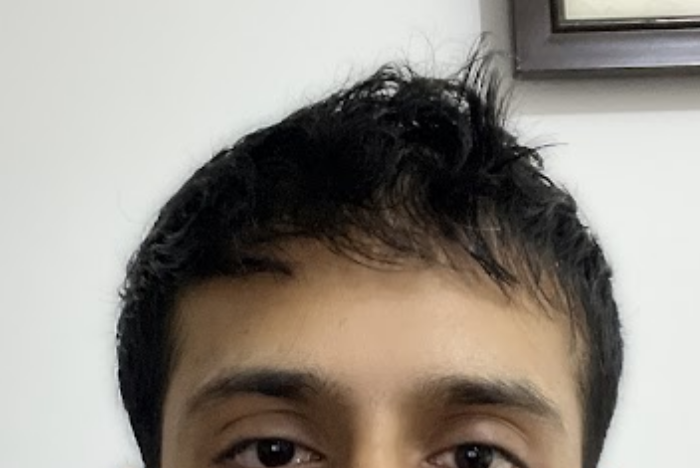
Choosing short haircuts is one of the smartest moves for men with thin hair. The logic is simple: less length means less weight pulling your hair down, which instantly creates the appearance of more volume.
Styles that keep the sides short, often achieved with a clipper, create a sharp contrast with the hair on top. This technique draws the eye upward, making the hair on your scalp look fuller and more prominent. It’s a classic barber trick that works wonders for creating a stronger, more defined silhouette and is one of the best haircuts for managing thinning areas.
My personal go-to has always been a short messy fringe. It’s incredibly effective because you can style the hair forward to cover any gaps or a receding hairline, especially in harsh sunlight where the scalp can become more visible. This hairstyle is forgiving and doesn’t require perfect placement.
I’ve found that a bit of texture and messiness is your best friend, as it creates a dynamic look that distracts from low hair density. It’s a style that looks intentional yet effortless, giving you control over how you present your hair each day.
While the short messy fringe is my favorite, it does require frequent trips to the barber to maintain the ideal length and shape. If you let it grow too long, it loses its structure and can start to look flat.
Other fantastic short options include the textured crop, where the hair is cut with scissors to create layers and movement, or even a classic buzz cut.
A buzz cut is the ultimate low-maintenance option that minimizes the contrast between your hair and scalp, making thinning much less obvious.
According to the American Hair Loss Association, 25% of men with male pattern baldness start seeing signs before age 21, making these short styles a crucial tool for younger men.
The Power of Length: Longer Hairstyles to Conceal Thinning
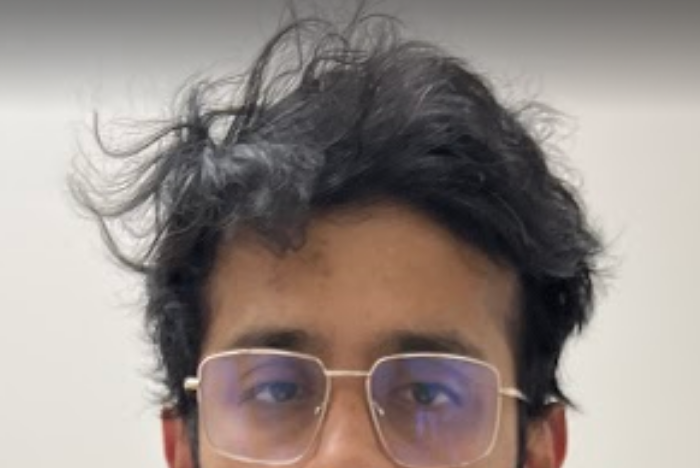
While conventional wisdom often screams “go short,” strategic length can be a powerful ally for men with thinning hair. The key isn’t just growing it out, but using that length to your advantage. Longer hairstyles, particularly those with a fringe or bangs, can be expertly styled to drape over the forehead and conceal a receding hairline.
By directing the hair forward, you can effectively mask thinning spots and create an illusion of greater density where it matters most, giving your hair a much fuller appearance.
I’ve had moments where I just “give up” on meticulous styling, let my hair grow into a long messy fringe, and find that it actually works surprisingly well, especially right after a shower when the hair clumps together naturally.
A medium messy fringe or a “bro flow” can also work, though it’s not always ideal for very thin hair as it can look stringy without the right support. These styles require a bit more effort to pull off successfully, but the payoff can be a stylish, relaxed look that doesn’t scream “I’m trying to hide something.”
For a medium messy fringe or bro flow to truly succeed, you can’t just let gravity do the work. This is where a blow dryer becomes your best friend, helping you direct the hair and build volume at the roots.
Using volumizing products before you dry can give the hairstyle the lift and structure it needs to avoid falling flat. While it takes more effort than a simple short cut, mastering a longer hairstyle can give you a unique and confident look that proves you don’t have to sacrifice length just because of thinning hair in men.
It’s about working with what you have to create the illusion of thicker hair.
Styling Secrets: Essential Grooming Tips for Thin Hair
The right haircut is only half the battle; your daily grooming and styling routine is where you can truly make your hair look thicker. The secret is using the right styling products that add volume without weighing your hair down.
Heavy gels and pomades are the enemy of fine hair, as they tend to clump strands together and expose more of the scalp. Instead, you should build a toolkit of lightweight, volumizing products designed to give you lift, texture, and hold.
Start your routine in the shower with a good volumizing shampoo and conditioner. These products are formulated to gently cleanse your hair and scalp without stripping natural oils, often containing ingredients that plump up the hair shaft.
Once your hair is clean and towel-dried, apply a volumizing hair mousse or a few spritzes of sea salt spray to damp hair. A mousse is fantastic for building body and lift from the roots, while a sea salt spray adds grit and texture, making your hair appear fuller and less uniform.
When it comes to finishing your style, opt for a matte-finish product like hair paste, wax, or clay. These products provide a flexible hold that allows you to style your hair upward and create texture without the greasy shine that can make thin hair look thinner.
A hair dryer is also a non-negotiable tool; blow-drying your hair while lifting it at the roots will lock in volume that lasts all day. According to a survey, 48% of men feel confident with a full head of hair, highlighting just how much impact the right styling can have on your self-esteem and overall hair health.
Beyond the Cut: What to Ask Your Barber for a Fuller Look
Walking into a barbershop and simply asking for a trim won’t cut it when you have thin hair. To get the best results, you need to have a clear, collaborative conversation with your barber. A skilled professional will understand the nuances of cutting fine hair, but you need to guide them toward your goals.
Start by explicitly stating that your main objective is to make your hair look fuller and to camouflage any thinning areas. This sets the stage for a more strategic approach to your haircut.
I learned this lesson the hard way. Finding a barber who understood how to execute a perfect short textured brush-up was easy and affordable back in India, but it became a significant challenge when I moved to Canada.
The experience taught me the value of clear communication. Use specific language: ask for “lots of texture on top,” “short sides to create contrast,” or “a cut that I can style forward to cover my hairline.” Discussing your hair type and face shape will also help the barber tailor the cut perfectly for you.
Don’t be afraid to bring in photos of the hairstyles you like, as this provides a clear visual reference. Key techniques to request include point cutting or slide cutting with scissors on top to create layers and movement, which prevents the hair from lying flat. For the sides, a clipper fade is often best, as it draws attention away from thinning on the crown.
A study found that 61% of men with a slightly receding hairline are sensitive to how their hair affects their self-perception, which makes this conversation with your barber absolutely crucial for your confidence.
Embracing & Managing Thinning: A Holistic Approach to Hair Health
At a certain point in the journey with thinning hair, the focus often shifts. While styling is crucial for appearance, I’ve found that retaining the hair I have is now more important than just styling it.
This means adopting a holistic approach that goes beyond the barber’s chair and addresses the root causes of hair thinning. Understanding the basics of hair health, from your scalp to the strand, is fundamental for long-term management and confidence, especially for older men dealing with this issue.
Genetics plays the largest role in male pattern hair loss, a condition that affects a huge percentage of men. While you can’t change your genes, you can create the best possible environment for hair growth.
This starts with your hair care routine. A healthy scalp is the foundation for healthy hair, so choose a gentle shampoo and nourishing hair conditioner that don’t contain harsh sulfates, which can irritate the scalp and strip hair of its natural oils. Look for products designed to improve hair density and support the hair and scalp.
This proactive mindset is about playing the long game. While a good haircut can mask a thinning crown, focusing on hair health may help slow the process. Male pattern baldness affects up to 80% of men by age 70, and other data shows 34% of men feel old due to hair loss, underscoring the deep emotional impact.
Embracing this reality means taking control where you can—through a proper hair care routine, a healthy lifestyle, and consulting with professionals about hair loss treatments if you choose. It’s about managing what you have with wisdom and care.
Conclusion
Navigating the journey of thinning hair doesn’t mean sacrificing style or confidence. As we’ve explored, from the strategic short messy fringe that hides those tell-tale gaps to the art of using length to create the illusion of volume, there’s a world of possibilities. It’s about understanding your hair, communicating effectively with your barber, and leveraging the right products and techniques to make your hair look thicker and fuller.
Remember, whether you’re embracing a short textured cut or experimenting with a longer, messier style, the goal is to feel good in your own skin. Don’t let the statistics – like the 38% of individuals noticing early signs of balding – dictate your self-perception. Instead, empower yourself with knowledge and the right tools to master the art of styling thin hair.
Your best look is still ahead of you, and it starts with the confidence to own your style, no matter your hair type.
Key Takeways
- Choose short haircuts with shorter sides to create contrast and make the hair on top appear fuller.
- Style a short, messy fringe forward to effectively conceal a receding hairline or thinning spots.
- Apply lightweight volumizing mousse or sea salt spray instead of heavy, scalp-exposing gels.
- Ask your barber for ‘texture on top’ and ‘short sides’ to strategically create a fuller look.

Abhishek Bolar
Certified Hair Care Writer