TL;DR
In my experience, Nizoral started showing results on my fungal acne within 2-4 weeks of consistent use. Most people notice visible improvement in their skin during this timeframe, though results vary from person to person. You’ll need to use it 2-3 times per week initially, then reduce to once weekly for maintenance. The ketoconazole in Nizoral works by targeting the Malassezia yeast that causes fungal acne, but patience is key—it won’t clear overnight.
Disclaimer: I’m sharing my personal journey with hair loss and scalp issues, not medical advice. Always consult your dermatologist before starting any new treatment, especially if you’re unsure whether you have fungal acne or regular acne. What worked for me might not work the same way for you.
What Is Fungal Acne and How Is It Different from Regular Acne?
When I first noticed small, itchy bumps on my forehead, I thought I was dealing with regular acne.
I was wrong.
Fungal acne—technically called Pityrosporum folliculitis—looks like acne but has a completely different cause. Regular acne comes from bacteria, oil, and clogged pores. Fungal acne comes from an overgrowth of Malassezia yeast that naturally lives on your skin.
The bumps are usually uniform in size. They’re often itchy, which regular acne typically isn’t. You’ll find them in clusters on your forehead, chest, or back—areas where you sweat more.
Here’s what frustrated me most: traditional acne treatments made my fungal acne worse. Benzoyl peroxide? Didn’t help. Salicylic acid? Nope. That’s because these products target bacteria, not fungus.
Your skin needs an antifungal treatment instead. That’s where Nizoral comes in.
The yeast thrives in warm, moist environments. If you live in a humid climate, wear tight workout clothes, or have a naturally oily scalp and face, you’re more susceptible. One study found that topical 2% ketoconazole cream significantly improved adult female acne in a double-blind, randomized placebo-controlled trial.
Understanding this difference changed everything for me. Once I realized I wasn’t fighting bacteria but yeast, I could finally choose the right treatment.
How Nizoral Works on Fungal Acne
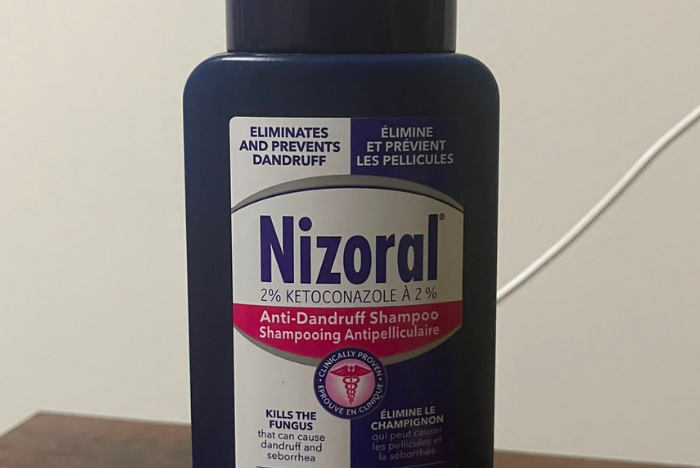
Nizoral is an antifungal shampoo containing ketoconazole as its active ingredient.
Ketoconazole disrupts the fungal cell membrane. It stops the Malassezia yeast from growing and reproducing on your skin. Without the yeast overgrowth, the inflammation and bumps start to fade.
Most people know Nizoral as a dandruff treatment. That’s because dandruff often comes from the same yeast that causes fungal acne. When I learned this connection, everything clicked—my dandruff and thinning hair were related to the same fungal issues affecting my face.
The shampoo formulation works as a topical antifungal on your face too. You’re essentially using a scalp treatment on your skin, which sounds odd but makes perfect sense when you understand the science.
From what I’ve read, ketoconazole also has anti-inflammatory properties. This helps reduce the redness and irritation that come with fungal acne, not just the yeast itself.
A comparative study showed topical ketoconazole 2% provided promising results as monotherapy in acne, comparable to topical retinoid. This gave me confidence that I was on the right track.
The key is consistency. The antifungal needs time to reduce the yeast population on your skin. You won’t see overnight results because you’re rebalancing your skin’s microbiome, not just zapping a few bacteria.
Your dermatologist can determine if ketoconazole is right for your specific situation. Some people need prescription-strength formulations, while others do well with over-the-counter Nizoral shampoo.
My Experience: How Long It Took for Nizoral to Work
I started using Nizoral on my face three times a week.
The first week? Nothing dramatic happened. My bumps were still there, still itchy. I almost gave up, thinking I’d misdiagnosed my problem again.
Week two brought subtle changes. The itching decreased noticeably. The bumps looked less inflamed, though they hadn’t disappeared yet.
By week three, I saw real improvement. About half the bumps had flattened. The clusters on my forehead looked less angry and red.
Week four was the turning point. Most of the fungal acne had cleared. I still had some texture issues, but the itchy, uniform bumps were gone.
Here’s my exact routine: I applied Nizoral to my damp face in the shower. I let it sit for 3-5 minutes while I washed my body. Then I rinsed thoroughly. The waiting period matters—the ketoconazole needs time to penetrate your skin.
It took me just two washes to see dandruff completely disappear from my scalp. My face took longer, probably because facial skin is more sensitive and the yeast overgrowth was more established there.
After a month or two, I reduced to once a week for maintenance. This is crucial—you need different shampoo for other days because Nizoral should be used once a week, not more. Overusing it can dry out your skin and cause irritation.
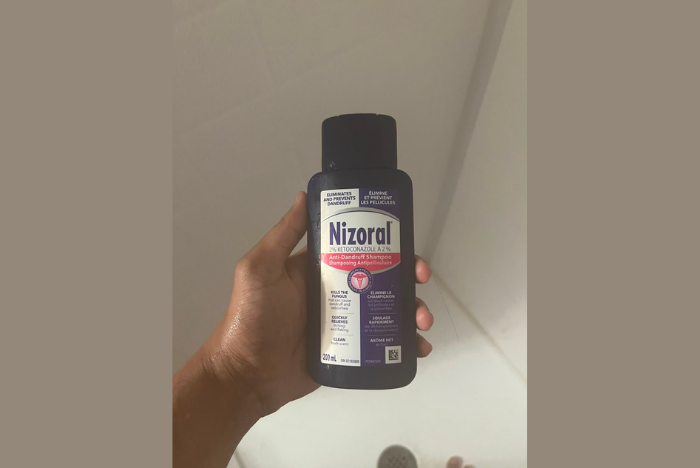
Some days my skin felt tight after using Nizoral. I learned to follow up with a simple, fungal-acne-safe moisturizer. No heavy oils or ingredients that feed Malassezia yeast.
Your results may vary. I’ve read about people seeing improvement in just one week. Others needed six weeks before noticing significant changes.
The timeline depends on how severe your fungal acne is, how consistently you use the treatment, and whether you’re addressing other factors like sweaty workout clothes or using products that feed the yeast.
I’d recommend consulting a healthcare professional if you don’t see any improvement after four weeks. You might need a prescription antifungal or a different approach entirely.
How to Use Nizoral for Fungal Acne
Using Nizoral on your face feels counterintuitive at first.
You’re applying shampoo to your skin, after all.
Start by wetting your face with lukewarm water. Apply a small amount of Nizoral to the affected areas. You don’t need much—a nickel-sized amount covers my entire forehead and cheeks.
Gently massage it into your skin. Don’t scrub hard. Let it sit for 3-5 minutes. This waiting period lets the ketoconazole work.
Rinse thoroughly with lukewarm water. Make sure you remove all the shampoo. Leftover residue can irritate your skin.
Pat your face dry with a clean towel. Don’t rub.
For the first week, I washed my face with Nizoral three times a week. Monday, Wednesday, Friday worked well for me. Clinical trials have examined ketoconazole 2% foam for treating Pityrosporum folliculitis (fungal acne), though most people use the shampoo formulation.
After seeing improvement, I dropped to twice weekly. Then once weekly for maintenance.
Some people use Nizoral as a face mask. They apply it, leave it on for 10 minutes, then rinse. This is based on personal experience—your results may vary. I stuck with the 3-5 minute contact time and got good results.
Don’t use Nizoral more than three times a week on your face. The skin on your face is more delicate than your scalp. Overuse can cause dryness, redness, and irritation—side effects that defeat the purpose.
Follow up with a lightweight, fungal-acne-safe moisturizer. Avoid heavy oils like coconut oil or products with fatty acids that feed Malassezia yeast.
On the days you don’t use Nizoral, cleanse with a gentle, pH-balanced face wash. Your skin needs a break from the antifungal treatment.
If you’re also dealing with scalp issues, the same principles apply. I found that using the best anti-dandruff shampoo for thinning hair helped address both my scalp and facial fungal issues simultaneously.
Watch for side effects. If you experience severe redness, burning, or peeling, stop using Nizoral and consult your dermatologist. Some irritation is normal initially, but severe reactions aren’t.
When to See a Dermatologist
You should see a dermatologist before starting any new treatment.
I know that sounds obvious, but many people (including me initially) self-diagnose and self-treat. Sometimes we’re wrong about what we’re dealing with.
If your “fungal acne” doesn’t improve after four weeks of consistent Nizoral use, book an appointment. You might have regular acne, rosacea, or another skin condition that needs different treatment.
Severe fungal acne might need prescription-strength ketoconazole cream or oral antifungals. Your dermatologist can determine the best approach for your specific situation.
See a professional immediately if you experience severe side effects from Nizoral—intense burning, swelling, or an allergic reaction.
If you’re pregnant, breastfeeding, or taking other medications, consult your doctor before using ketoconazole products. Drug interactions and safety concerns matter.
A dermatologist can also help you figure out how to make thin hair thicker if you’re dealing with both fungal issues and hair concerns like I was.
Related Articles
- First Hair Wash with Nioxin
- What Does It Mean When Your Hair Thinning
- Does Low Vitamin D Cause Hair Thinning
Key Takeaways
- Nizoral typically takes 2-4 weeks to show visible improvement on fungal acne, though individual results vary. In my experience, I noticed significant clearing by week four of consistent use.
- Start with 2-3 applications per week, then reduce to once weekly for maintenance. Overusing Nizoral can dry out and irritate your facial skin, so less is more after initial improvement.
- Let Nizoral sit on your skin for 3-5 minutes before rinsing. The ketoconazole needs contact time to effectively target the Malassezia yeast causing your fungal acne.
- Fungal acne differs from regular acne and requires antifungal treatment, not antibacterial products. If traditional acne treatments aren’t working, you might be dealing with a yeast overgrowth instead.
- Consult a dermatologist if you don’t see improvement after four weeks or experience severe side effects. A healthcare professional can confirm your diagnosis and recommend prescription options if needed.

Abhishek Bolar
Certified Hair Care Writer