TL;DR
Dermatologists most frequently recommend ketoconazole shampoo for men experiencing thinning hair. Ketoconazole is an antifungal ingredient found in over-the-counter products like Nizoral that addresses dandruff and may support scalp health by interfering with DHT, the hormone linked to male pattern baldness. Research suggests ketoconazole can improve hair shaft thickness and reduce shedding when used consistently. Most dermatologists recommend using ketoconazole shampoo once or twice a week as part of a broader hair care routine, not as a standalone solution for hair loss. For actual regrowth, a dermatologist can evaluate your specific situation and recommend treatments beyond shampoo.
If you’ve ever stared at your hairline in the mirror and wondered which shampoo actually does something for thinning hair, you’re not alone. Two-thirds of men experience significant hair loss by age 35, according to the American Hair Loss Association. The shampoo aisle doesn’t make it any easier — every bottle claims to be the answer.
I’ve been dealing with thinning hair since my late twenties. I tried olive oil, rosemary oil, pumpkin seed oil, onion juice, derma rolling — you name it. One shampoo that kept coming up in my research, and that my own dermatologist eventually recommended, was Nizoral. I’ve been using it for over a year now, and it’s become a permanent part of my routine.
Disclaimer: I’m not a doctor or dermatologist. This post shares my personal experience and research. Always consult a qualified healthcare professional before starting any treatment.
Why Dermatologists Keep Recommending Nizoral
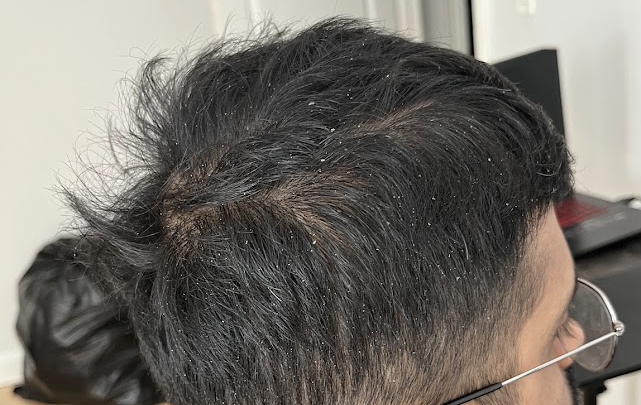
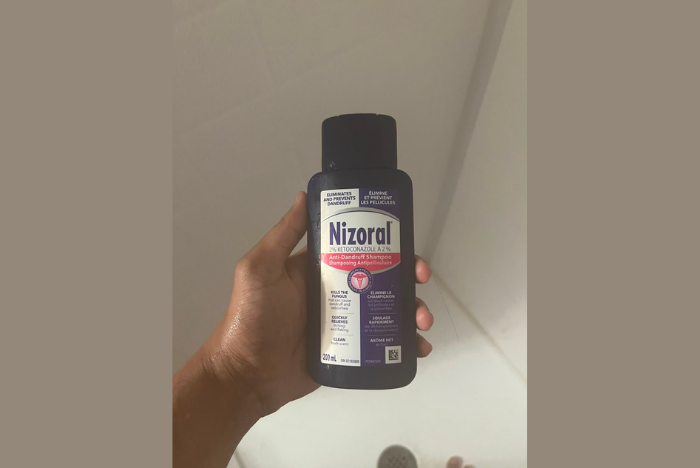
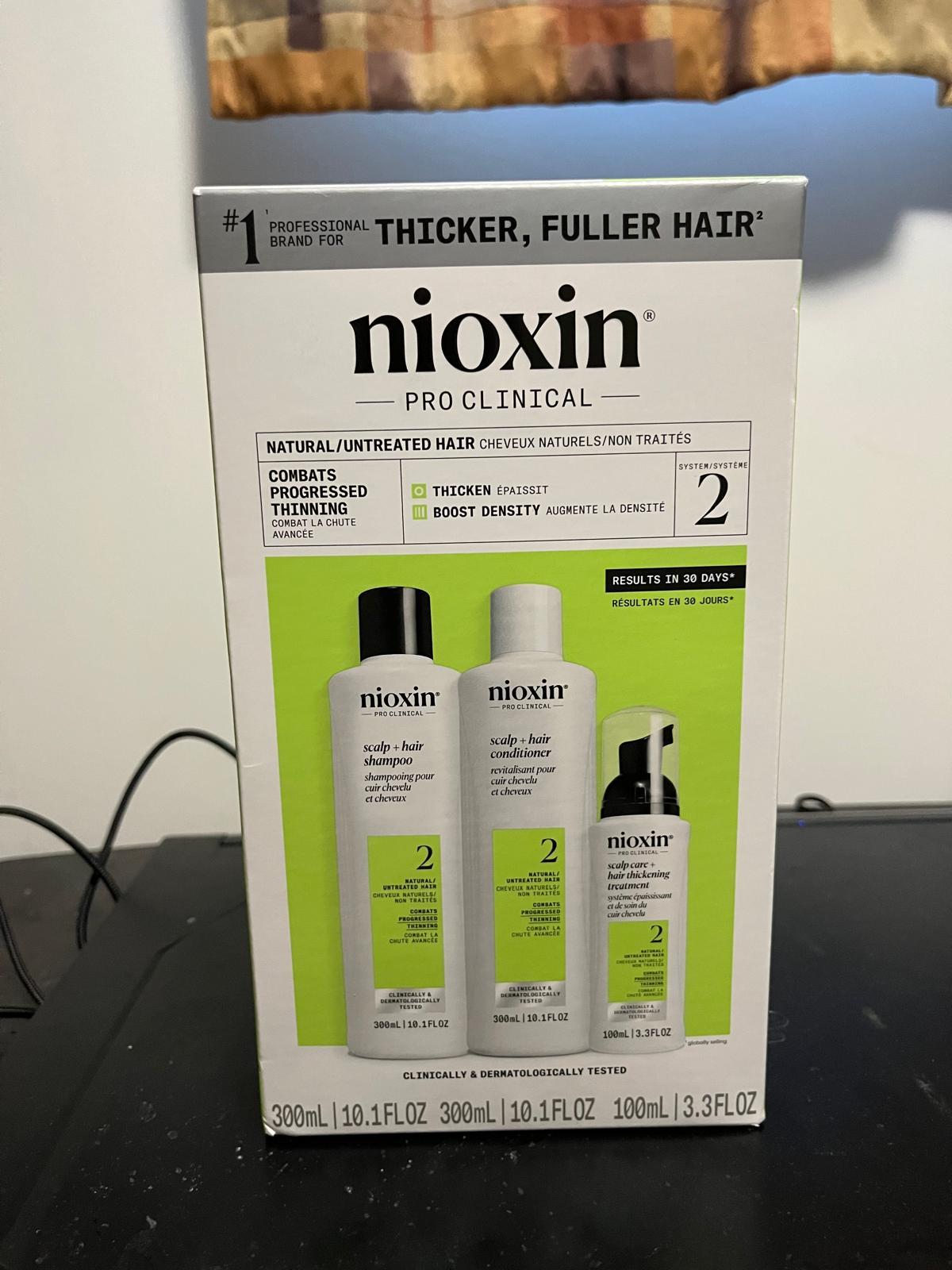
The shampoo that was recommended to me was Nizoral. I have been using it since a year. I use it once a week now. Initially I used to use it for 3 times a week. The main reason I got Nizoral was because of dandruff. Along with Nioxin — which I use on alternate days — I use Nizoral to keep dandruff at bay.
When I started looking into what dermatologists actually recommend for thinning hair, the same answer kept showing up: ketoconazole. Not biotin. Not caffeine. Not saw palmetto. Ketoconazole.
Dermatologist Melissa Piliang, MD from Cleveland Clinic explains that while no shampoo can treat the cause of hair loss, ketoconazole shampoos may help improve hair health. “These kinds of shampoos help prevent and treat inflammation. They also kill a dandruff-causing yeast that lives on the scalp called pityrosporum (Malassezia). Hair loss isn’t just about your hair fibers. It’s about scalp health, too.”
That line stuck with me. Hair loss isn’t just about your hair fibers — it’s about scalp health. I had been so focused on the hair itself that I was ignoring the soil it grows from.
What Ketoconazole Actually Does for Your Scalp
Ketoconazole is an antifungal medication. Dermatologists prescribe it for dandruff, seborrheic dermatitis, and scalp psoriasis. But there’s another component to how it works that makes it interesting for hair thinning.
Ketoconazole has anti-androgenic properties. From what I’ve read, it can interfere with DHT — dihydrotestosterone — the hormone that shrinks hair follicles in male pattern baldness. A systematic review published in Skin appendage disorders examined seven studies on topical ketoconazole for androgenetic alopecia. The researchers found that human studies reported increased hair shaft diameter following ketoconazole use. One study showed a significant increase in the proportion of anagen (active growth phase) hairs.
I’m sharing what I’ve learned about how this works, but I’m not a medical professional. Your doctor can explain the science and whether it’s appropriate for you.
The mechanism matters because most shampoos just clean your hair. Ketoconazole does something different — it addresses the scalp environment. When your scalp has excess Malassezia yeast, it creates inflammation. That inflammation can contribute to hair thinning. Ketoconazole reduces that inflammation.
Dermatologist Mona Mislankar, MD puts it this way in GQ: “Ketoconazole has anti-androgenic effects, which means it can block the effects of hormones such as testosterone via DHT that contribute to hair loss.”
The Research on Ketoconazole and Hair Loss
A 1998 study published in Dermatology compared 2% ketoconazole shampoo to an unmedicated shampoo with and without 2% minoxidil. The results showed that hair density, hair size, and the proportion of anagen follicles improved almost similarly in both the ketoconazole and minoxidil groups. The researchers concluded that ketoconazole may have a significant action upon the course of androgenetic alopecia.
Another study from 2002 compared 1% ketoconazole, 1% piroctone olamine, and 1% zinc pyrithione shampoos in 150 men with telogen effluvium related to androgenic alopecia. After six months, hair shedding decreased by 17.3% in the ketoconazole group. The ketoconazole group also showed a 5.4% increase in mean hair shaft diameter.
A 2019 study in Biomedical Dermatology compared topical 2% ketoconazole to 2% minoxidil in women with pattern hair loss. The ketoconazole group showed a delayed but comparable therapeutic response. Importantly, only 10% of the ketoconazole group reported side effects, compared to 55% in the minoxidil group.
While research suggests ketoconazole may support scalp health, this is not medical advice. Talk to a healthcare professional about your specific situation.
What Other Shampoo Ingredients Dermatologists Mention
Ketoconazole gets the most attention, but dermatologists also point to a few other ingredients worth knowing about.
Caffeine appears in shampoos like Alpecin and DS Laboratories Revita. Some lab studies suggest caffeine may stimulate hair follicles, though more clinical trials are needed. Dr. Gary Linkov, a double board-certified facial plastic surgeon, notes that caffeine “can stimulate the growth cycle, promoting hair elongation and thickening.”
Saw palmetto and pumpkin seed oil are natural DHT blockers that show up in shampoos like R+Co Dallas and Feel Confident. They’re not as potent as prescription treatments, but they may offer some support.
Niacinamide (vitamin B3) nourishes follicles and appears in products like Nioxin Hair Fall Defense Shampoo. Cleveland Clinic recommends looking for moisturizing ingredients like glycerin, argan oil, and jojoba oil as well.
The catch? Dermatologists consistently say that shampoo contact time with your scalp is too short for most ingredients to have a major impact on hair growth. Shampoo is scalp care first. The ingredients help maintain a healthy environment for hair, but they’re not going to regrow hair on their own.
My Nizoral Timeline: How I Use It
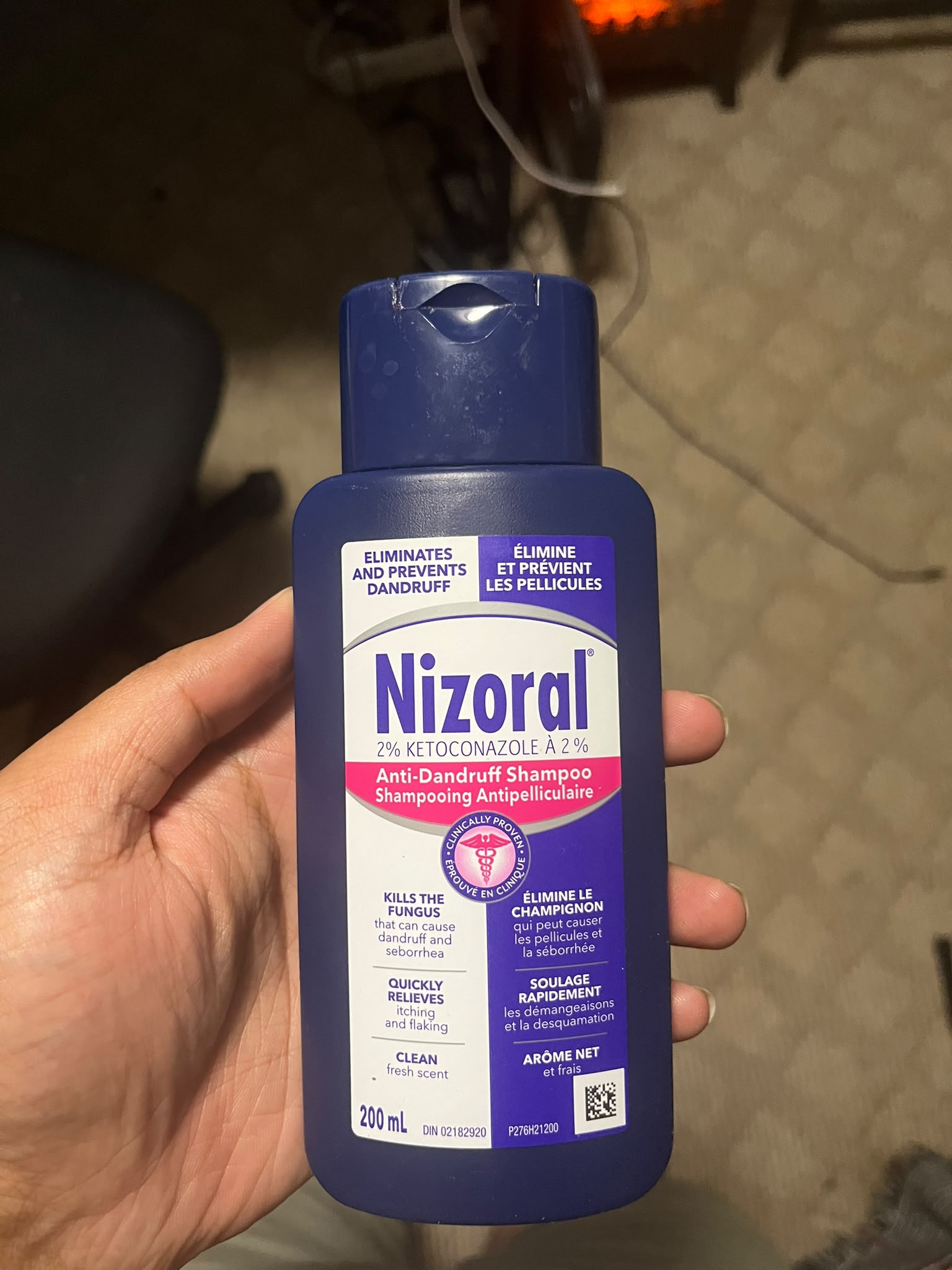
I first bought Nizoral about two years ago because I had serious dandruff issues. Whenever I used to go out it was itching all the time, especially during the summer. I tried applying lime juice before shampooing, and even though it worked temporarily, it wasn’t a permanent fix.
After doing some research and testing a few products, I found Nizoral Anti-Dandruff Shampoo to be the best option. After just two washes, I could notice the flakes disappearing from my scalp.
My Nizoral Timeline: I started using Nizoral three times a week to tackle my dandruff. Within two weeks, the itching and flaking cleared up. Over time, as my scalp improved, I reduced usage to once a week — which is what I maintain now.
This timeline matters because ketoconazole shampoo isn’t something you use every day. dermatologists recommend cycling it — using it two to three times a week initially, then reducing to once a week for maintenance. Using it too often can dry out your hair and scalp.
I use Nizoral once a week, and on the days I don’t use it, I wash with Nioxin. The two serve different purposes: Nizoral handles the dandruff and scalp health, while Nioxin focuses on hair thickness. Together, they cover both angles.
How to Use Ketoconazole Shampoo Correctly
Using ketoconazole shampoo wrong can reduce its effectiveness. Here’s what I’ve learned works best.
Don’t just wash and rinse. The key is contact time. When I use Nizoral, I lather it into my scalp and let it sit for two to three minutes before rinsing. Dermatologist Dr. Sam Ellis, who specializes in hair loss, explains that you “want it to sit on your scalp for a little while. So, I like to make sure I focus it on the roots and massage it there, and then let it sit for 2 to 3 minutes.”
Focus on the scalp, not the hair. Ketoconazole works on your scalp, not your hair strands. I massage it into my scalp with my fingertips, not my nails. This also helps with blood circulation to the follicles.
Always follow with conditioner. Ketoconazole shampoos tend to be drying. I always follow with a conditioner — right now I use Nioxin’s scalp therapy conditioner. This helps counteract the dryness and keeps hair from getting frizzy.
Don’t use it as your only shampoo. Unless you’re actively treating a dandruff breakout, ketoconazole shouldn’t be your everyday shampoo. Once or twice a week is what most dermatologists suggest for maintenance. On other days, use a moisturizing shampoo that won’t strip your scalp.
This is based on my personal experience and what I’ve read. Individual results vary. Consult your doctor before trying any treatment.
Shampoo Ingredients to Avoid When Your Hair Is Thinning
Knowing what to put on your scalp is only half the equation. Knowing what to avoid matters just as much.
Cleveland Clinic’s Dr. Piliang recommends avoiding shampoos with these ingredients:
- Sulfates: These clean your hair by attracting oil and dirt, but they can make hair more prone to breakage and irritate your scalp. For thinning hair, sulfate-free formulas are gentler.
- Isopropyl alcohol: This ingredient dries out your hair and causes irritation. Check the ingredient list — if alcohol is near the top, skip it.
- Parabens: Many people are allergic to these preservatives. They’re not worth the risk when your scalp is already sensitive.
- Triclosan: The FDA banned this chemical in some consumer products in 2016. It can irritate your scalp.
Dr. Hartman, a board-certified dermatologist, adds that you should also avoid harsh chemical treatments, bleaching, and excessive heat while blow-drying. These weaken the hair shaft and lead to increased breakage and further thinning.
If your hair is thinning, the last thing you want is a shampoo that makes the problem worse. Gentle, moisturizing formulas with the right active ingredients are the way to go.
Nizoral vs. Nioxin: What’s the Difference?
People often ask me whether Nizoral or Nioxin is better for thinning hair. In my experience, they’re not really comparable — they serve different purposes.
Nizoral is an anti-dandruff shampoo. Its active ingredient, ketoconazole 2%, targets the fungus that causes dandruff and scalp inflammation. It also has the anti-androgenic properties we talked about. But it makes my hair frizzy, and I can only use it once a week.
Nioxin is a hair thickening system. It comes with a shampoo, conditioner, and scalp treatment. The shampoo cleanses, the conditioner moisturizes, and the treatment is a foam you apply to your scalp. The day I wash with Nioxin, my hair has more volume the next day.
I use both. Nizoral once a week for scalp health and dandruff control. Nioxin twice a week on alternate days for thickness. They complement each other rather than compete.
A board-certified dermatologist can help you figure out which products make sense for your specific situation. What worked for me might not be the right combination for you.
When to See a Dermatologist About Thinning Hair
I spent years trying home remedies before seeing a dermatologist. Looking back, I wish I’d gone sooner.
You should see a dermatologist if:
- Your hair is not growing back after a few months
- You notice sudden or rapid hair loss
- You see patchy spots on your scalp
- Your scalp hurts, itches, or looks red
- You’re not sure what’s causing the thinning
A dermatologist can identify the specific type of hair loss you’re experiencing. They can run tests, check for nutritional deficiencies, and recommend treatments that actually match your situation. The sooner you get a diagnosis, the more options you have.
From what I’ve learned, the most common cause of thinning hair in men is androgenetic alopecia — pattern hair loss. But it can also be triggered by stress, nutritional deficiencies, thyroid problems, or medication side effects. Only a professional can tell you which one it is.
Key Takeaways
- Dermatologists most commonly recommend ketoconazole shampoo (like Nizoral) for thinning hair because it addresses scalp inflammation and may interfere with DHT
- Research shows ketoconazole can reduce hair shedding by 17% and increase hair shaft thickness when used consistently for six months
- Ketoconazole shampoo should be used once or twice a week with 2-3 minutes of contact time on the scalp, always followed by conditioner
- No shampoo alone can regrow hair — it works best as part of a broader routine that may include other treatments recommended by your dermatologist
- See a dermatologist early if you notice thinning, because treatments are most effective before follicles become permanently damaged

Abhishek Bolar
Certified Hair Care Writer