
AI Summary
Yes, low vitamin D can cause hair thinning by disrupting the hair follicle growth cycle. Vitamin D is needed to activate new growth in hair follicles, and one study found over 80% of people with significant hair thinning had low levels. This type of hair loss typically appears as diffuse thinning all over the scalp rather than a distinct bald spot. A blood test from a doctor is the only way to confirm a deficiency and rule out other causes. Treatment involves supplements, sunlight, and dietary changes, but it can take several months to see hair regrowth. If you suspect a deficiency, consult a health professional to get a proper diagnosis and treatment plan.
How I Noticed My Hair Was Thinning (and Maybe You Have, Too)
I won’t sugarcoat it. Noticing more hair in your brush or a wider part can feel scary. You might even start checking the mirror more, wondering why your hair just isn’t as thick as it used to be.
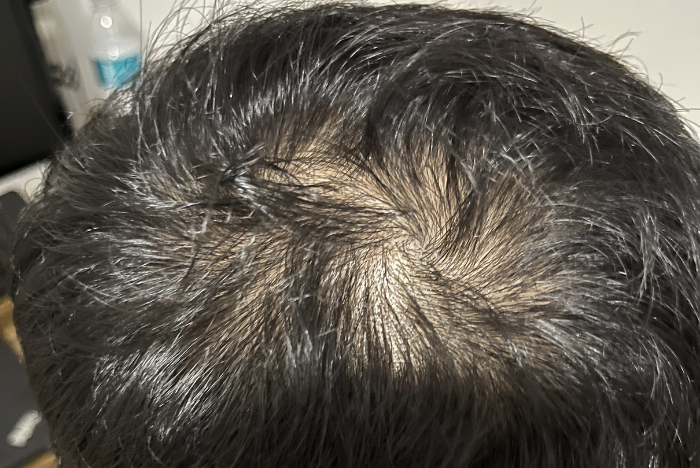
I felt the same. One day, I spotted way too much scalp and freaked out. I get it—you want answers. Is it just stress? Or is something in your body, like a vitamin d deficiency, causing your hair loss?
The Link Between Vitamin D Deficiency and Hair (So What?)
Here’s the straight answer: Yes, a vitamin d deficiency can cause hair loss. That surprised me, too! Vitamin D isn’t just for bones. It plays a big role in hair growth and your hair follicle cycle.
When you don’t have enough, your body can’t “wake up” dormant hair follicles. This means less new hair grows. My doctor pointed out that this isn’t just a theory—studies back it up. For example, in one study , over 80% of people with major hair thinning had low vitamin D levels. That’s pretty wild.
How Does Vitamin D Affect Hair Growth? (Ok, But How?)
Let’s break it down. Your hair grows in cycles—some hairs are growing, some are resting, and some are falling out. Vitamin D is like the starter switch for the growth phase. There’s even something called the vitamin D receptor on your hair follicles. If your vitamin D is low, these switches don’t work right. More hairs get stuck “resting” and never start growing again.
I learned this when my doctor explained why my shedding just wouldn’t stop. Suddenly, it made sense!
What Does Hair Loss from Vitamin D Deficiency Look Like?
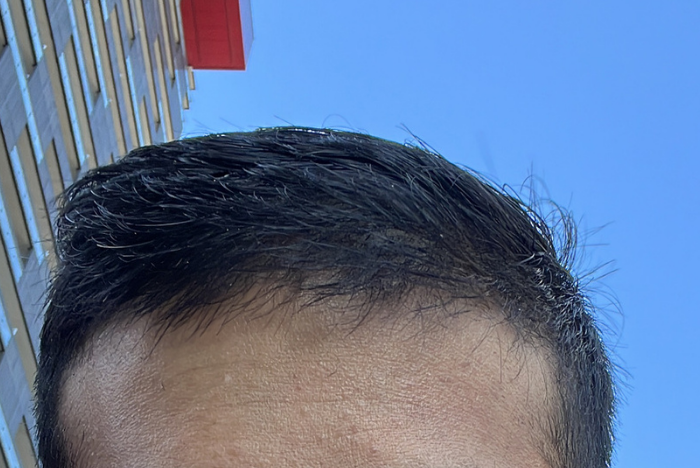
Here’s the weird thing: Hair loss from vitamin d deficiency doesn’t always show up as a bald spot. Instead, your hair looks thin everywhere. Your ponytail might feel scrawny. You see more scalp in bright light. It’s called “diffuse thinning.”
Doctors call this type of hair loss telogen effluvium. It happens when your body is stressed—like from a vitamin deficiency. Studies show over half of patients with this kind of shedding are low on vitamin D. That got my attention.
Other Symptoms of Vitamin D Deficiency (Not Just Hair!)
Tired all the time? Achy bones? Getting sick more often? These can all be symptoms of vitamin d deficiency, too. For me, it was the fatigue. I thought I was just lazy or stressed. Turns out, my blood test said otherwise.
If you’re noticing hair loss and you’re always wiped out, it’s worth checking your vitamin D.
Is It Just Vitamin D? Or Something Else?
I used to live in a dark apartment and barely saw the sun. My hair got thinner, but I didn’t know if it was just low vitamin D or something like patterned hair loss (thanks, genetics). That’s a common worry.
One study found that almost half of patients with patterned hair loss or alopecia areata also had a vitamin d deficiency. So, even if you’ve got genetic hair loss, fixing low vitamin D can help your hair health.
Why You Need a Health Professional (Don’t Guess!)
I know it’s tempting to “self-diagnose.” But the only way to know if vitamin d deficiency is the cause of your hair loss is with a blood test. A doctor can check your serum vitamin D and see if it’s low. They’ll also rule out other things, like iron deficiency or thyroid issues.
This step took out all the guesswork for me. It was a relief.
How to Treat Vitamin D Deficiency and Hair Loss
Once my doctor confirmed my vitamin D was low, the fix was pretty clear: supplements, diet, and sunlight. I started taking vitamin d supplements and tried to get out for a walk whenever the sun was out. I live in Canada—sun is rare in winter! So, supplements became a must.
My doctor said to be careful. Too much vitamin D isn’t good either. Always ask for the right dose.
The Role of Foods and Sunlight
It’s hard to get enough vitamin D from food alone, but you can try. Fatty fish, egg yolks, and fortified foods help a bit. Still, sunlight is the best source. Just 10-20 minutes on your arms and legs a few times a week can boost your levels—but don’t overdo it and risk a burn.
Will Your Hair Grow Back After Vitamin D Deficiency?
Here’s what you really want to know: Will your hair grow back if you fix your vitamin d deficiency? In many cases, yes! When I started treatment, my hair stopped shedding so much. But it wasn’t overnight. Hair grows slow—about half an inch a month.
You need patience! I also tried other things, like Minoxidil and special hair gels, but fixing my vitamin D felt like the missing piece. For some, it’s just one part of the puzzle, especially if you have patterned hair loss.
Tips for Sticking With It (Patience Pays Off)
You won’t see results in a week. It took me months to notice a difference. First, less hair on my pillow. Then, some baby hairs started popping up. Staying consistent with your supplements and habits is key.
The Takeaway: What to Do Next
If you’re battling hair loss, don’t panic. Vitamin d deficiency and hair health are closely linked. But it’s not always the only cause. Get a blood test. Talk to a health professional. Build a plan—supplements, sunlight, good food, maybe even Minoxidil or other therapies.
I wish I’d started sooner. But after fixing my deficiency, my hair felt stronger, and I felt better overall. So, if you’re worried, take the next step. Your hair—and your whole body—will thank you.
Key Takeaways
- Get a blood test from a doctor to confirm a vitamin D deficiency before starting treatment.
- Consult a health professional to rule out other hair loss causes like thyroid or iron issues.
- Treat a confirmed deficiency with prescribed supplements, safe sun exposure, and a balanced diet.
- Remain patient during treatment, as visible hair regrowth can take several months to appear.

Abhishek Bolar
Certified Hair Care Writer