AI Summary
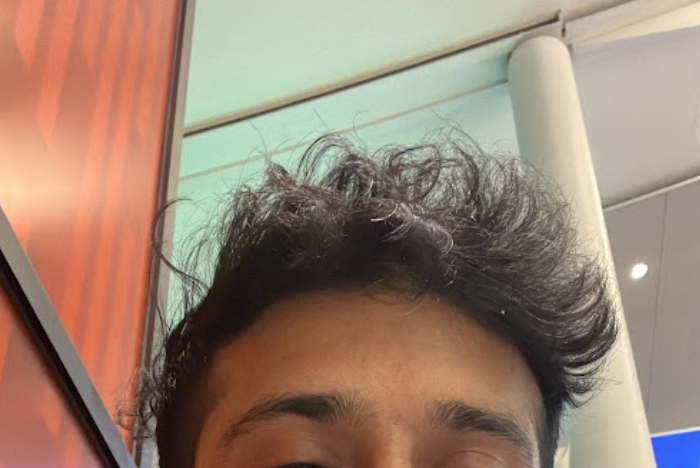
Thinning hair means individual hair strands are becoming finer or less dense, reducing your hair’s overall volume. This is most commonly caused by genetics, with up to 80% of men and 50% of women experiencing pattern hair loss. Other major triggers include hormonal shifts, significant stress, nutritional deficiencies, and certain medical conditions. You can spot it by noticing a wider hair part, a more visible scalp, or a ponytail that feels less full. Regrowth is often possible depending on the cause, with options including topical treatments like Minoxidil and maintaining good scalp health. If you notice sudden thinning or at-home treatments fail, see a doctor for a proper diagnosis to rule out underlying issues.
Hair thinning is tough. It can mess with your confidence and honestly, it just feels unfair.
So, what does it actually mean when your hair is thinning, and how is that any different from just normal hair loss?
Let me break it down for you—along with what causes it, how to spot the signs, and what you can do about it.
I started worrying about this years ago, especially after a barber in India looked at my scalp and told me I’d go bald someday. That freaked me out and sent me on a deep dive for answers. Here’s what I’ve learned, both from research and my own journey
Thinning Hair vs. Hair Loss: What’s the Difference?
Let’s clear something up: “thinning hair” and “hair loss” aren’t the same thing, even if people use them like they are.
Shedding some hair every day is totally normal. We all lose about 50 to 100 hairs a day—it’s just part of how your hair grows and renews itself. Most of the time, you won’t even notice because new hair keeps growing in.
But when things get out of whack, that’s when you start to notice your hair looking flat or your scalp showing through in ways it didn’t before.
Thinning hair is when the hairs themselves get finer, or you have fewer hairs in a certain spot. It doesn’t always mean you’re losing more hair, just that what’s left isn’t as thick or full.
Hair loss (the medical word is “alopecia”) is when you actually lose strands at the root—sometimes suddenly, sometimes slowly.
Think of it like this: thinning is about how dense your hair looks, while hair loss is about the actual number of hairs.
This isn’t rare at all. One study across nine countries found that about 24% of men and 29% of women reported having thin hair. That feeling of losing something that’s a big part of your identity? I get it. It’s tough to accept, but understanding what’s happening is the first step.
Why Might Your Hair Be Thinning? (Spoiler: It’s Not Always Genetics)
Sure, genetics are a big player. If pattern baldness runs in your family, you’re more likely to deal with it, too. But that’s not the whole story. There are tons of reasons your hair can thin out.
The most common is something called androgenetic alopecia (aka pattern hair loss). This one is mostly genetic.
Up to 80% of men and 50% of women will have it by age 70. For white guys, as many as half have noticeable hair loss by age 50.
But there’s more. Hormones can mess with your hair—think pregnancy, menopause, PCOS, or thyroid problems.
Some medical issues, like autoimmune diseases (alopecia areata is a big one), can make your immune system attack your hair. If you’re low on iron, zinc, or biotin, that can hurt your hair, too. And don’t underestimate stress!
If you’ve been under a lot of pressure, it can send your hair into “shedding mode”
Your habits matter as well. Some meds—even ones for acne or blood pressure—can trigger hair loss. If you do tight ponytails or braids a lot, you might get traction alopecia, which is hair loss from pulling.
How to Spot Thinning Hair: Signs to Watch For
The earlier you catch it, the better your chances of fixing it. Here’s what to look out for:
More hair in your brush, shower, or on your pillow than usual. It’s normal to lose some, but a sudden uptick is a warning sign.
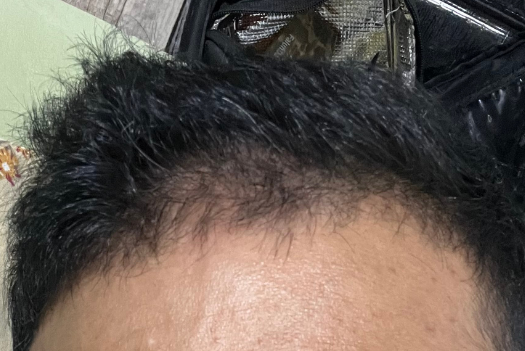
A scalp that’s more visible, especially in certain spots. Does your part look wider? Can you see more scalp at your crown? That’s thinning.
For guys: Watch for an “M” shape at the hairline or a bald spot on the crown.
For women: Thinning is usually more spread out—look for a part that’s getting wider.
Your ponytail feels thinner. (Yep, this is a real thing.)
Your hair feels finer or breaks more easily.
Round bald patches (if you have alopecia areata).
One person on Reddit put it perfectly: “Just yesterday, I noticed a lot more scalp showing near my hairline. I’d never seen that before.” If you’re seeing these signs, it’s time to act.
Can Thinning Hair Grow Back? (And What Really Works)
This is what everyone wants to know: can your hair bounce back? A lot of the time, yes—but it depends on why it’s thinning.
I’ve tried it all. When my hair started thinning in 2018, I went the natural route first. I used olive oil, pumpkin seed oil, onion juice, rosemary oil—massaging my scalp in hopes of better blood flow. It made my hair feel nicer, but it didn’t bring back what I’d already lost.
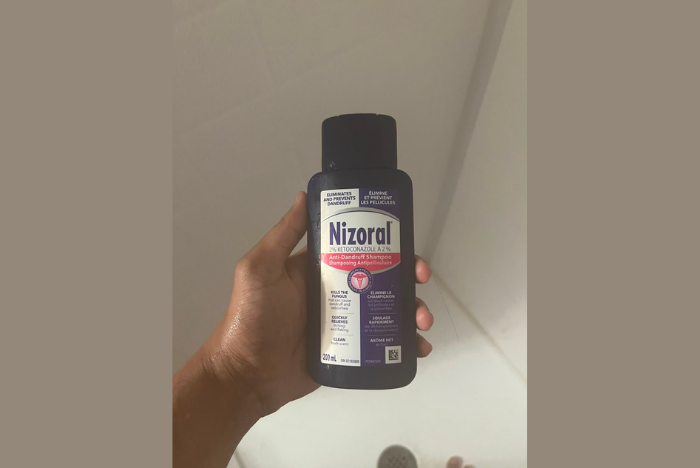
Keeping your scalp healthy is key. I struggled with dandruff, and finding the right shampoo changed everything. Nizoral Anti-Dandruff Shampoo was a game-changer for me—just two washes and the flakes were gone, which made my scalp a better place for hair to grow.
I also tried derma rolling (a 0.5mm roller, once a week). It gave me some results, but nothing dramatic.
Lots of people try over-the-counter treatments like Minoxidil. I hesitated at first—my cousin warned me about side effects, and a friend said it only slowed things down, not stopped them.
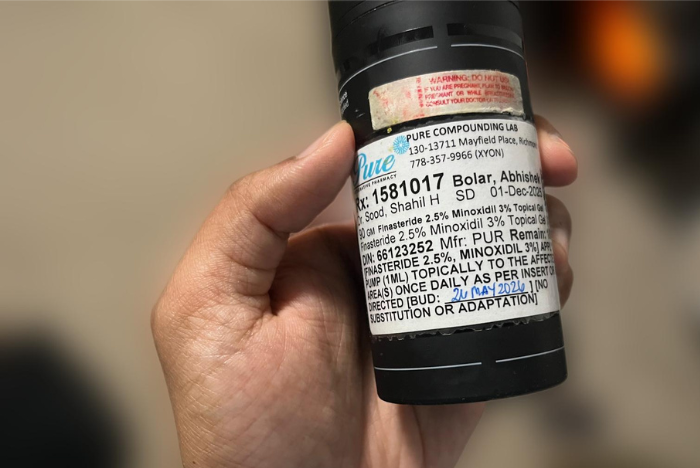
But honestly, for genetic hair loss, you often need a DHT blocker. I was nervous about pills but found a topical gel called Xyon. After almost a year, I got real regrowth in the front hair I thought was gone for good.
Bottom line: not all treatments work the same for everyone. Sometimes, maintaining what you have is a win.
When to See a Doctor (And Why It Matters)
It’s easy to go down the rabbit hole of trying every product on the shelf, but sometimes you need a pro.
If your hair loss is sudden or getting worse quickly, see a doctor or dermatologist. Same if you’ve got other symptoms like an itchy, red, or flaky scalp—there could be something more serious going on.
If you think hormones, thyroid, or a nutrition problem is behind it, a doctor can help figure it out. Or if you’ve tried stuff for months and nothing’s working, it’s time for a professional check.
At your appointment, the doctor will look at your scalp, ask about family history, your diet, stress, and meds. They might run blood tests to check for vitamin shortages.
The right diagnosis is everything—don’t settle for a doctor who barely looks at your scalp. You deserve a full evaluation.
Living With Thinning Hair: How to Cope and Take Care of Your Hair
This isn’t just a physical thing—it’s emotional, too. Thinning hair can make you feel anxious, frustrated, even embarrassed. Someone described it as “feeling mentally drained.” I know that feeling.
Be patient with treatments. Results take time, and sometimes you have to try a few things before you see a difference.
Meanwhile, treat your hair gently. Skip harsh chemicals, limit heat styling, and avoid tight styles that pull on your roots. Try volumizing mousse or hair fibers if you want a fuller look while you figure things out.
Don’t forget: your hair health is tied to your whole health. Eat well, manage stress, and care for your body. Sometimes, just being kind to yourself helps the most.
Final Thoughts: You Can Take Charge of Your Hair Health
Thinning hair is hard, but you’re not powerless. Learn the difference between normal shedding and real thinning. Figure out what might be causing it—genetics, hormones, stress, nutrition, or something else. Notice the signs early, and don’t wait to take action.
Treatments take patience, and what works for someone else might not work for you. If you’re stuck, talk to a doctor. Stick with your plan, and remember: you’re not alone. There are real solutions and a whole community out there rooting for you. You’ve got this.
Key Takeaways
- Monitor for early signs of thinning, such as a wider part or increased hair shedding in your brush.
- See a doctor for a proper diagnosis if hair loss is sudden or home treatments fail after months.
- Prioritize scalp health by using targeted shampoos to create a better environment for hair growth.
- Avoid tight hairstyles and excessive heat styling to prevent breakage and traction-related hair loss.

Abhishek Bolar
Certified Hair Care Writer