
TL;DR
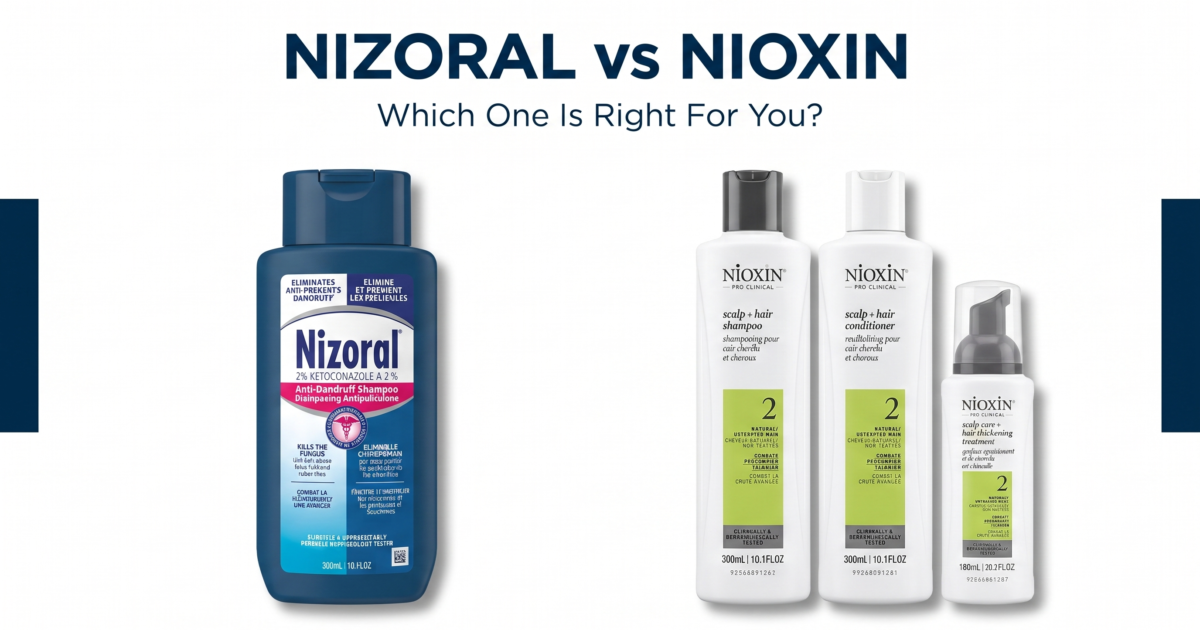
Is Nizoral better than Nioxin? No—they serve different purposes. Nizoral targets dandruff and scalp issues using ketoconazole, while Nioxin focuses on hair thickness and density. I use both because they work on different problems. Nizoral cleared my dandruff but made my hair frizzy, so I use it once weekly. Nioxin improved my hair thickness noticeably, and I use it twice weekly alongside my hair regrowth routine.
I get it. You’re standing in the hair care aisle (or scrolling online) trying to figure out which shampoo actually works. Your hair is thinning. Your scalp itches. You’ve heard about Nizoral and Nioxin, and now you’re wondering which one is worth your money.
Here’s the truth: I asked myself the same question two years ago.
I spent months researching, then I bought both. I used them. I tracked what happened. And what I found surprised me—they’re not competitors. They’re tools for different jobs.
Let me walk you through what I learned.
What Is Nizoral and What Does It Do?
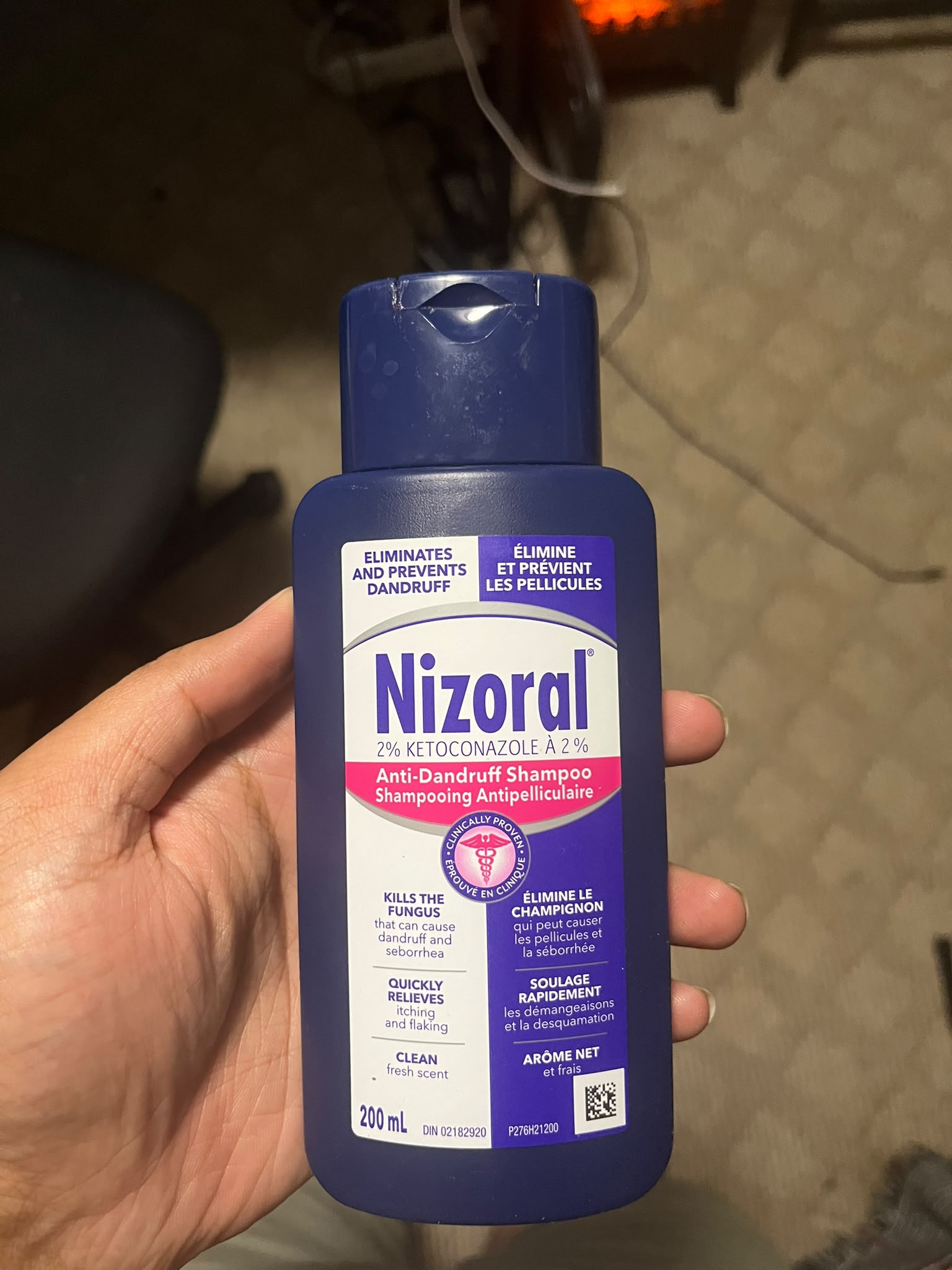
Nizoral is an anti-dandruff shampoo. Its active ingredient is ketoconazole, an antifungal compound. Dermatologists recommend it because it works on scalp problems caused by fungal growth and inflammation.
Here’s what ketoconazole does: it reduces the fungus on your scalp that causes itching, flaking, and dandruff. When your scalp is inflamed, your hair follicles struggle. Less inflammation means a healthier scalp environment.
Research suggests that ketoconazole may do more than just clear dandruff. One study showed that ketoconazole improved hair density in ways similar to minoxidil—a well-known hair regrowth ingredient. So Nizoral isn’t just cosmetic. It’s addressing scalp health at a deeper level.
The numbers back this up. Dandruff affects 17-50% of the population, depending on your age and climate. Men are hit harder—20.7% of men deal with dandruff compared to 12.8% of women. If you’re dealing with hair loss, dandruff makes it worse.
So what does Nizoral actually do for you?
It clears flaking. It reduces itching. It calms inflammation. It creates a healthier scalp environment where hair can grow.
What Is Nioxin and What Does It Do?
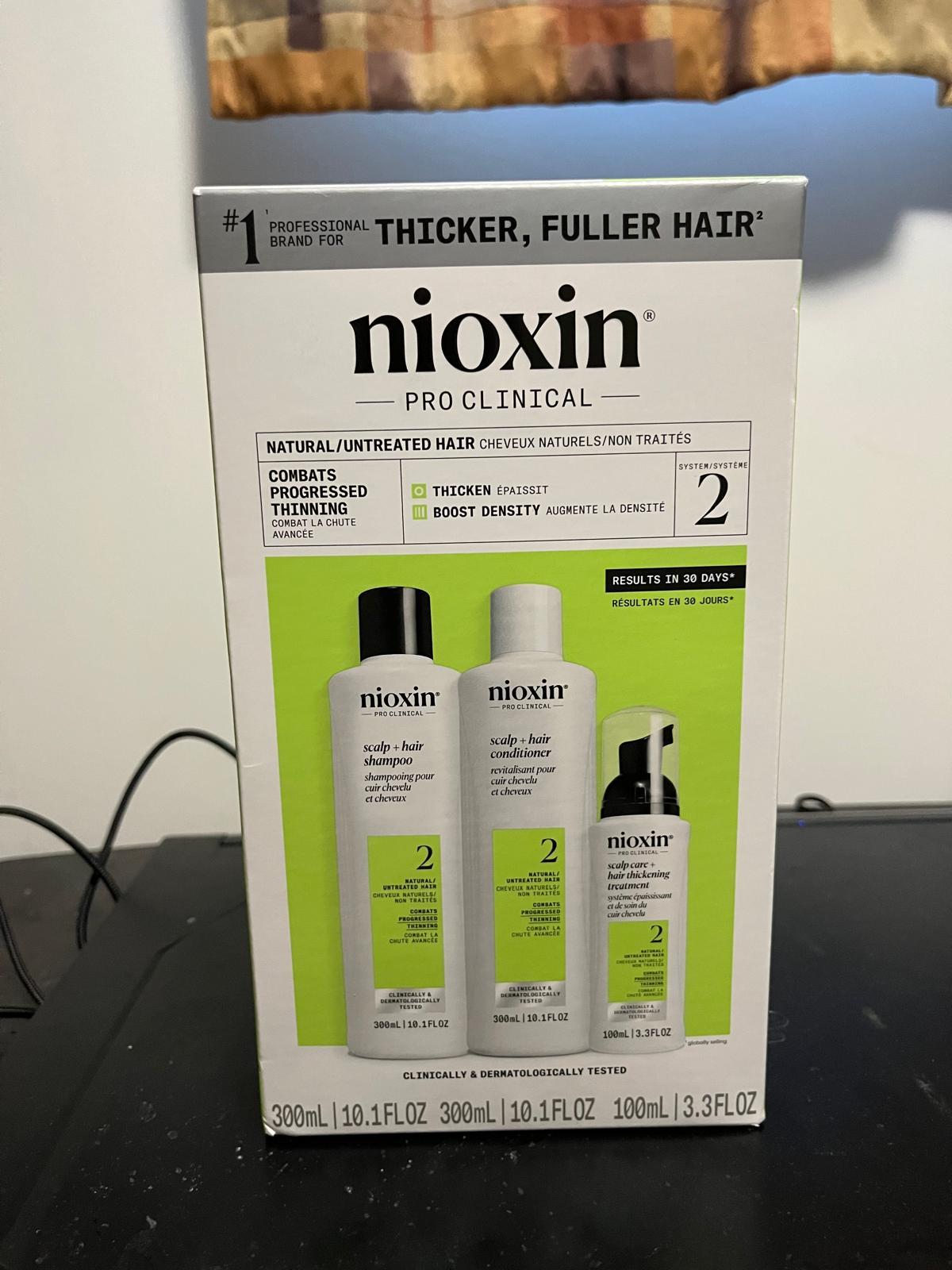
Nioxin is different. It’s a system, not just a shampoo.
The Nioxin Scalp + Hair Thickening System Kit comes with three products: a shampoo, a conditioner, and a scalp treatment serum. They’re designed to work together.
The goal isn’t to treat dandruff or fungal infections. The goal is to make your hair thicker and denser. Nioxin targets thinning hair directly.
How? The system includes ingredients meant to improve scalp circulation and nourish hair follicles. When you use all three products together, you’re supposed to see thicker hair strands and more volume. The serum is the key—you apply it to your scalp between washes to deliver active ingredients directly to your follicles.
I bought my Nioxin kit on August 1, 2026. From day one, the difference was noticeable. But I wasn’t using it alone.
Nizoral vs Nioxin: Key Differences
These two products are solving different problems. Here’s the breakdown:
Nizoral:
- Targets dandruff and scalp fungal issues
- Uses ketoconazole as the active ingredient
- Works as a standalone shampoo
- You don’t use it daily
- Best for: scalp health and inflammation
Nioxin:
- Targets hair thickness and density
- Uses a system approach (shampoo + conditioner + serum)
- Designed for daily or regular use
- Requires commitment to all three products
- Best for: thinning hair and volume
The anti-dandruff shampoo market is worth 4.8billionin2025andisprojectedtoreach4.8billionin2025andisprojectedtoreach7.6 billion by 2034. That growth shows how many people are dealing with scalp issues. But the hair thickening market is separate—people buying Nioxin are solving a different problem than people buying Nizoral.
Here’s what matters: If your scalp is inflamed and flaking, Nizoral addresses that. If your hair is thinning and you want it thicker, Nioxin addresses that.
They’re not competing. They’re complementary.
My Personal Experience Using Both
Let me be honest about what actually happened when I used these products.
My Nizoral experience:
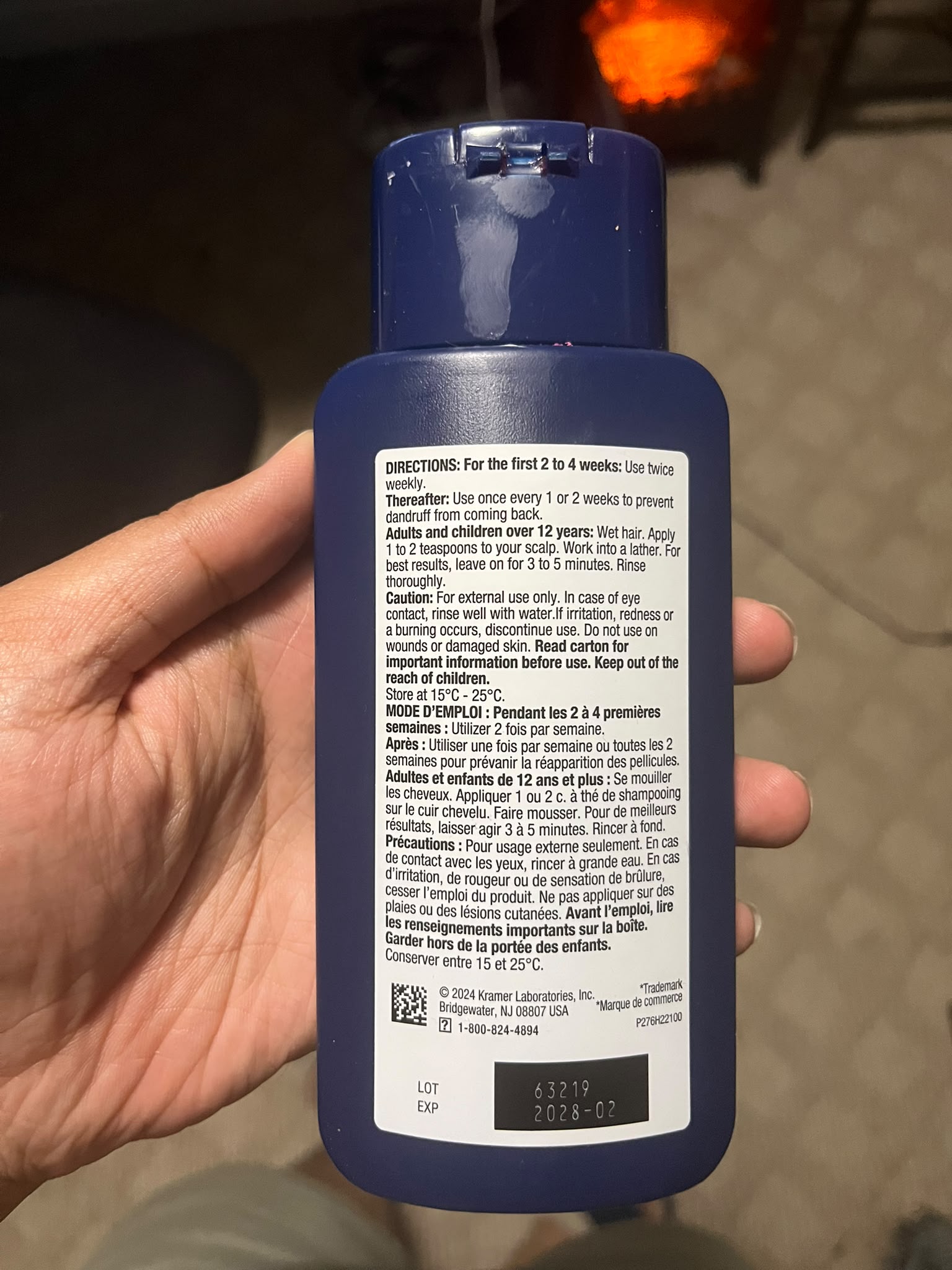
I first bought Nizoral about two years ago because I had serious dandruff issues. My scalp was itchy. I had visible flaking. I started using it three times a week. Within two weeks, the itching stopped. The flaking cleared up. My scalp felt clean and calm.
Over time, as my scalp improved, I reduced usage to once a week—which is what I maintain now.
But here’s the catch: Nizoral made my hair frizzy. The ketoconazole was strong enough to strip my scalp, which meant my hair didn’t have enough natural oils to stay smooth. It felt dry. It looked dull on days I used it.
The trade-off: Clear scalp, but compromised hair quality.
My Nioxin experience:
Two years after starting Nizoral, I bought my Nioxin kit on August 1, 2026. I wanted to address hair thickness specifically. I use Nioxin twice a week. I use the shampoo, the conditioner, and—this is important—I apply the serum to my scalp every other day.
The results came fast. By the next day after washing with Nioxin, my hair felt thicker. Not just thicker—noticeably fuller. When I ran my fingers through it, I could feel the difference. My hair had body. It had volume.
I’m also using Xyon hair gel, which contains minoxidil and finasteride—both ingredients meant for hair regrowth. Nioxin works well alongside that routine. The system supports the regrowth process by improving hair thickness while the topical gel works on stimulating new growth.
I shampoo my hair on alternate days because of the Xyon gel routine. On Nioxin days, my hair looks noticeably better the next morning.
The trade-off: I have to commit to using all three products consistently. But the results are worth it.
Can You Use Nizoral and Nioxin Together?
I don’t use them together on the same day. Here’s how I use them:
- Once a week: Nizoral shampoo (for scalp health)
- Twice a week: Nioxin shampoo + conditioner + serum (for hair thickness)
- Every other day: Xyon topical gel on scalp (for hair regrowth)
I started with Nizoral first to clear my dandruff. Then I added Nioxin later to improve thickness. They serve different purposes in my routine.
Why this combination makes sense:
Nizoral handles scalp health. It keeps inflammation and fungal issues under control. Nioxin handles hair thickness. It nourishes follicles and improves density. Xyon provides the hair regrowth stimulus.
Together, they address three different aspects of hair health: scalp condition, hair thickness, and hair regrowth.
But here’s what matters: consult your doctor before combining any hair loss treatments or shampoos. If you have scalp conditions, sensitive skin, or take medications, your situation might be different.
Which One Should You Choose?
The answer depends on your specific problem.
Choose Nizoral if:
- Your scalp itches constantly
- You see visible flaking or dandruff
- Your scalp feels inflamed or irritated
- You want to treat a fungal scalp condition
- You’re looking for the best anti-dandruff shampoo for thinning hair
Choose Nioxin if:
- Your hair is visibly thinning
- You want thicker, fuller-looking hair
- You’re willing to use a three-product system consistently
- You want to support hair regrowth efforts
- You’re interested in how to make thin hair thicker
Choose both if:
- You have both scalp issues AND thinning hair
- You want to address multiple aspects of hair health
- You’re committed to a structured routine
Here’s the reality: most people with thinning hair also deal with scalp issues. Inflammation and fungal growth are common. So using both isn’t unusual—it’s practical.
If you’re just starting, I’d recommend beginning with whichever problem bothers you most. If your scalp itches and flakes, start with Nizoral. If your hair is thin and you want volume, start with Nioxin. You can add the other later.
Key Takeaways
- Nizoral and Nioxin solve different problems: Nizoral clears dandruff and scalp inflammation using ketoconazole, while Nioxin improves hair thickness through a three-product system.
- Nizoral works quickly for scalp issues: Once-weekly use cleared my dandruff and itching within two weeks, but it made my hair frizzy and can’t be used daily.
- Nioxin delivers noticeable thickness: I saw thicker, fuller hair the day after using the complete system, and results improved when combined with topical hair regrowth treatments.
- They serve different purposes in your routine: I started with Nizoral two years ago for dandruff, then added Nioxin recently for thickness. I use Nizoral once weekly and Nioxin twice weekly on different days.
- Dandruff affects millions: 17-50% of people deal with dandruff, and men are affected more than women—making scalp care important for anyone with thinning hair.
- Neither product is “better”—they’re different tools: Choosing between them depends on whether you’re treating scalp problems or trying to thicken existing hair.
- Consistency matters with Nioxin: The three-product system requires regular use to see results, but the investment pays off in visible hair thickness.
- Consult your doctor before combining treatments: If you’re using hair loss medications or have scalp conditions, talk to your dermatologist about using both products together.
- Your scalp health affects hair growth: A calm, healthy scalp created by Nizoral provides a better environment for hair thickening products like Nioxin to work.
- Results depend on your specific situation: My experience with both products reflects my routine, scalp type, and hair condition—yours may differ, so track what works for you.