TL;DR
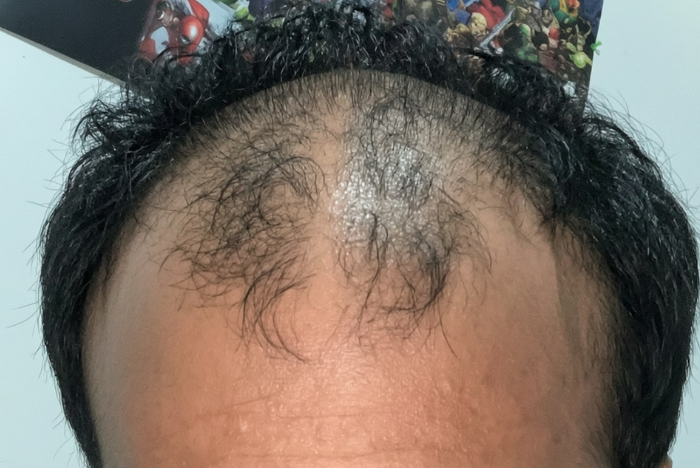
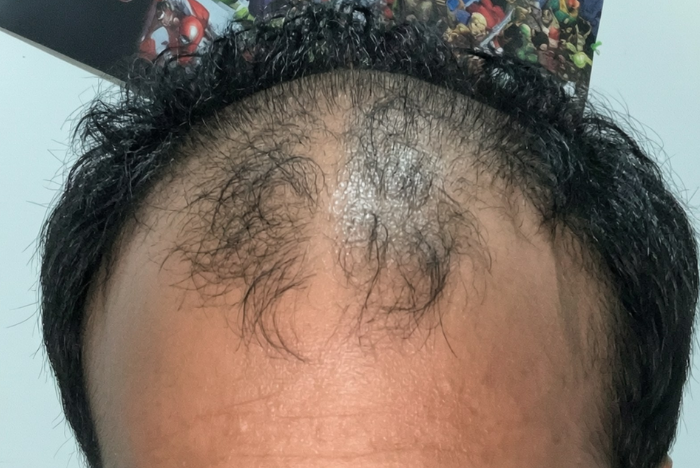
Thinning hair happens because of genetics, hormonal changes, nutritional deficiencies, stress, or medical conditions like thyroid disease and alopecia areata. In my case, genetics played the biggest role. I tried changing my diet, taking supplements, and using natural oils before finding a treatment that actually worked for me. This blog post covers the main causes of hair thinning, what I went through, and what’s helping me now.
The Main Causes of Thinning Hair
When I first noticed my hair getting thinner, I wanted to know why. Was it something I was doing? Something I was eating? Or was it just genetics catching up with me? After years of research and personal experience, here’s what I’ve learned about the main causes of hair thinning.
Genetics (Androgenetic Alopecia)
The most common cause of hair thinning worldwide is androgenetic alopecia. In men, it’s called male pattern hair loss. Women get female pattern hair loss. According to the American Academy of Dermatology, this condition happens when you inherit genes that cause your hair follicles to shrink and eventually stop growing hair. The shrinking can start as early as your teens, but it usually begins later in life.
In my case, I started noticing thinning in my late twenties. My barber in India used to look at my scalp and tell me I’d eventually go bald. That kind of terrified me. Looking back, I think genetics was the main driver, even though I tried to blame everything else first.
Hormonal Changes and DHT
Hormones play a big role in hair thinning. Dihydrotestosterone (DHT) is a hormone derived from testosterone that can shrink hair follicles over time. According to Cleveland Clinic, hormonal changes during pregnancy, menopause, or from conditions like polycystic ovary syndrome (PCOS) can trigger hair thinning in women. For men, DHT is often the main culprit behind male pattern baldness.
When I started losing hair, I didn’t understand the hormonal connection. I thought it was just about age. But learning about DHT helped me understand why certain treatments target the hormonal side of hair loss.
Nutritional Deficiencies
Your hair needs specific nutrients to grow strong and thick. Iron, folic acid, zinc, biotin, and protein all support healthy hair growth. A Healthline article notes that not getting enough of these nutrients can contribute to thinning hair. Vitamin D deficiency is another factor that researchers have linked to hair loss.
Related: Does Low Vitamin D Cause Hair Thinning?
I tried addressing this head-on. I started taking multivitamins, biotin, and iron supplements. I also changed my diet to include more veggies and protein with every meal. The results were slow, and I wasn’t sure what was actually helping. But I figured nutrition couldn’t hurt, so I kept at it.
Stress and Telogen Effluvium
Chronic stress can push hair follicles into a resting phase called telogen effluvium. According to Healthline, stress triggers hormones like cortisol that can disrupt your hair growth cycle. When this happens, more hairs fall out than usual, and new hair doesn’t grow in to replace them.
I’ve had stressful periods in my life, and I did notice more hair in the shower drain during those times. The good news is that telogen effluvium is usually temporary. Once the stress passes, hair often grows back within 6 to 9 months.
Medical Conditions and Medications
Several medical conditions can cause hair thinning. Thyroid disease, autoimmune disorders like alopecia areata, and scalp infections can all affect hair growth. According to the AAD, alopecia areata develops when the immune system attacks hair follicles, causing hair to fall out in patches.
Medications can also trigger hair loss. Chemotherapy is the most well-known example, but blood pressure medicines, gout medicines, and high doses of vitamin A can also cause thinning. If you’re on medication and noticing hair loss, talk to your doctor about it.
Lifestyle Factors
How you treat your hair matters too. Tight hairstyles that pull on your hair can cause traction alopecia over time. According to Cleveland Clinic, chemical treatments like color, perms, and relaxers can damage hair follicles. Using harsh hair products and heated styling tools can also contribute to breakage and thinning.
How I Figured Out What Was Causing My Hair Loss
I started noticing my hair thinning back in 2018. I always had thick hair, so seeing it get thinner was tough. I know it’s pretty normal for hair to thin in your late twenties, but I couldn’t just watch it happen without trying something.
My first move was olive oil. I applied it every other day for three months. My hair felt better—thicker, with improved texture. It wasn’t a miracle, but I was happy with the results for a while.
Then I saw an Instagram reel about pumpkin seed oil. Turns out, pumpkin seed oil is a natural DHT blocker, so I started mixing it with olive oil. I was super intentional about how I applied it—really massaging it into my scalp with my fingertips to help with blood flow.
I also tried onion juice. I applied it to my scalp and even drank a little every morning. The idea was to improve scalp circulation and encourage growth. Basically, I threw the kitchen sink at my hair: onion juice, pumpkin seed oil, olive oil—anything that might help.
In 2021, things got more real. I started seeing actual gaps in my hair and worrying about male pattern baldness. I read about minoxidil and finasteride, but the potential side effects scared me off. Instead, I leaned into rosemary oil, jojoba oil, and eventually derma rolling. I stuck with that routine for about a year and saw some improvement, but nothing dramatic.
The derma roller journey was its own adventure. I settled on a $25 roller from Amazon with 0.5mm needles—supposedly enough to stimulate the scalp without going overboard. I used it once a week to give my scalp time to heal.
What the Research Says About Hair Thinning
According to Cleveland Clinic, more than 50% of females will experience noticeable hair loss at some point. Female pattern hair loss alone affects about 30 million people in the United States. That’s a lot of people dealing with the same thing I was.
The research also shows that catching hair loss early makes a big difference. Treatment options work better when you start them before significant thinning occurs. That’s why understanding the causes matters—it helps you take action sooner.
I found it helpful to learn that hair goes through three cycles: the anagen phase (growing), the catagen phase (transition), and the telogen phase (resting). When something disrupts this cycle—whether it’s genetics, stress, or nutrition—hair thinning happens.
What surprised me most was how many factors can contribute to hair loss. It’s rarely just one thing. For me, it was probably a mix of genetics, living in a basement with low vitamin D, and maybe some stress. Your situation might be completely different, which is why seeing a dermatologist can help you figure out what’s actually going on.
Related: What Does It Mean When Your Hair Is Thinning?
What’s Actually Working for Me Now
In 2025, I met a hair stylist who asked about my diet and suggested hair cream, serum, and supplements with iron, biotin, and vitamin C. I gave everything a shot for a couple of months, but honestly, I didn’t see much difference.
That was my breaking point. I decided to try something new. I’d always known about minoxidil and finasteride, but only the oral forms. I finally learned about topical gels and creams, which are supposed to be safer. After some research, I found Xyon hair gel and decided to give it a shot.
At first, I used gloves to apply it because I was still worried about side effects. But that got old fast, so I started using my hands. Eventually, a bald spot showed up and my hair loss sped up, which was honestly a little scary. Even though rosemary oil and derma rolling had helped me maintain what hair I had, they just couldn’t stop the baldness.
After a lot of hesitation, I finally tried the topical gel. I’ve been using it for almost a year now, and it’s been working pretty well for me. I also added Nioxin Scalp + Hair Thickening System Kit to my routine. I use Nioxin twice a week and Nizoral once a week for dandruff. The combination has made a noticeable difference.
My diet is different now too. I eat veggies and a lot of protein with every meal. I massage my scalp twice or thrice a week with a hair massager, which helps with blood circulation. I still haven’t achieved 100% thick hair, but I’m getting there compared to how it was before.
I personally believe that rather than thinking too much about the causes, just look for solutions. Start by changing your diet and then look for products that can make your hair thicker. I also use a hair thickening shampoo, conditioner, and a hair thickening treatment two times a week. It kind of facilitates and supports the topical gel I use. So I do my bit to make sure my hair stays thick.
Key Takeaways
- Genetics is the most common cause of hair thinning worldwide, but nutritional deficiencies, stress, and medical conditions can also play a role
- Catching hair loss early gives you more treatment options and better results
- Diet changes, supplements, and scalp massages can support hair health, but they may not be enough on their own for genetic hair loss
- Topical treatments like minoxidil and finasteride have worked for me, but everyone’s different—talk to your doctor about what’s right for you
- A combination approach (treatment + diet + scalp care) has given me the best results so far

Abhishek Bolar
Certified Hair Care Writer