TL;DR
Improving the health of thinning men’s hair requires a combination of proper nutrition, a consistent hair care routine, and the right treatments. Eating nutrient-dense foods like pumpkin seeds, sardines, spinach, and eggs supplies the vitamins and minerals your hair follicles need to grow stronger. Using thickening shampoos like Nioxin and topical treatments such as minoxidil and finasteride can help slow thinning and support regrowth. Scalp massage and blood flow stimulation add another layer of support. Start early, stay consistent, and talk to a dermatologist about what makes sense for your situation.
I first noticed my hair thinning back in 2018. Up until then, I always had pretty thick hair. Seeing it get thinner was tough. I know it’s pretty normal for hair to thin out in your late twenties, but I just couldn’t sit by and watch it happen without at least giving something a try. That’s when I started researching what foods, products, and habits might actually help.
If you’re reading this, you probably know that feeling. You catch your reflection under bad lighting, or someone makes a comment about your hairline, and something clicks. You’re not alone. According to the American Hair Loss Association, by age 35, approximately two-thirds of American men experience some degree of noticeable hair loss. By age 50, roughly 85% have significantly thinning hair. Those numbers are not abstractions. They represent the lived experience of the majority of men.
This blog post is about what I’ve personally done to improve the health of my thinning hair. It’s not medical advice. It’s one guy’s journey through trial, error, and eventually finding a routine that works.
Why Thinning Hair Hits Different for Men
Before I get into what actually helped, I want to talk about what hair loss does to your head. Not your scalp. Your mind.
A multinational study surveying 1,536 men across Europe found that 62% of men experiencing hair loss agreed it can affect their self-esteem. Over 70% reported hair to be an important feature of their image. Concern about losing personal attractiveness affected 43%. Fear of going bald affected 42%. These are not small minorities. They represent the majority of affected men.
I remember when I was going for haircuts in India, the barber used to look at my scalp and thin hair and speculate that I would eventually grow bald. That kind of terrified me. And the day came where my thin hair was quite visible. I had to do something about it.
The emotional side of hair loss is real. Research from INEEDMOREHAIR.com analyzed 41 peer-reviewed studies involving 7,995 patients and found that hair loss causes measurable psychological harm. The impairment scores matched what researchers document in conditions like eczema and psoriasis. Yet fewer than 10% of affected men ever seek help.
You’re not vain for caring about your hair. You’re human.
Nutrients That Actually Support Thinning Hair
When I first started trying to fix my hair, I threw the kitchen sink at it. Olive oil, onion juice, rosemary oil, pumpkin seed oil, anything I could find on forums. Some of it helped a little. But the biggest shift came when I changed what I put inside my body, not just on top of it.
Pumpkin Seeds: My go-to Nutrient Source
Pumpkin seeds are, in my opinion, the most important food to include if you’re dealing with thinning hair. They contain omega fatty acids and zinc, both of which play a role in hair health. I eat them regularly and also apply pumpkin seed oil directly to my scalp. From what I’ve read, pumpkin seed oil is considered a natural DHT blocker, which may help with hair thickness.
You can find pumpkin seeds at most grocery stores. I snack on them raw or toss them into salads. For the oil, I massage it into my scalp with my fingertips to boost blood flow, not just slap it on.
Eggs: Four a Day
I eat at least four eggs a day. Eggs are a great source of protein and biotin, two essential nutrients for hair growth. Hair follicles are mostly made of protein, so a lack of protein may cause hair loss. Biotin is essential for the production of keratin, the protein your hair is made of.
I scramble them, boil them, whatever works. The point is consistency. One study I came across in Healthline’s nutrition research confirmed that eggs also provide zinc, selenium, and other hair-healthy nutrients.
Sardines and Spinach
I personally consume sardines and try to add spinach to my diet as much as possible. Sardines are fatty fish, and fatty fish are excellent sources of omega-3 fatty acids, which may support hair growth. They’re also packed with protein, selenium, vitamin D3, and B vitamins.
Spinach delivers vitamin A, vitamin C, iron, and folate. Iron helps red blood cells carry oxygen throughout the body to fuel growth and repair. Iron deficiency may cause hair loss, and I learned that lesson the hard way when a blood test showed my levels were low.
This is based on my personal experience and what I’ve read. Individual results vary. Consult your doctor before trying any treatment.
Other Foods Worth Adding
From the research I’ve done, these foods also support hair health:
- Nuts (almonds, walnuts) — rich in vitamin E, B vitamins, and zinc
- Seeds (sunflower, flaxseed) — provide vitamin E, omega-3 fatty acids
- Sweet potatoes — beta-carotene converts to vitamin A, which affects sebum production
- Oysters — one of the best food sources of zinc, which supports the hair growth and repair cycle
- Beans — plant-based protein plus iron, biotin, and folate
The key is not any single superfood. It’s eating a balanced diet with enough protein, iron, zinc, and essential fatty acids every day.
The Hair Care Products I Use
Nutrition is the foundation. But I also needed products that could support what I was doing from the inside. After years of trial and error, here’s what stuck.
Nioxin System Kit: My Thickening Shampoo
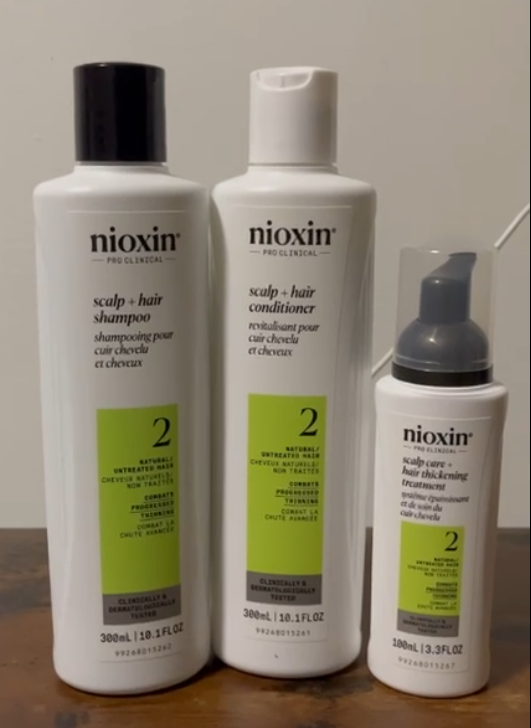
I bought the Nioxin Scalp and Hair Thickening System Kit in August 2026 to improve the thickness of my hair. I was already using Xyon gel for regrowth, but I needed something that could support it. The kit comes with a shampoo, a conditioner, and a hair thickening treatment.
The first time I used it, I shampooed for about a minute, conditioned for two minutes, then applied the foam treatment across my scalp. Immediately, I couldn’t see much of a difference. But the next day, my hair looked like it had more volume. It was subtle, but it was there.
I use Nioxin twice a week. I also use Nizoral once a week for dandruff. They serve different purposes — Nizoral clears flakes, Nioxin helps with thickness. I alternate them because I shampoo my hair on alternate days anyway, since I apply Xyon gel on alternate days.
Nizoral for Scalp Health
Two years before Nioxin, I started using Nizoral Anti-Dandruff Shampoo for serious dandruff issues. Within two washes, the flakes disappeared. I started using it three times a week, then reduced to once a week as my scalp improved. It contains ketoconazole, which I found out is an ingredient that binds to your hair’s natural protein to address dandruff.
Healthy scalp equals healthier hair. If your scalp is inflamed or flaky, your follicles aren’t operating at their best.
This is based on my personal experience. Your results may vary. Always seek professional medical advice.
Topical Treatments: My Experience with Xyon Gel
This is where things got more serious for me.
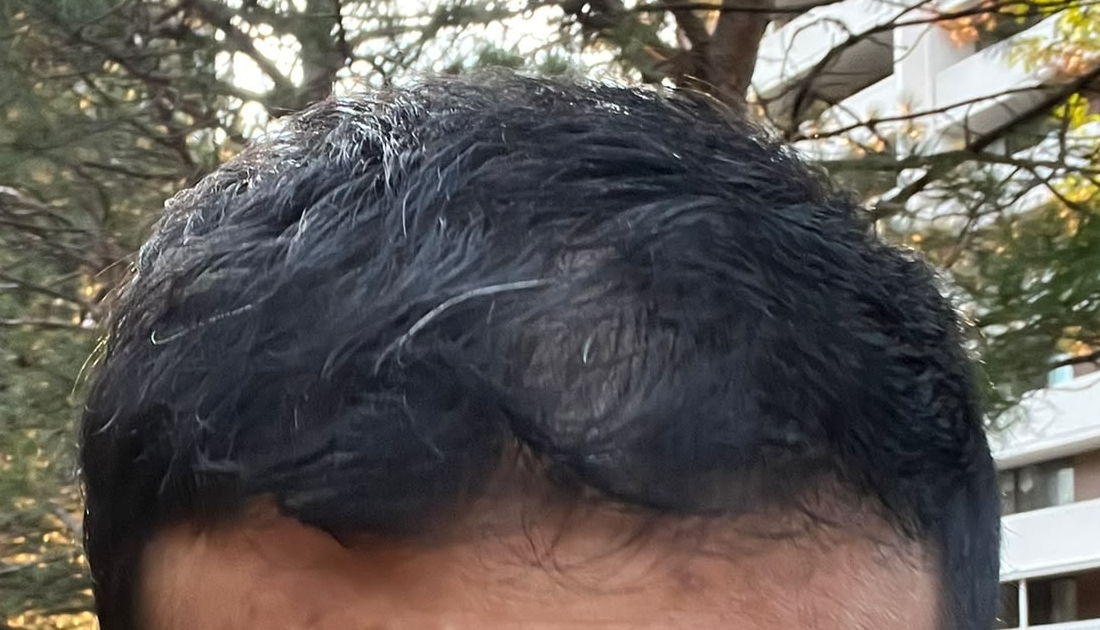
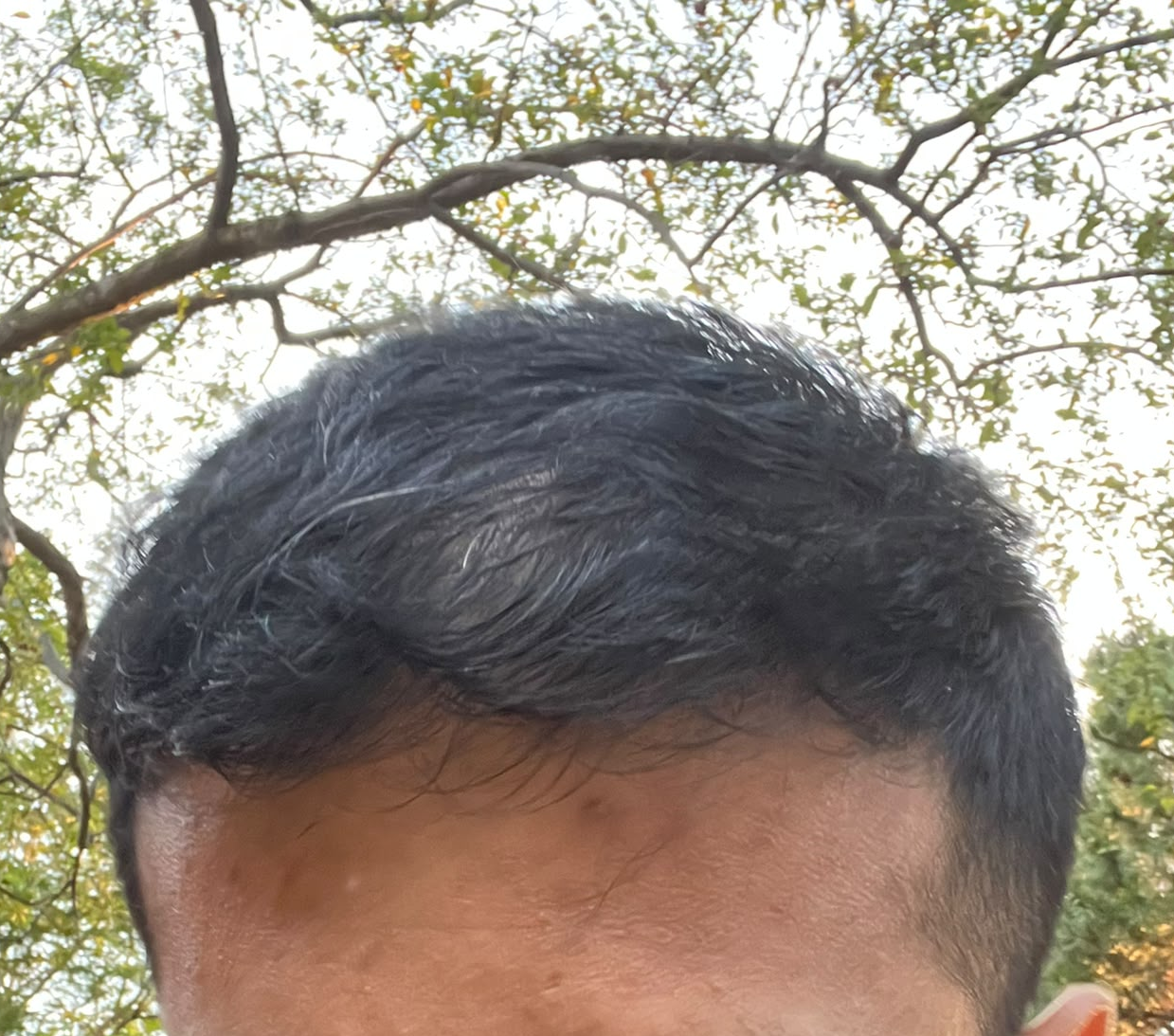
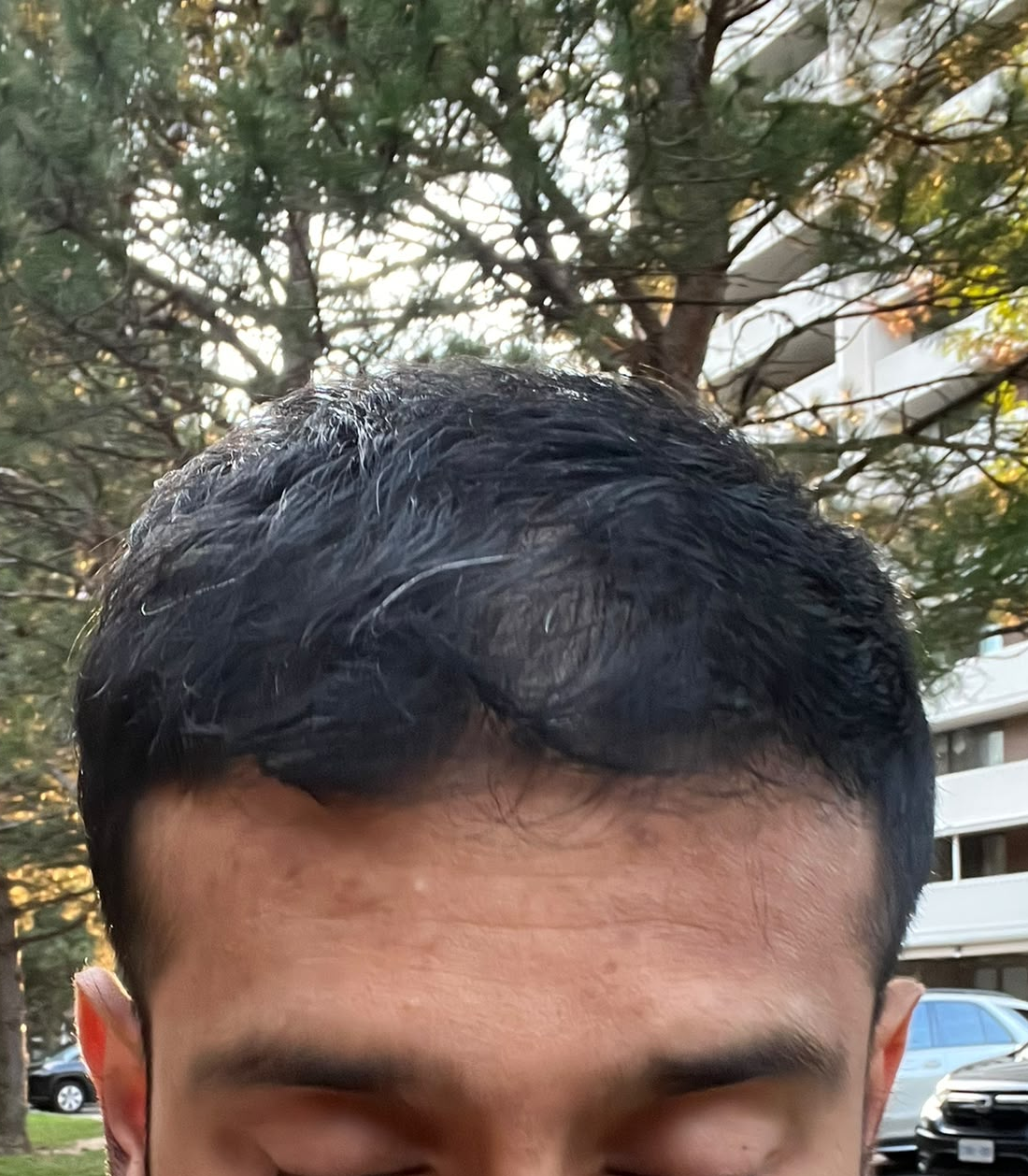
For years, I tried natural options — rosemary oil, jojoba oil, derma rolling. They helped me maintain what I had, but they couldn’t stop the baldness. I was starting to see actual gaps in my hair and began worrying about male pattern baldness.
After a lot of hesitation, I finally tried Xyon gel. It’s a topical gel that contains minoxidil and finasteride. I apply it on alternate days, particularly on my crown and the front region of my scalp. At first, I used gloves to apply it. I was worried about side effects. But that got old fast, so I started using my hands.
I’ve been using it for almost a year now. It helped me not only thicken my hair but also regrow hair. I had lost hair completely in the front, and after using it for a year or so, my hair in the front not only grew back but also a little thicker than before.
From what I’ve read, minoxidil appears to be widely used for improving blood flow to the scalp, while finasteride addresses the hormonal component of hair loss. My dermatologist recommended combining both for my situation. You can read more about how minoxidil works and the benefits of finasteride on this blog.
Why I Chose Topical Over Oral
I’d always known about minoxidil and finasteride, but only the oral forms. I was scared off by side effects like heart palpitations and other health concerns that my cousin warned me about. When I discovered topical gels and creams, which are supposed to be safer, it felt like a middle ground.
That said, what’s right for you depends on your situation. Talk to your doctor about whether a topical approach makes sense for your type of hair loss.
This is based on my personal experience and what I’ve read. Individual results vary. Consult your doctor before trying any treatment.
Scalp Massage and Blood Flow
Beyond products and food, I massage my scalp two or three times a week with a hair massager. This helps with blood circulation to the follicles. I also use a derma roller once a week. I settled on 0.5mm needle length since that’s supposed to be just enough to stimulate the scalp and boost blood flow without going overboard.
Scalp massage is one of the cheapest and most accessible things you can do. From what I’ve read, regularly massaging the scalp stimulates circulation, which increases blood flow to the hair follicles and improves nutrient delivery. You can also read about whether dry scalp causes thinning hair for more on scalp health.
I don’t expect scalp massage alone to regrow my hair. But combined with the right nutrients and products, it supports the overall environment your follicles need to thrive.
When to See a Dermatologist
I spent years trying home remedies before I finally talked to a professional. Looking back, I wish I’d done it sooner. A board-certified dermatologist can diagnose the cause of your hair loss and recommend appropriate treatment.
See a doctor if:
- You’re losing more than 100 hairs per day
- You notice sudden patchy hair loss
- Your hair loss is causing you stress or disrupting your daily life
- Home treatments aren’t showing results after a few months
Your dermatologist can determine what’s right for your situation. Don’t wait as long as I did.
How to Make Thinning Hair Look Thicker
While you’re working on improving hair health from the inside out, there are styling tricks that can help your hair look thicker right now. Short hairstyles tend to work better than long ones for thinning hair. A buzz cut or a close crop can actually make thinning less noticeable.
Avoid tight hairstyles that pull on your hair. Use volumizing products sparingly. And consider a hairstyle that works with your hair texture, not against it.
I wrote more about this in my post on how to make thin hair thicker.
What Causes Thinning Hair in the First Place
Hair thinning is caused by aging, genetics, or nutritional deficiencies. There are many reasons. In my case, it was probably genetics. I did try to address the nutritional deficiency aspect by taking multivitamins, biotin, iron, and eating a rich diet.
According to INEEDMOREHAIR.com, androgenetic alopecia accounts for over 95% of hair loss in men. It’s driven by genetics and a hormone called DHT, which shrinks hair follicles over time until they stop producing hair.
But here’s the thing I learned: rather than obsessing over the causes, focus on solutions. Start by changing your diet, then look for products that can support your hair. You can read more about what causes thinning hair in my detailed post on the topic.
Frequently Asked Questions
How long does it take to see results from hair thickening products?
In my experience, Nioxin showed subtle improvement the very next day after my first wash. But for real, lasting results, give any product at least two to three months. Hair grows in cycles and is often dormant for months, so anything you do that improves hair growth often takes time before you notice a difference.
Is Nizoral better than Nioxin?
In my experience, they both serve their own purpose. Nizoral does a really good job with clearing dandruff, but it makes my hair frizzy and I can only use it once a week. Nioxin helps in making my hair thick — the day I wash it, the next day my hair looks even better. I use both: Nizoral once a week and Nioxin twice a week.
Can diet alone fix thinning hair?
Diet is a piece of the puzzle, not the whole solution. Changing my diet and adding more protein, iron, and zinc helped, but it wasn’t enough on its own. I needed products like Nioxin and Xyon gel to see real improvement. Talk to your doctor about whether nutritional changes might help your specific situation.
When does men’s hair typically start thinning?
My hair started thinning in my late twenties, around age 28 or 29. Research shows that approximately 25% of men with male pattern baldness begin losing hair before age 21, and by age 35, about 66% of men experience hair loss. It varies widely from person to person.
Should I use minoxidil and finasteride together?
My dermatologist recommended a combination approach for my situation. From what I’ve read, using both tends to produce better results than either alone. But this is a medical decision. Talk to your doctor about whether this approach makes sense for you.
Key Takeaways
- Eat for your hair. Pumpkin seeds, eggs, sardines, and spinach supply the protein, zinc, iron, and omega-3 fatty acids your follicles need to grow stronger. Consistency matters more than any single superfood.
- Use products that support your routine. A thickening shampoo like Nioxin, paired with scalp health products like Nizoral, creates a foundation for healthier-looking hair. Give products two to three months before judging results.
- Consider topical treatments with your doctor’s guidance. Minoxidil and finasteride, whether separate or combined in a gel, are widely studied options. Talk to your dermatologist about what’s right for your situation.
- Stimulate your scalp. Regular scalp massage and derma rolling increase blood flow to your follicles. It won’t regrow hair alone, but it supports the environment your hair needs.
- Don’t wait. The sooner you act, the more you have to work with. Treatments are far better at maintaining existing hair than recovering what is already gone.

Abhishek Bolar
Certified Hair Care Writer