AI Summary
Frontal hair thinning is one of the most common patterns of hair loss in men, often linked to androgenetic alopecia where hair follicles at the hairline and temples shrink progressively. Early intervention with consistent care—whether natural remedies, topical treatments, or lifestyle changes—gives you the best shot at regrowth before those follicles shut down for good. Waiting too long makes recovery significantly harder.
Disclaimer: I’m not a doctor or dermatologist. This post shares my personal experience and research. Always consult a qualified healthcare professional before starting any treatment.
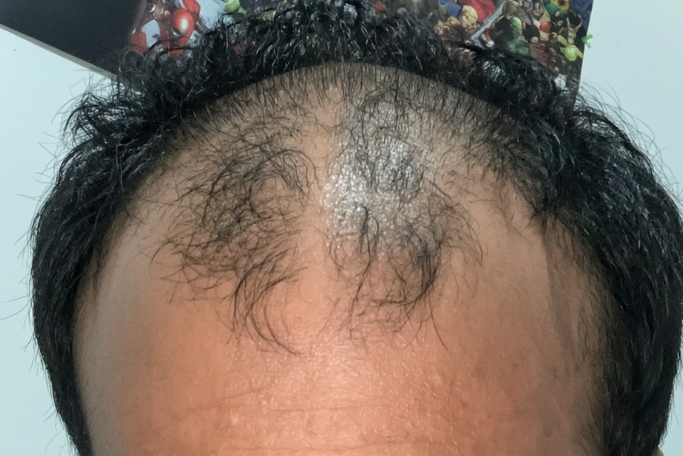
My hair thinning started specifically from the front. I noticed it before anyone else did—or at least I thought I did. Gaps forming right at my hairline. The mirror became a source of anxiety every morning.
If you’ve ever stared at your reflection and wondered whether your hairline is receding, you’re not alone. Frontal hair thinning hits different because it’s the first thing people see. It’s the part of you the world looks at. And watching it disappear feels like losing a piece of yourself.
What Causes Frontal Hair Thinning
The most common cause of frontal hair thinning is androgenetic alopecia—what most people call male pattern baldness. It happens when hair follicles on the front and temples become sensitive to a hormone called DHT (dihydrotestosterone). Over time, DHT shrinks those follicles until they stop producing hair altogether.
But androgenetic alopecia isn’t the only reason. Nutritional deficiencies, stress, thyroid issues, and even living in low-sunlight environments can contribute. In my case, I wasn’t sure what was causing it. Could be genetics, could be my diet, could be the fact that I was living in a basement apartment with barely any sunlight. The truth is, it was probably a combination of things.
From what I’ve read, understanding what causes thinning hair is the first step toward doing something about it. Without knowing the root cause, you’re basically throwing darts in the dark.
My Early Attempts at Fighting Frontal Thinning
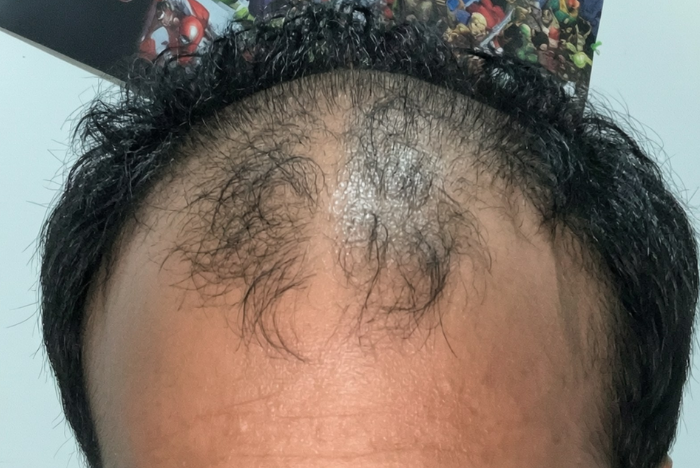
When I first noticed the thinning—around age 28 or 29—I started with the basics. Olive oil every other day. Pumpkin seed oil mixed in as a natural DHT blocker. I’d massage it into my frontal scalp with my fingertips to boost blood flow.
I also tried rosemary oil and jojoba oil, which are often recommended as natural alternatives to minoxidil. And I used a derma roller once a week with a 0.5mm needle, focusing on the frontal region to stimulate the scalp.
After about a year of this routine, I saw some improvement. But it wasn’t dramatic. The thinning had slowed, but the hair wasn’t regrowing the way I hoped. My barber and friends had already pointed it out before I fully recognized what was happening. By the time I got serious about treatment, I’d already lost ground.
That’s the thing about frontal thinning—it sneaks up on you. You don’t notice it until someone else does, or until the gaps in the mirror become impossible to ignore.
The Vitamin D Connection Nobody Talks About
One factor that may have contributed to my frontal thinning was vitamin D deficiency. I was living in a basement apartment in Canada—low sunlight, long winters, minimal exposure to UV rays. Research I came across suggests that low vitamin D levels can affect hair follicle cycling, though the exact mechanism isn’t fully understood.
From what I’ve read, does low vitamin D cause hair thinning is a question more people should be asking. The Mayo Clinic notes that vitamin D deficiency is among the nutritional factors that can contribute to hair loss, though it’s rarely the sole cause.
I started taking vitamin D supplements and going for walks whenever the weather allowed. During Canadian winters, supplements were really the only option. I’m not sure how much of my improvement came from vitamin D specifically, but addressing it felt like closing a gap in my overall approach.
What Actually Worked: Xyon Gel and Supporting Products
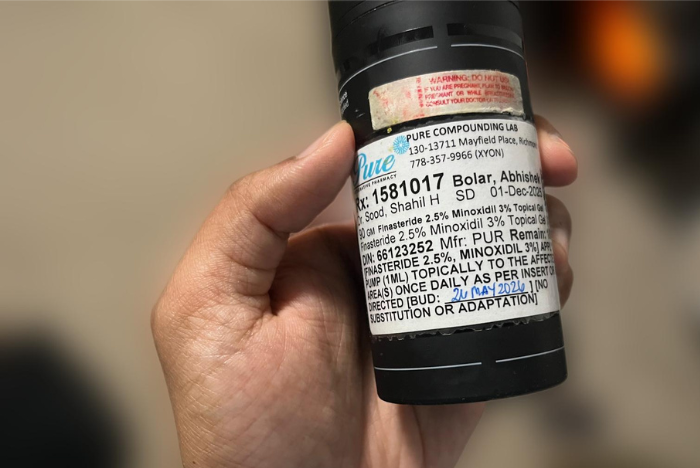
The turning point for me was switching to a topical treatment called Xyon gel. It contains minoxidil and finasteride in a topical formulation. I had lost hair completely in the frontal area, but after using the gel consistently for about a year, my frontal hair not only grew back but came in thicker than before.
I apply it on alternate days, focusing specifically on the front region of my scalp. It was the only product that delivered real regrowth where I needed it most.
Alongside Xyon gel, I use Nioxin’s Scalp + Hair Thickening System Kit on alternate days. The kit includes a shampoo, conditioner, and a thickening treatment foam that I apply across my frontal scalp. On the days I don’t use Nioxin, I wash with Nizoral once a week to keep dandruff at bay. A healthy scalp is essential for frontal hair growth, so keeping flakes and itching under control has been just as important as the treatment itself.
The best anti-dandruff shampoo for thinning hair in my experience has been Nizoral. After just two washes, I could notice the flakes disappearing from my scalp. The connection between scalp health and hair growth is something I underestimated early on.
Diet and Scalp Care: The Inside-Out Approach
I also made changes to support frontal regrowth from the inside. I eat pumpkin seeds regularly—they’re natural DHT blockers—along with sardines, eggs, and spinach for protein, omega-3s, and iron. I take vitamin D supplements especially during Canadian winters, since low vitamin D may have contributed to my thinning in the first place.
I massage my frontal scalp two to three times a week with a hair massager to keep blood circulation strong. It’s a small thing, but consistent scalp massage helps with blood flow to the follicles.
The how to make thin hair thicker approach isn’t about one magic product. It’s about layering multiple strategies—treatment, scalp care, nutrition, and patience. From what I’ve read, research on the American Academy of Dermatology’s guidance on hair loss types emphasizes that combination approaches tend to outperform single treatments for androgenetic alopecia.
Key Takeaways
- Act early — Frontal hair thinning is easier to address in the early stages before follicles miniaturize completely
- Layer your approach — Combine topical treatments, scalp care, and nutrition rather than relying on one product alone
- Scalp health matters — Dandruff and inflammation can worsen thinning, so keeping your scalp clean and healthy is essential
- Get your vitamin D checked — Especially if you live in low-sunlight environments, deficiency may be a hidden contributor
- Consistency over intensity — A routine you stick with for 12 months will outperform any product you use for three months and quit

Abhishek Bolar
Certified Hair Care Writer