Summary
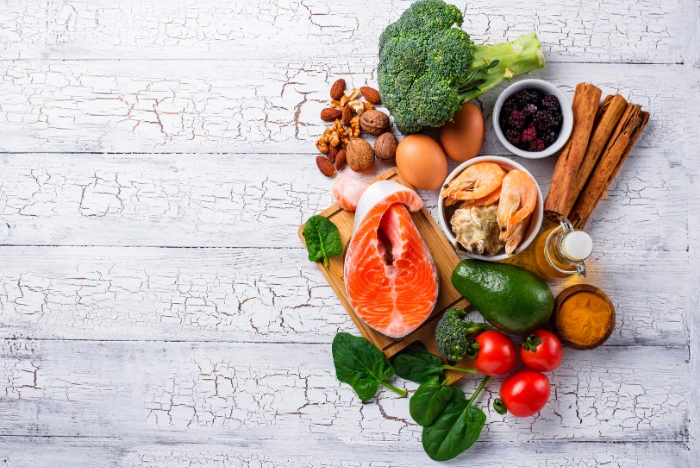
Eating the right foods provides your hair with the protein, omega-3 fatty acids, iron, zinc, and antioxidants it needs to grow strong and healthy. Research suggests that nutritional deficiencies — especially in vitamins B12, D, biotin, iron, and zinc — can lead to hair loss and slow growth. While diet alone won’t reverse genetic hair loss, addressing nutrient gaps can improve hair thickness and reduce shedding over time.
Disclaimer: I’m not a doctor or dermatologist. This post shares my personal experience and research. Always consult a qualified healthcare professional before starting any treatment.
Protein-Rich Foods — Building Blocks for Strong Hair
Your hair is mostly made of a protein called keratin. When you don’t get enough protein in your diet, your body can redirect it away from hair growth to more essential functions. That’s why protein-rich foods are the foundation of any plan to enhance hair growth.
I eat at least four eggs a day — usually in my afternoon meal with rice and spinach. Eggs are one of the best sources of biotin, a B vitamin that helps produce keratin. Research suggests that biotin deficiency can contribute to hair loss, though deficiencies are uncommon if you eat a balanced diet.
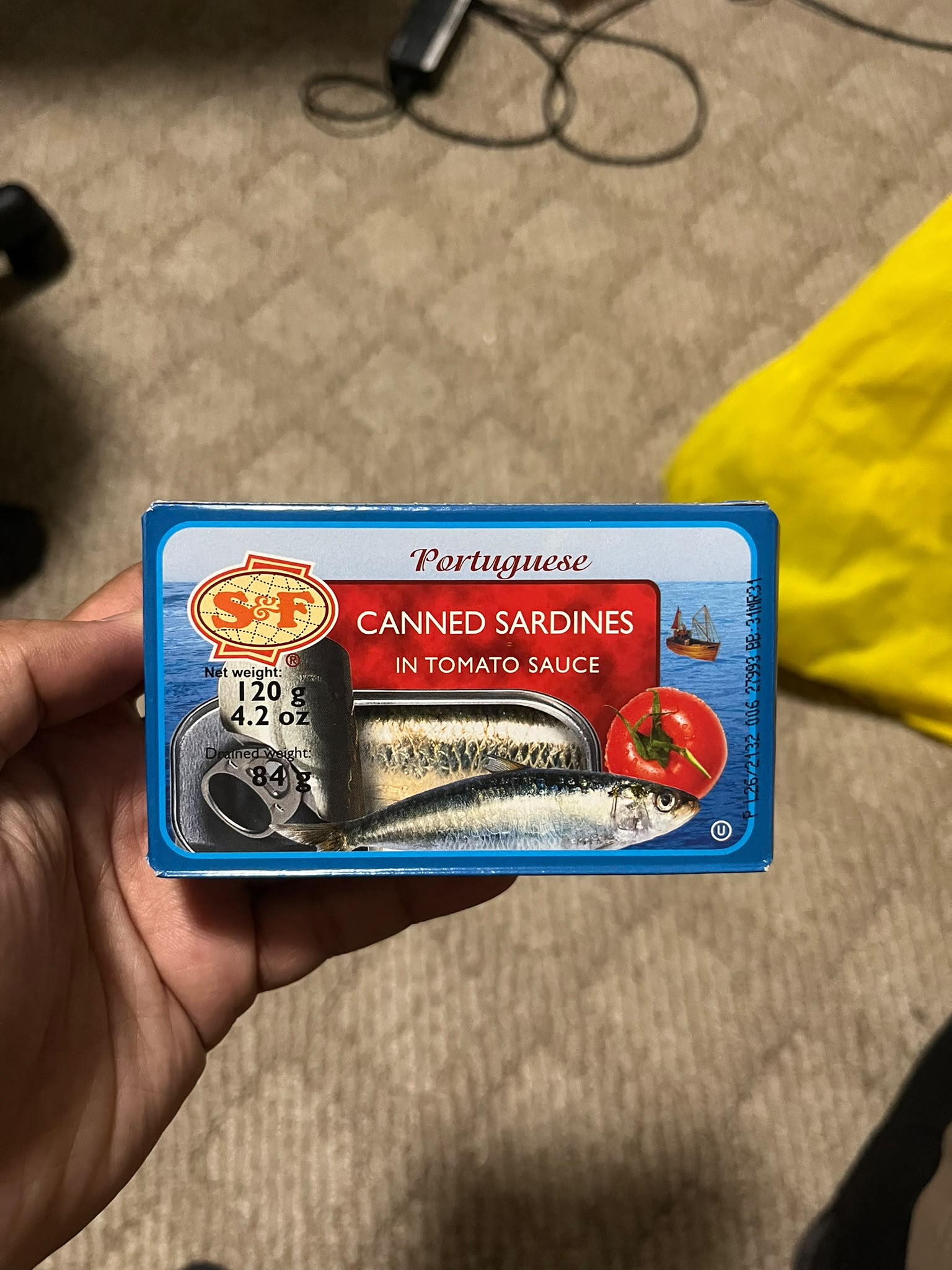
For additional protein and omega-3 fatty acids, I eat sardines. I buy them in cans from No Frills and enjoy them at lunch with rice and eggs. The combination of eggs and sardines is delicious, and it gives me a solid dose of protein, iron, and omega-3s in one meal.
The Cleveland Clinic explains the role of nutrients like protein and iron in supporting hair growth, noting that iron carries oxygen to all cells in your body, including hair follicles. Low iron — also known as anemia — can cause hair to shed faster than it grows.
In my experience, increasing my protein intake made a noticeable difference in how my hair felt. It looked healthier and felt stronger within a few months. If you’re dealing with thinning, there are several practical ways of improving the health of thinning men’s hair through diet and routine changes. But everyone’s different — your results may vary, and professional guidance is essential.
Seeds and Nuts — Small Foods, Big Impact
Seeds and nuts are nutrient-dense foods that pack a surprising amount of hair-healthy vitamins and minerals into small servings. Pumpkin seeds, walnuts, and flaxseeds are staples in my diet, and they’ve become a go-to snack for me.
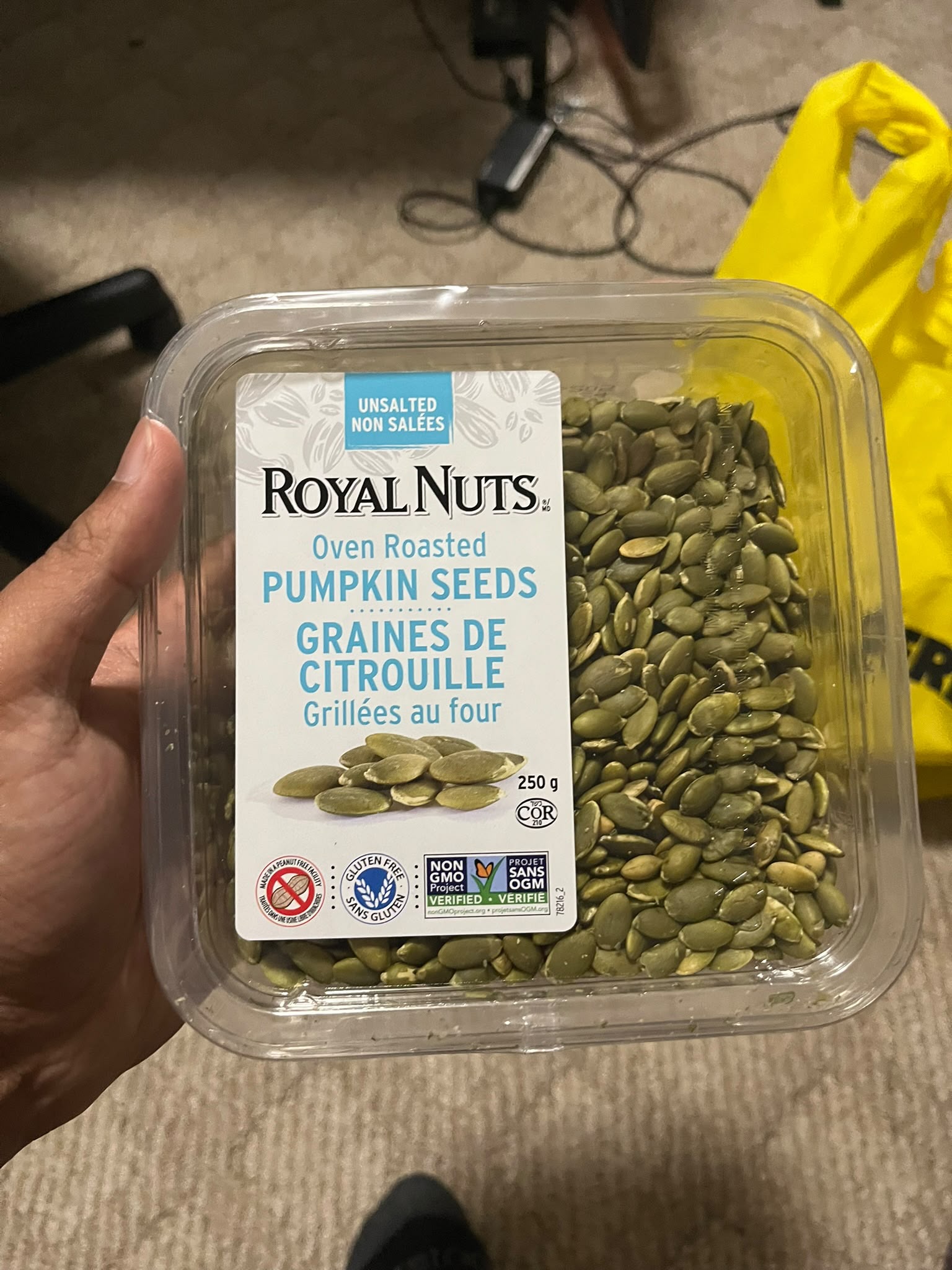
I snack on pumpkin seeds whenever I’m enjoying a hot beverage — whether it’s barley tea, coffee, or chai. They’re rich in zinc, which supports the hair growth and repair cycle. Zinc deficiency has been linked to hair loss, and getting enough from food sources like pumpkin seeds is a practical way to cover your bases.
I also mix walnuts into my oatmeal along with blueberries. Walnuts provide omega-3 fatty acids and vitamin E, both of which support scalp health. Healthline lists eggs, seeds, and nuts among the best foods for hair growth, citing their roles in providing biotin, vitamin E, zinc, and essential fatty acids.
Flaxseeds are another option I’m interested in exploring further. They contain omega-3 fatty acids and are often recommended for hair health. Two tablespoons of ground flaxseed provide about 4.7 grams of omega-3s, which is a solid amount for supporting your scalp and hair follicles.
From what I’ve read, seeds and nuts work best as part of a balanced diet rather than as a standalone fix. They’re easy to add to meals — toss them in oatmeal, yogurt, or salads — and they provide a steady supply of the nutrients your hair needs. Understanding what causes thinning hair can help you decide which foods to prioritize.
Leafy Greens and Berries — Vitamins and Antioxidants
Leafy greens like spinach are loaded with vitamins A and C, iron, and folate — all nutrients that play a role in hair growth. Vitamin A helps your scalp produce sebum, the oily substance that keeps hair moisturized and healthy. Iron helps red blood cells carry oxygen to your hair follicles, and folate supports cell growth.
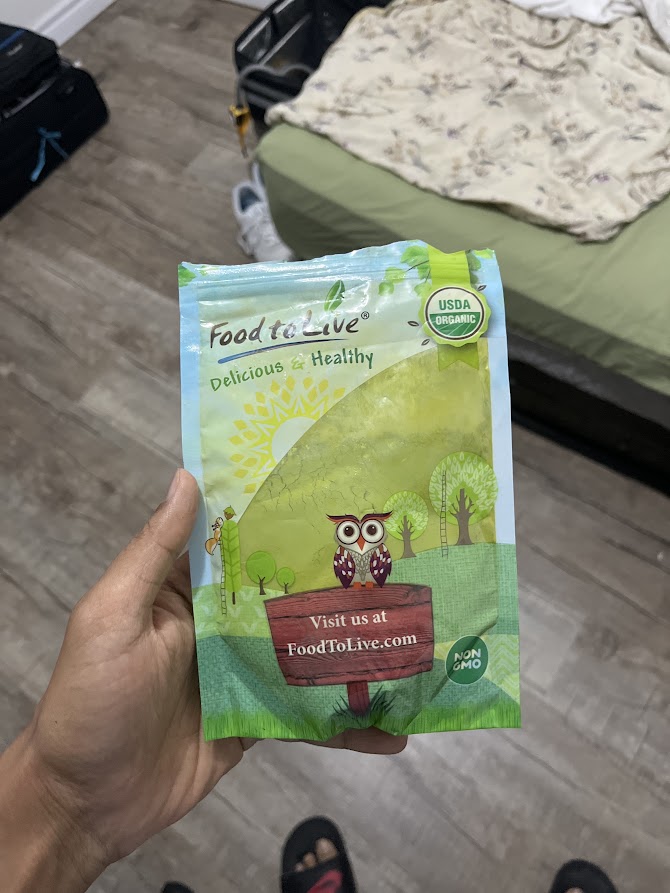
I add spinach to my rice almost every day. It’s an easy way to get a concentrated dose of vitamins without changing the taste of my meals much. I also drink matcha green tea on days when I skip breakfast, which is believed to have some DHT-blocking properties.
Berries, especially blueberries, are another important part of my diet. They’re rich in vitamin C, which acts as an antioxidant to protect hair follicles from damage. Vitamin C also helps your body produce collagen, a protein that strengthens hair and prevents it from becoming brittle and breaking.
One cup of strawberries provides up to 113% of your daily vitamin C needs, which is impressive for such a simple food. I sometimes add blueberries to my oatmeal along with walnuts for a nutrient-packed breakfast.
Research suggests that antioxidant-rich foods help protect hair follicles against oxidative stress — a condition where free radicals damage cells in your body, including those in your scalp. While more studies are needed, including berries and leafy greens in your diet is a practical way to support overall hair health. If you want to avoid thinning hair as a man, building meals around nutrient-dense foods like these is a solid starting point.
Putting It Together — My Daily Hair Growth Meal Plan
Knowing which foods support hair growth is one thing. Actually eating them consistently is another. Here’s how I structure my daily meals to enhance hair growth:
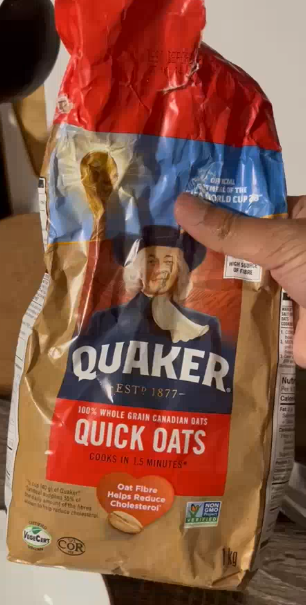
Breakfast: Oatmeal with blueberries and walnuts. Oats provide whole grains and selenium, which supports thyroid health. Blueberries add vitamin C, and walnuts contribute omega-3s and vitamin E.
Lunch: Sardines with rice and eggs. This gives me protein, omega-3 fatty acids, iron, and biotin in one meal. I buy canned sardines from No Frills — they’re affordable, convenient, and packed with nutrients.
Afternoon meal: Eggs with rice and spinach. More protein and biotin from the eggs, plus vitamins A, C, iron, and folate from the spinach.
Snack: Pumpkin seeds with barley tea, coffee, or chai. Zinc, magnesium, and healthy fats to support the hair growth cycle.
This routine ensures I get a wide range of nutrients throughout the day — protein, omega-3s, iron, zinc, biotin, vitamins A and C, and antioxidants. I consume these foods in large quantities to make sure I’m covering my nutritional bases.
It took me a while to find a routine that worked. I started by learning how to make thin hair thicker through diet changes, and over time, I noticed my hair felt healthier and stronger. But I’m not a doctor — your dermatologist can determine what’s right for your situation.
If you’re dealing with hair thinning, I’d recommend starting with your diet before exploring other options. Small changes — adding eggs, seeds, or leafy greens to your meals — can make a difference over time. Talk to your doctor about what nutrients might be lacking in your diet.
Conclusion
The foods you eat directly affect the health of your hair. Protein, omega-3 fatty acids, iron, zinc, biotin, vitamins A and C, and antioxidants all play a role in supporting hair growth and reducing thinning. In my experience, making deliberate dietary changes — eating more eggs, sardines, pumpkin seeds, spinach, and berries — improved how my hair looked and felt.
That said, diet alone won’t solve genetic hair loss. It’s one piece of a bigger puzzle that includes hair care routines, medical treatments, and professional guidance. I’d recommend consulting a qualified healthcare professional to understand what’s driving your hair loss and what approach makes sense for you.
This is based on my personal experience — your results may vary, and professional guidance is essential.
Key Takeaways
- Protein is foundational — Hair is mostly made of keratin, a protein. Eggs, sardines, and lean meats provide the building blocks your hair needs.
- Seeds and nuts deliver zinc and omega-3s — Pumpkin seeds, walnuts, and flaxseeds are nutrient-dense foods that support the hair growth cycle.
- Leafy greens and berries provide vitamins and antioxidants — Spinach offers vitamins A, C, iron, and folate, while blueberries deliver vitamin C to protect hair follicles.
- Consistency matters more than quantity — Small, daily additions of hair-healthy foods compound over time.
- Diet is one piece of the puzzle — Consult a healthcare professional to address the root cause of your hair thinning.

Abhishek Bolar
Certified Hair Care Writer