
Summary
Men can cover thinning hair using practical methods like hair fibers, scalp concealers, strategic haircuts, thickening treatments, and accessories like beanies. In my personal experience, blow-drying hair and using a hair thickening treatment foam like Nioxin helped me cover thinning areas the most. The best approach combines multiple methods depending on the situation — what works at the office won’t work at the gym, and what works in winter won’t work in summer. Start with the simplest methods and build a toolkit that fits your life.
If you’ve ever stood under harsh bathroom lighting and tried to figure out how to angle your hair so the thinning doesn’t show, I get it. I’ve been doing that for years. It started around 2018 when I noticed my hair getting thinner at the front, and honestly, it scared me.
Hair loss is incredibly common. Up to 80% of men develop androgenetic alopecia by age 70, according to a 2025 PLOS One study. And about 66% of men experience some level of hair loss by age 35. But knowing it’s common doesn’t make it easier when it’s your scalp in the mirror.
So here’s what I’ve learned — not from a textbook, but from years of trial, error, and a lot of mirror-checking. These are the methods that actually helped me cover my thinning hair.
Use a Hair Dryer to Add Volume
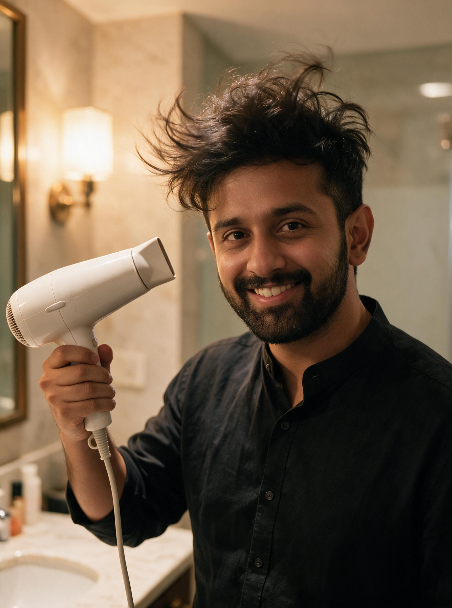
This is the simplest thing I do, and it makes the biggest difference. When I blow-dry my hair after a shower, I flip my head upside down and direct the dryer at the roots. It lifts the hair away from the scalp and creates the illusion of more volume.
It’s not a permanent fix, but on days when I need to look presentable quickly, this is my go-to. The key is drying from the roots up — not just blasting the top of your head. You want the hair to stand up and away from the scalp, which covers the thinning areas naturally.
I’ve been doing this for years, and it still works. The whole thing takes about three minutes, and it hides more thinning than you’d expect.
Try a Hair Thickening Treatment
After blow-drying, I apply a hair thickening treatment. I personally use Nioxin’s treatment foam. It’s a small amount of foam that I work through my hair and onto my scalp.
When I first started using it, I didn’t see much of a difference immediately. But by the next day after a hair wash, my hair looked noticeably thicker and had more volume. It’s been a couple of months now, and I’m happy with the results so far. The foam doesn’t feel heavy or sticky, which was something I worried about.
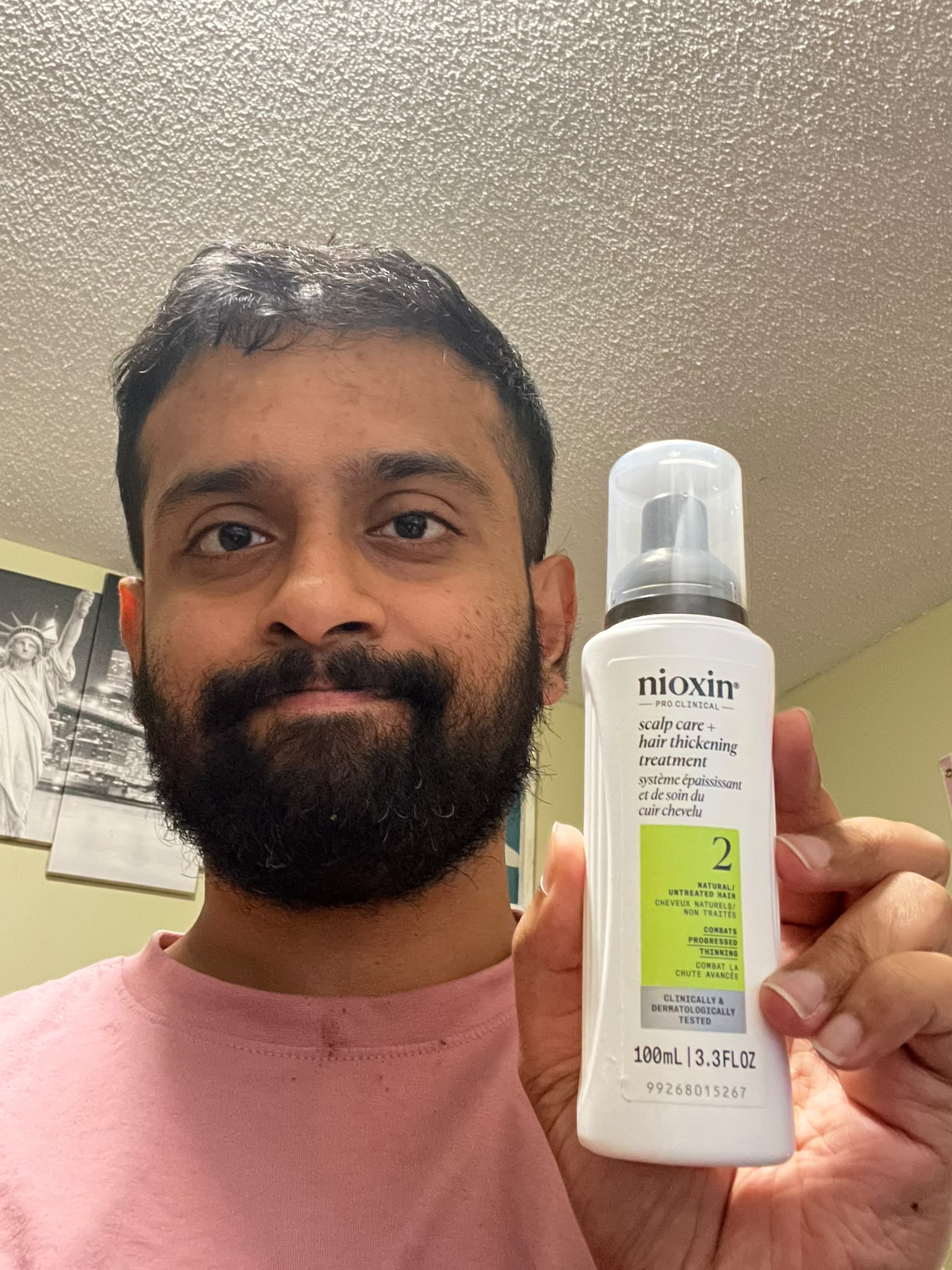
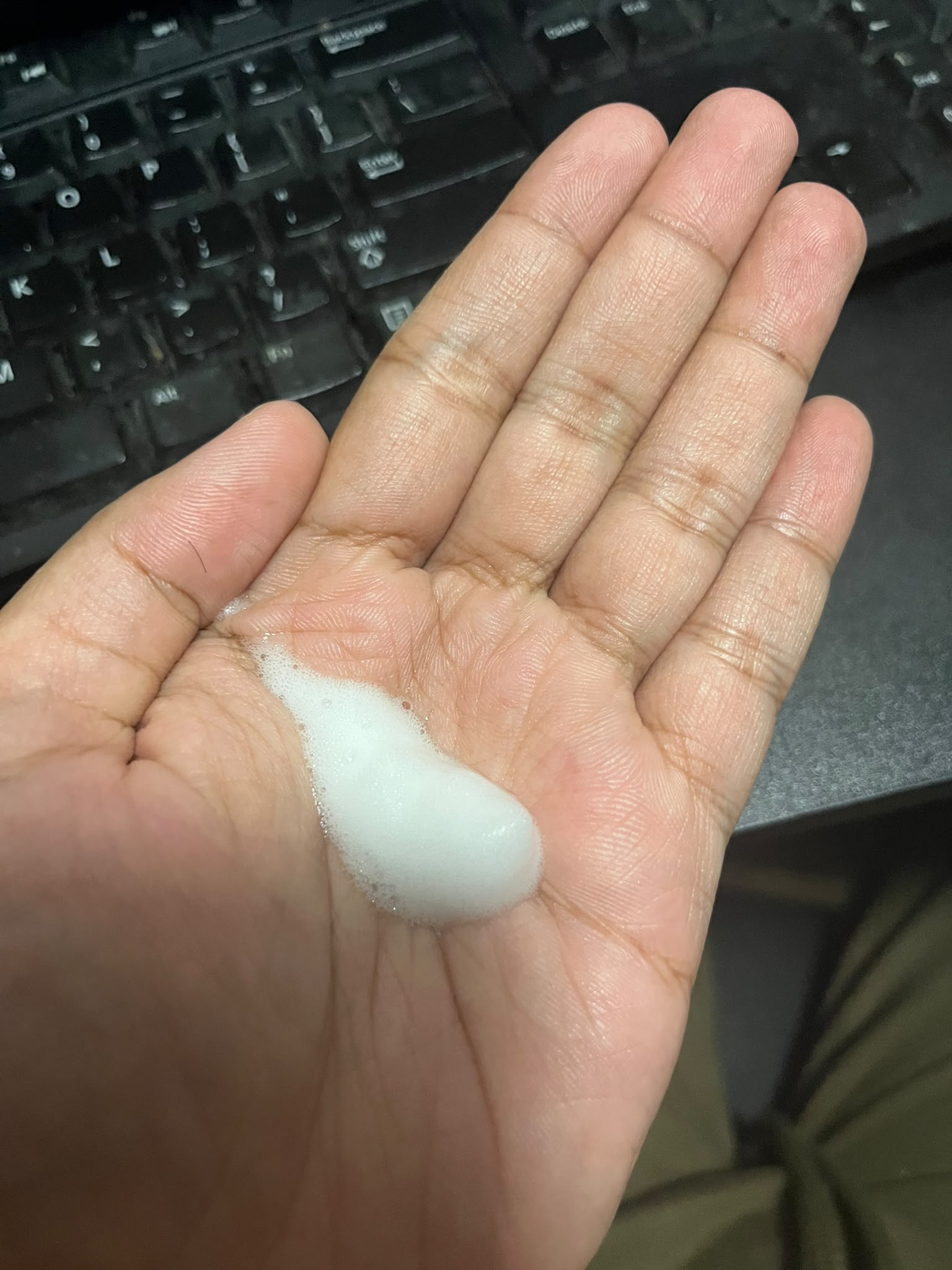
I use Nioxin about twice a week. On other days, I switch to my regular shampoo. The Nioxin system comes with a cleanser shampoo, conditioner, and the thickening treatment — so it’s a complete routine, not just a one-off product.
Wear a Beanie (With One Important Rule)
Since I live in Canada, winter is actually my secret weapon. A good beanie covers my thinning hair completely, and nobody thinks twice about it. Most guys wear beanies in the cold — it’s totally normal.
But here’s the thing I learned the hard way: the beanie needs to have enough breathing room. If it’s too tight or traps too much heat, your scalp sweats. And sweaty scalp equals itching, which equals more hair falling out when you scratch.
So make sure the beanie fits loosely enough that your scalp can breathe. I have a couple of lightweight wool ones that work perfectly. They keep me warm without turning my head into a sauna.

Get the Right Haircut
This one sounds obvious, but it’s worth saying: the right hairstyle can hide thinning areas better than any product. Certain cuts work with thin hair instead of against it.
Shorter styles tend to work best because they reduce the contrast between thick and thin areas. A textured crop or a crew cut can make thinning at the crown much less noticeable. If you prefer longer hair, ask your barber about layering techniques that add volume on top.
I found that being honest with my barber about my thinning helped a lot. They’ve seen it before and can suggest styles that work with your specific pattern. Don’t try to hide it from the person cutting your hair — they can’t fix what they can’t see.
Hair Fibers: The Good and the Bad
Hair fibers are tiny keratin particles you shake onto thinning areas. They cling to your existing hair and make it look thicker instantly. Products like Toppik are the most well-known.
The results can be impressive — especially for the crown area where you still have some hair. But I want to be real about the downsides because nobody talks about them enough.
First, they’re messy. The powder gets everywhere — your bathroom counter, your clothes, your pillowcase. Second, they don’t love sweat. If you work out, the fibers can start to run and create dark streaks on your forehead. Third, there’s the daily application. You have to apply them every morning, and that gets old fast.
I used fibers on and off for a while, and they do work for special occasions. But I wouldn’t rely on them every single day. The maintenance becomes a burden, and you start worrying constantly about wind, rain, or someone standing too close behind you.
If you do use them, hold the shaker about six to eight inches from your head and tap lightly. Less is more — too much product looks clumpy and unnatural.
Scalp Concealers and Root Sprays
These are liquid or spray products that color your scalp to match your hair, reducing the contrast between your skin and thinning areas. They’re different from fibers because they don’t add texture — they just add color.
Brands like dpHue Color Touch-Up Spray and L’Oréal Root Cover Up come in multiple shades. You spray them directly onto thinning areas, and they dry quickly without feeling sticky.
I find these work better for smaller, targeted areas — like a widening part or a small bald spot at the crown. They won’t give you the volume that fibers do, but they’re less messy and easier to apply.
One thing to watch: make sure the shade matches your hair color closely. A mismatch looks worse than just showing your scalp. Test the spray on a small area first before committing.
Strategic Hairstyles for Thinning Hair
Beyond just getting a good haircut, there are specific styling tricks that help cover thinning.
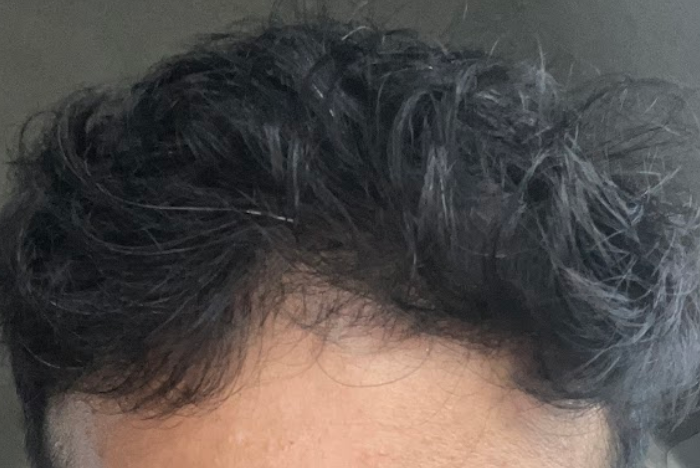
The combover that actually works. I’m not talking about the old-school comb-over. I’m talking about training your hair to fall in a direction that covers thinning areas. This works best if your thinning is concentrated in one spot — you style the longer hair from adjacent areas over the thin spot.
Texturizing products. A little bit of matte clay or texturizing spray can add grip and volume to thin hair. Apply it to damp hair and work it through with your fingers — not a brush. Brushing can flatten everything back down.
Side parts over center parts. A center part exposes the most scalp. A deep side part redistributes hair and can hide thinning along the part line.
Build a Covering Toolkit for Different Situations
Here’s what nobody tells you: there’s no single method that works for every situation. The real answer is building a toolkit.
At the office: Blow-dry + Nioxin foam + the right hairstyle. This combo handles most professional settings without drawing attention.
At the gym: Skip the fibers. Go with a short, textured cut that looks intentional. Nobody expects perfection at the gym.
On a date: This is where fibers or scalp concealers earn their keep. Apply carefully, use a holding spray, and you’re good for the evening.
In winter: Beanie. Done. It’s the easiest cover-up in the world, and nobody questions it.
In summer: This is the hardest one. Hats can work outdoors, but indoors you’re exposed. A good thickening treatment and the right hairstyle are your best bets here.
Don’t Forget About Prevention
Covering thinning hair is one thing — preventing it from getting worse is another. While this post is about covering, I’d be doing you a disservice if I didn’t mention that slowing hair thinning gives you more to work with down the line.
From my own experience, improving the health of thinning hair through diet — pumpkin seeds, sardines, eggs, spinach — and a consistent hair care routine has made a noticeable difference.
Common Questions About Covering Thinning Hair
Do hats cause more hair loss?
No. Dermatologists consistently state that hat wearing does not cause androgenetic alopecia. The only hat-related hair loss risk is traction alopecia from extremely tight headwear worn for long periods. A regular beanie or cap won’t make your hair fall out.
Are hair fibers safe to use daily?
Most hair fiber products use keratin — the same protein your hair is made from — so they’re generally safe for daily use. However, some people experience scalp irritation. If that happens, reduce how often you use them or try a different brand.
Can I use hair fibers if I’m completely bald in an area?
Fibers need some existing hair to cling to. If a spot is completely bald, fibers won’t stick and you’ll just see powder on your scalp. In that case, scalp concealers or other methods work better.
How long do hair fibers last?
Applied correctly, hair fibers stay in place until you shampoo your hair. They’re resistant to wind and light rain, but heavy sweating can cause them to shift. A fiber-holding spray helps lock them in.
What’s the cheapest way to cover thinning hair?
A blow-dryer and the right hairstyle cost nothing extra if you already have them. Hair fibers run about $10-25 per bottle and last a month or two. Scalp sprays are similar in price. Beanies are a one-time purchase that works all winter.
Key Takeaways
- Blow-drying from the roots and using a thickening treatment like Nioxin are the simplest daily methods for covering thinning hair
- Build a covering toolkit: different methods work for different situations — what works at the office won’t work at the gym
- Hair fibers look great but come with trade-offs — messy application, sweat sensitivity, and daily maintenance
- The right haircut matters more than most products — work with your barber, not against them
- Beanies are the easiest cover-up in cold weather, but make sure they breathe to avoid scalp sweating

Abhishek Bolar
Certified Hair Care Writer