TL;DR
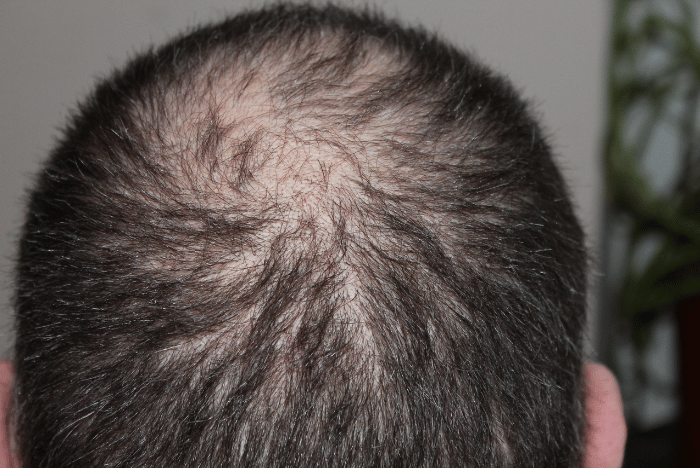
To slow hair thinning, a systematic review and meta-analysis published in the Journal of the American Academy of Dermatology found that minoxidil, finasteride, and low-level laser light therapy are all effective for promoting hair growth — all superior to placebo. Cleveland Clinic specialists identify topical minoxidil and oral finasteride as the first-line treatments for male pattern hair loss. Neither treatment works for everyone, and both require continuous use to maintain results. A dermatologist can diagnose the underlying cause and recommend the right approach for your specific situation.
Understanding Why Hair Thinning Happens
When I first noticed my hair wasn’t as thick as it used to be, my initial reaction was denial. Then came the panic. Then came the research. What I learned is that hair thinning is incredibly common, and there are several factors that contribute to it — genetics, hormones, stress, diet, and age all play a role.
For me, the biggest factor was genetics. Male pattern baldness runs in my family, and I started noticing changes in my mid-twenties. If you’re seeing more hair in the shower drain or your hairline is gradually receding, it helps to understand what causes thinning hair so you can figure out the best approach for your situation.
One thing I wish I’d done earlier was take photos to track changes. Hair thinning is often so gradual that you don’t realize how much has changed until you compare over time. If you’re just starting to notice something, that’s actually the best time to act.

Early Maintenance: Oils, Massages, and Better Shampoos
When I first started taking hair thinning seriously, my approach was entirely about maintenance. I wasn’t ready for medical treatments — I wanted to try the basics first. And honestly, I think that’s a reasonable starting point for a lot of people.
I started using natural oils like castor oil and olive oil. The idea behind castor oil is that it can help moisturize the scalp and create a healthier environment for hair growth. I’d warm it up slightly and massage it into my scalp once or twice a week. Olive oil was my go-to for general conditioning — it helped with dryness and made my hair feel thicker, even if it was mostly a cosmetic effect.
Scalp massages became part of my weekly routine. I’d spend about 10-15 minutes massaging my scalp, sometimes with oil and sometimes without. There’s some research suggesting that regular scalp massages may help with hair thickness, which I found encouraging. Whether it was the massage itself or just the improved blood circulation, my scalp felt healthier overall.
I also upgraded my shampoo game significantly. Instead of whatever was on sale at the drugstore, I started investing in shampoos designed for thinning hair. If you’re looking for ways to make thin hair thicker, starting with your shampoo and conditioner is one of the simplest changes you can make.
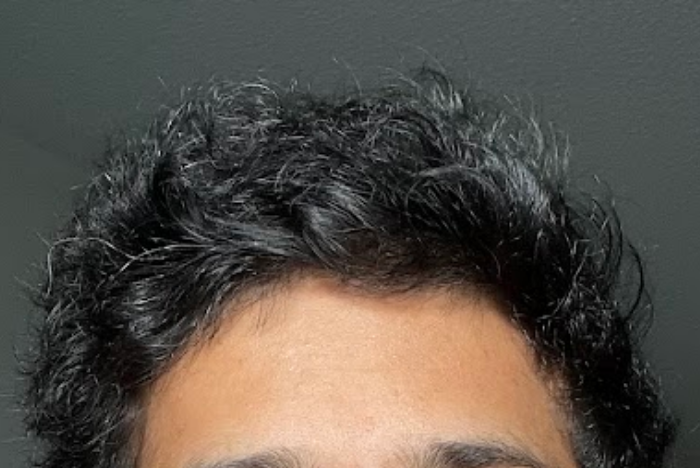
For a while, this routine worked well enough. My hair looked and felt healthier. The thinning wasn’t progressing as fast as I feared it might. But as I got older, I realized that maintenance alone wasn’t going to be enough to keep up with what was happening.
The Cleveland Clinic notes that hair loss can be influenced by a wide range of factors, and early intervention often leads to better outcomes. That was definitely my experience — the sooner I started paying attention, the more options I had.
When Maintenance Isn’t Enough: Moving to Medical Solutions
By the time I hit my early thirties, the natural oils and better shampoos weren’t cutting it anymore. The thinning was becoming more noticeable, and I knew I needed to explore stronger options. That’s when I started looking into medical treatments.
I went to a dermatologist and had a proper consultation. We talked about my family history, the pattern of my thinning, and what I’d already tried. She helped me understand that hair thinning can also be influenced by factors I hadn’t considered — like stress-related hair loss, which can compound the effects of genetic thinning.
That was a turning point for me. I realized that even if genetics were the primary driver, other factors were making it worse. Addressing stress, improving my diet, and being more intentional about my hair care routine all became part of the bigger picture.
At 34 years old, the most effective approach for me has been using Xyon gel. It’s a topical solution that my dermatologist prescribed, combining minoxidil and finasteride in a gel form. I’ve been using it consistently, and it’s helped me with thickening my hair and regrowing some of what I’d lost. When I’d pretty much lost hope of seeing improvement, Xyon gel turned things around for me personally.
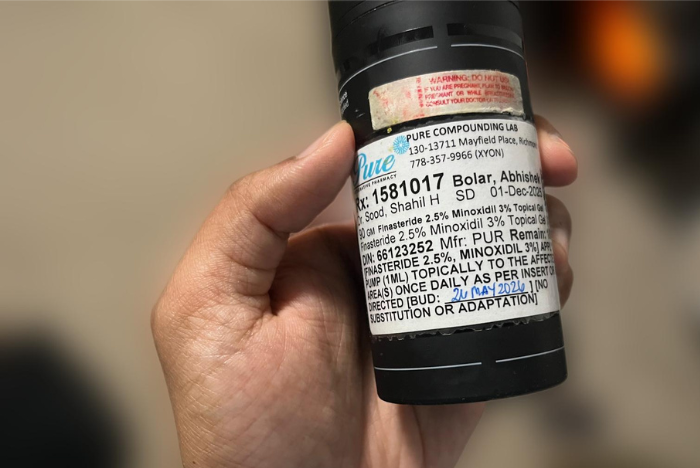
I want to be clear — this is my personal experience. What worked for me might not work for you, and I’d strongly recommend talking to your own dermatologist before starting any medical treatment. Everyone’s hair loss is different, and a professional can help you figure out the right approach.
Diet, Stress, and Lifestyle Factors
Something I didn’t pay enough attention to early on was how much diet and lifestyle affect hair health. When I started researching DHT blockers and foods that support hair growth, I realized I’d been ignoring a huge piece of the puzzle.
I started incorporating more foods that support blood circulation and provide the nutrients hair follicles need to stay healthy. Things like spinach, eggs, fatty fish, and nuts became regular parts of my diet. I also started taking a multivitamin to fill in any gaps — though I’d recommend getting bloodwork done first to see if you’re actually deficient in anything.
The Healthline article on foods for hair growth is a good starting point if you want to learn more about the nutritional side of things. I found it helpful when I was trying to figure out what dietary changes might actually make a difference.
One thing my dermatologist also mentioned was the benefits of finasteride for addressing the hormonal component of hair loss. It’s something worth discussing with your doctor — I’m not a medical professional and can’t explain all the science, but my dermatologist helped me understand how it fits into a broader treatment plan.
What I’ve learned is that slowing hair thinning isn’t about one magic solution. It’s about layering multiple approaches — the right products, the right diet, stress management, and professional guidance. The combination of all these things is what made the difference for me.
Conclusion
If you’re dealing with hair thinning, my biggest advice is to start early and stay consistent. Don’t wait until the thinning is severe to take action. The earlier you address it, the more options you have.
Maintenance — oils, massages, better shampoos — is a great starting point. But as you age, you might need to explore medical solutions like Xyon gel or other treatments your dermatologist recommends. And don’t overlook the basics: a good diet, stress management, and regular check-ups all matter.
Genetics play a role, and sometimes they work against you despite your best efforts. That’s just reality. But I’ve learned that there’s a lot you can do to slow the process down and keep your hair looking its best for as long as possible.
Talk to a dermatologist. Get a personalized plan. And remember — this is based on my personal experience, and your results may vary. What matters is finding what works for your situation.
Key Takeaways
- Start early — the sooner you address hair thinning, the more options you have
- Minoxidil and finasteride are the most research-backed treatments, but both require continuous use
- Maintenance matters — oils, scalp massages, and quality shampoos can help in the early stages
- Diet and stress play a role — nutrient deficiencies and chronic stress can accelerate thinning
- See a dermatologist — a professional can diagnose the cause and recommend the right approach for your situation

Abhishek Bolar
Certified Hair Care Writer