TL;DR
To address thinning hair on top of your head, research suggests starting with minoxidil — the most-studied topical treatment for crown thinning. A systematic review in the Journal of the American Academy of Dermatology found minoxidil and finasteride both effective for promoting hair growth, with minoxidil available over the counter. If you have a double crown like me, it can be hard to tell whether the area looks sparse due to normal patterning or actual thinning. A dermatologist can confirm the cause and recommend the right approach for your situation.
Disclaimer: I’m not a doctor or dermatologist. This post shares my personal experience and research. Always consult a qualified healthcare professional before starting any treatment.
Why Hair Thins on Top First
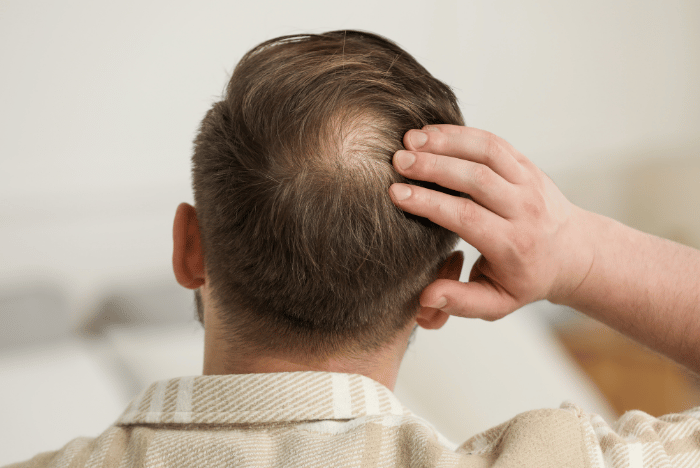
Hair thinning on the crown often follows a pattern tied to genetics. In my case, the change started gradually at the front before moving toward the vertex. Family history played a clear role, and I noticed the top area became more visible under certain lighting.
The vertex, or crown, tends to show changes earlier for many people because of how hair follicles respond in that region. I found myself researching whether it’s possible to regrow hair on a bald spot after seeing photos of my own scalp. Over time, the pattern became more obvious during regular haircuts.
Friends and my barber were the first to point out the difference. They mentioned the top looked less dense compared to the sides. This matched what I had read about typical male-pattern changes that concentrate around the crown.
Observing my scalp in good light helped me track progress month to month. The double-crown shape I have made it harder at first to separate normal variation from real thinning.
What I Did: From Essential Oils to Medical Treatment
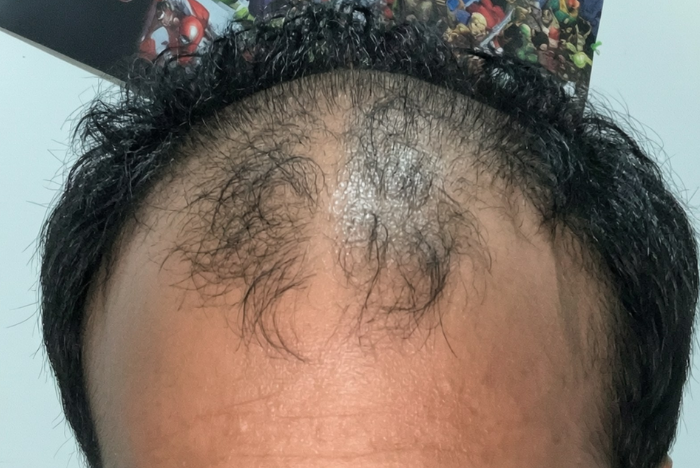
I began with simple steps at home. Castor oil and olive oil were the first things I tried, applying them a few times a week. These did not produce noticeable changes for me, but they felt like a low-risk place to start.
As the thinning became more visible, I added derma rolling on some weekends. The routine felt consistent, yet the results stayed modest. At that point I also looked into what causes thinning hair to understand my own situation better.
Eventually I spoke with a dermatologist who prescribed Xyon gel. Using it became part of my regular schedule, and I tracked photos every four weeks. The goal was thickening rather than expecting dramatic regrowth.
My experience stayed personal, and I kept notes on how my scalp reacted. Sometimes changing diet seemed to support overall hair feel, though that remained secondary to the prescription approach. I also reviewed Cleveland Clinic’s guide to hair loss for general background.
Making Thinning Hair on Top Look Thicker
Styling choices helped me reduce the contrast between the top and the sides. Shorter sides with a bit more length on top created better balance during the early stages. My barber suggested avoiding heavy products that weighed the hair down.
Layered cuts around the crown area gave the illusion of more volume without extra length. If you’re looking for ways to make thin hair thicker, starting with your haircut and styling routine is one of the simplest changes you can make. These small adjustments made daily styling quicker.
Texture sprays and light powders added grip so the hair stood up more easily. I kept the routine simple so it did not require extra time each morning. Over time I learned which products worked with my hair’s natural movement.
Trying different lengths showed me that very short styles sometimes highlighted the thinning more than medium lengths. The goal remained looking natural rather than covering anything up.
When to See a Dermatologist
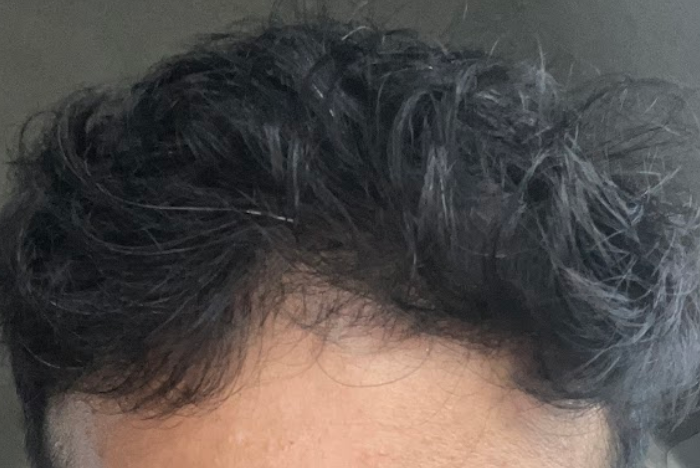
Reaching out to a dermatologist early gave me clearer information than guessing on my own. In my situation the double crown made it tough to judge whether the top was thinning or simply patterned that way from the start. A professional exam removed that uncertainty.
The visit included photos and a scalp check that helped set realistic expectations. I left with a plan that fit my schedule and did not require daily guesswork. Exploring hairstyles that work with thinning hair also helped me feel more confident while the treatment took effect.
Discussing family history helped the dermatologist understand the likely progression. This conversation also covered other factors such as stress and nutrition without turning into a full medical lecture.
Research suggests various approaches exist, and a systematic review on hair loss treatments offered additional context. I used that information only as background while following the guidance I received in person. My suggestion is to reach out to a dermatologist first — almost likely they are going to suggest minoxidil and finasteride. Sometimes changing diet might help too. And if you have a double crown like me, check properly before proceeding with any treatment.
Conclusion
Thinning on the top of the head often shows up first because of genetic patterns, and tracking changes over time helps separate normal variation from actual loss. My path moved from basic oils and derma rolling to a dermatologist-guided routine that included Xyon gel. Styling adjustments made the hair appear fuller in the meantime. The double-crown factor reminded me that self-assessment has limits. Professional input remains the most reliable next step when the picture stays unclear.
Key Takeaways
- Crown thinning is common — the top of the head is often where male pattern baldness shows first due to genetics and DHT sensitivity
- Minoxidil is the first-line treatment — available over the counter, research-backed for crown thinning, though individual results vary
- Essential oils and derma rolling may help in early stages — research is limited, but they’re low-risk starting points
- A double crown can mimic thinning — get a proper diagnosis before starting any treatment to avoid unnecessary worry
- See a dermatologist first — a professional can confirm the cause and recommend the right approach for your specific situation

Abhishek Bolar
Certified Hair Care Writer