AI Summary
Yes, a dry scalp can contribute to thinning hair. Factors like inflammation, damage to hair follicles, and underlying skin conditions can all cause hair loss when the scalp is dry and irritated. The good news is that identifying and treating the root cause of a dry scalp can often help restore hair health.
I remember the frustration I felt when I first noticed my hair starting to thin. It’s an incredibly common issue, but that didn’t make it any easier to deal with. As I dove into researching the potential causes, one factor kept coming up: my scalp’s health.
If you’ve ever stared at those flakes on your shoulders and wondered if they’re making your hair thinner, I get it. I’ve been there. The confusion between dry scalp and oily scalp is real. For me, it took a course on scalp types to finally understand that my scalp was actually oily, not dry. But I have friends who deal with dry scalp, and their experiences taught me a lot about how scalp health affects hair thickness.
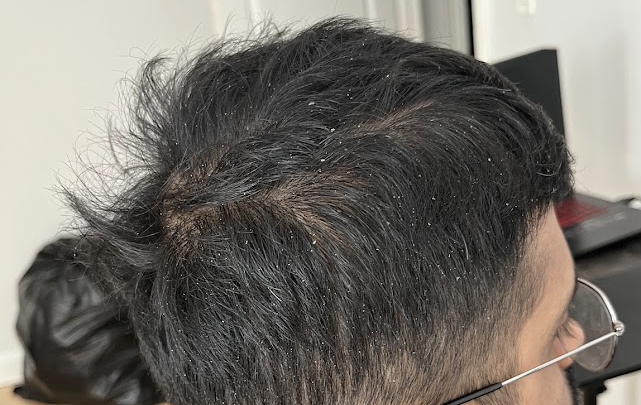
Understanding Dry Scalp and Hair Thinning
Our scalps play a crucial role in the health and growth of our hair. The skin on our heads contains the hair follicles that produce new strands. When that skin becomes irritated or damaged, it can disrupt the normal hair growth cycle.
Dry scalp happens when your scalp doesn’t produce enough natural oils, called sebum. Without enough moisture, the skin on your scalp becomes tight, itchy, and flaky. This is different from dandruff, which often comes from too much oil buildup. But both conditions can lead to hair thinning if left untreated.
One of my friends struggled with constant itching and flaking for months. She didn’t realize that all that scratching was actually damaging her hair follicles. It wasn’t until she saw a dermatologist that she understood the connection between her dry scalp and her thinning hair.
How Dry Scalp Causes Hair Thinning
The main way dry scalp leads to hair loss is through inflammation. When your scalp is dry and irritated, you scratch it. That scratching damages the delicate hair follicles underneath. Over time, this damage causes follicles to produce thinner, weaker hairs.
Research suggests that as many as 32% of people with hair loss also report having a sensitive, irritated scalp. That’s a significant number. The constant scratching creates micro-tears in the scalp, which leads to inflammation. This inflammation can push hair follicles into a resting phase, causing them to stop producing new hair.
Another factor is the scalp’s barrier function. When your scalp is dry, its protective barrier gets compromised. This makes it easier for irritants and bacteria to get in, which can cause more inflammation and damage to hair follicles. It’s a vicious cycle that can be hard to break without the right treatment.
Dandruff, Seborrheic Dermatitis, and Hair Thinning
Two of the most common culprits behind a flaky, itchy scalp are dandruff and seborrheic dermatitis. Both conditions can contribute to hair thinning, but they work in slightly different ways.
Dandruff is often caused by an overgrowth of a naturally-occurring yeast called Malassezia. This yeast feeds on the oils in our scalp, leading to inflammation, itchiness, and flaky buildup. Left untreated, dandruff can damage hair follicles and contribute to thinning.
Seborrheic dermatitis is a chronic inflammatory skin condition that affects the scalp. It’s more severe than regular dandruff and can cause redness, greasiness, and even temporary hair loss. The inflammation from seborrheic dermatitis can weaken hair follicles, making them produce thinner strands.
If you’re dealing with dandruff that’s causing hair thinning, you might want to check out this article on does dandruff cause thinning hair. It goes deeper into the connection and what you can do about it.
Common Causes of Dry Scalp
Understanding what’s causing your dry scalp is the first step toward fixing it. Here are some common causes:
Vitamin Deficiencies: Low levels of vitamin D, iron, or biotin can affect scalp health. When your body doesn’t get enough of these nutrients, your scalp can become dry and your hair can start thinning. If you suspect this might be your issue, here’s some info on does low vitamin D cause hair thinning.
Harsh Hair Products: Shampoos with sulfates, alcohol, or other harsh chemicals can strip your scalp of its natural oils. This leaves your scalp dry and vulnerable to damage.
Weather Changes: Cold, dry winter air can suck moisture right out of your scalp. Indoor heating makes it even worse.
Stress: Believe it or not, stress can affect your scalp health. When you’re stressed, your body produces more cortisol, which can disrupt oil production in your scalp.
Over-Washing: Washing your hair too often can strip away the natural oils your scalp needs to stay healthy. This is especially true if you’re using harsh shampoos.
Can Hair Grow Back After Dry Scalp Damage?
This is the question everyone asks, and I totally understand why. The short answer is: it depends.
If the damage is temporary and you catch it early, hair can often grow back. The key is to treat the underlying cause of your dry scalp before the damage becomes permanent.
One friend of mine noticed her hair thinning after months of dealing with a dry, itchy scalp. She started using a medicated shampoo with zinc pyrithione and switched to gentler hair products. Within a few months, her scalp stopped itching, and her hair started growing back thicker.
However, if the damage has been going on for a long time, it might be harder to reverse. That’s why it’s so important to address scalp issues as soon as you notice them. Don’t wait until the hair loss becomes noticeable.
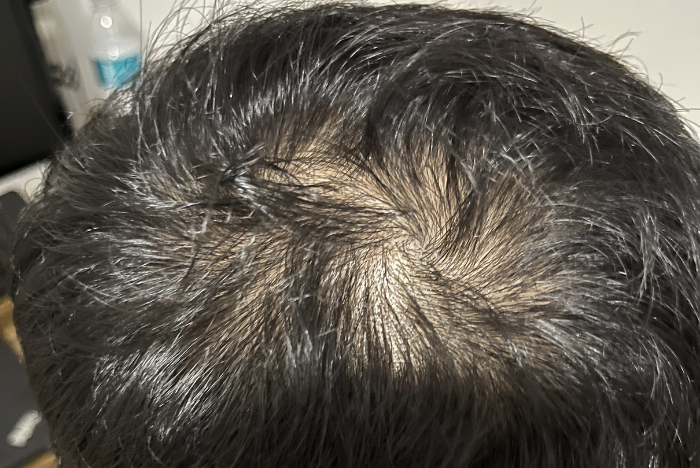
Dry Scalp Treatments That May Help
The treatment for your dry scalp depends on what’s causing it. Here are some options that might help:
Medicated Shampoos: If dandruff or seborrheic dermatitis is the culprit, shampoos with zinc pyrithione, ketoconazole, or salicylic acid can help. These ingredients target the yeast and inflammation that cause flaking and itching. For more info on the best options, check out this guide on best anti-dandruff shampoo for thinning hair.
Moisturizing Products: If your scalp is simply dry, look for shampoos and conditioners with hydrating ingredients like glycerin, aloe vera, or natural oils. These can help replenish lost moisture.
Gentle Hair Care: Avoid harsh chemicals, heat styling, and over-washing. Give your scalp a break and let it recover naturally.
Scalp Treatments: Some people find relief with scalp serums or oils that help restore moisture and reduce inflammation. Look for products with tea tree oil, jojoba oil, or coconut oil.
Lifestyle Changes: Managing stress, eating a balanced diet, and staying hydrated can all support scalp health. Sometimes the simplest changes make the biggest difference.
My Experience with Scalp Types
As I mentioned earlier, I always thought my scalp was dry because I had flakes. But after taking a course on scalp types, I learned that my scalp was actually oily. The flakes were coming from excess oil buildup, not dryness.
This was a turning point for me. Once I understood my scalp type, I could choose the right products and treatments. My oily scalp needed different care than a dry scalp would.
I have two friends who deal with dry scalp, and their experiences were eye-opening. One friend had constant itching and flaking that seemed to get worse every winter. She tried dozens of products before finding a medicated shampoo that actually worked. The other friend discovered that his dry scalp was caused by harsh hair products he’d been using for years. Once he switched to gentler options, his scalp improved and his hair started looking thicker.
When to See a Dermatologist
If you’ve tried over-the-counter treatments and your dry scalp isn’t improving, it might be time to see a dermatologist. A dermatologist can help identify the root cause of your scalp issues and recommend the right treatment.
Signs that you should see a dermatologist include:
- Persistent itching that doesn’t go away with regular shampoos
- Redness, swelling, or bleeding on your scalp
- Hair loss that’s getting worse despite treatment
- Flaking that’s severe or doesn’t respond to dandruff shampoos
A dermatologist can also check for underlying conditions like psoriasis, eczema, or fungal infections that might be causing your dry scalp. These conditions often need prescription treatments to get under control.
The Bottom Line
Dry scalp can definitely contribute to hair thinning, but it’s not a life sentence. The key is to understand what’s causing your dry scalp and treat it appropriately. Whether it’s dandruff, seborrheic dermatitis, vitamin deficiencies, or harsh hair products, there are solutions out there.
Remember, everyone’s scalp is different. What works for me or my friends might not work for you. That’s why it’s so important to pay attention to your scalp’s specific needs and work with a dermatologist if needed.
If you’re looking for ways to make your thin hair look thicker while you’re treating your dry scalp, check out this article on how to make thin hair thicker. It has some great tips that helped me and my friends.
Key Takeaways
- Dry scalp can cause hair thinning through inflammation and damage to hair follicles from scratching
- Common causes include dandruff, seborrheic dermatitis, vitamin deficiencies, harsh hair products, and stress
- Hair can grow back if you treat the underlying cause early before permanent damage occurs
- Medicated shampoos with zinc pyrithione or ketoconazole can help treat dandruff and seborrheic dermatitis
- See a dermatologist if over-the-counter treatments aren’t working or if your hair loss is getting worse
- Gentle hair care and avoiding harsh chemicals can help protect your scalp and promote hair health
- Managing stress and eating well support overall scalp health and may help prevent hair thinning

Abhishek Bolar
Certified Hair Care Writer