
TL;DR
Men’s hair thinning most commonly starts in the late 20s to mid-30s, though it can begin as early as the late teens. According to the American Hair Loss Association, roughly 25% of men with male pattern baldness see hair loss before age 21, two-thirds experience it by age 35, and 85% have thinning by age 50. Genetics, hormones (specifically DHT), and age are the main drivers. I started noticing my own thinning at 28, and in this blog post I share what I learned about the timeline, the early signs I missed, and what I tried along the way.
When Does Hair Thinning Actually Start?
If you’re reading this, you’ve probably noticed something changing. Maybe your hairline looks different. Maybe there’s more hair in the shower drain than usual. I get it. I was 28 when my barber casually mentioned that my hair was thinning, and it hit me harder than I expected.
The short answer: most men start noticing hair thinning in their late 20s to early 30s. But the process can begin much earlier. According to Harvard Health, about 20% of men start balding by age 20, and about 30% do so by age 30. By age 50, roughly half of men have lost noticeable amounts of hair.
The Cleveland Clinic reports that about 25% of men see the first signs of hair loss before age 21. By age 50, half experience hair loss, and about 70% will lose hair as they get older. The American Hair Loss Association puts it even more starkly: by age 35, two-thirds of American men will experience some degree of noticeable hair loss, and by age 50, approximately 85% will have significantly thinning hair.
These numbers surprised me. I always thought balding was something that happened to men in their 40s or 50s. But the data shows it starts much younger for a significant portion of men.
The Early Signs I Missed
Looking back, there were signs I ignored for years. My hairline started receding at the temples, creating that M-shape that’s so common with male pattern baldness. I also noticed thinning at the crown of my head, but I kept telling myself it was just the lighting or the way my hair was styled. If you want to understand what it means when your hair is thinning, I wrote a whole blog post about that too.
The Norwood Scale is a classification system for male pattern baldness that ranges from Stage I (minimal hair loss) to Stage VII (extensive hair loss). When I first looked at it, I realized I was probably already at Stage II or III without knowing it.
Common early signs of balding include:
- A receding hairline, especially at the temples
- Thinning at the crown of your head
- More hair falling out during showers or brushing
- Your hair feeling thinner or finer than before
- A widening part when you style your hair
I wish I’d paid attention to these signs earlier. The sooner you notice hair loss, the more options you have to address it.
Here’s a quick video that covers the early signs of hair loss:
What Causes Hair to Thin in Your 20s and 30s?
For most men, hair thinning comes down to three things: genetics, hormones, and age.
Genetics. Male pattern baldness, also called androgenetic alopecia, is responsible for over 95% of hair loss in men. If your father, grandfather, or brothers experienced hair loss, there’s a higher chance you will too. According to the Cleveland Clinic, if your father is bald, you’re twice as likely to have male pattern baldness.
Hormones. Dihydrotestosterone (DHT) is a hormone derived from testosterone. It plays a major role in male pattern baldness. DHT can cause hair follicles to shrink over time, which makes hair thinner and shorter until it stops growing altogether. This process is called follicle miniaturization.
Age. The chances of developing male pattern baldness increase with age. But as the statistics show, it can start much younger than most people expect.
In my case, I wasn’t sure what was causing my hair loss. I lived in a basement in Canada for a while, which meant I was getting very little vitamin D. I also wasn’t eating the best diet. If you’re curious about the connection, I wrote about whether low vitamin D causes hair thinning based on my own experience. When I consulted a hair expert, she suggested nutrients like iron, biotin, and vitamin C supplements. I gave them a shot for a couple of months, but honestly, I didn’t see much difference. Deep down, I was starting to accept that it was probably just male pattern baldness.
My Hair Thinning Timeline: 2018 to Now
I first started noticing my hair thinning back in 2018. Up until then, I always had pretty thick hair, so seeing it get thinner was tough. I know it’s pretty normal for hair to thin out in your late twenties, but I just couldn’t sit by and watch it happen without at least giving something a try.
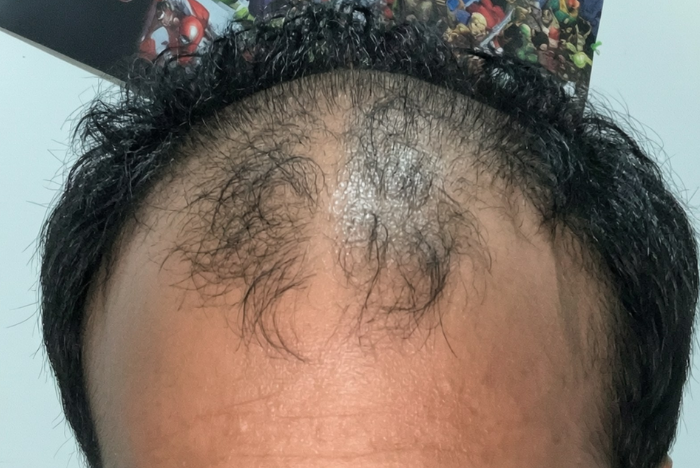
2018: The Olive Oil Phase. I started using olive oil every other day. After three months, my hair actually felt better—thicker, and the texture improved a bit. It wasn’t a miracle cure or anything, but I was fairly happy with the results for a while.
2019: Pumpkin Seed Oil and Onion Juice. I saw a reel on Instagram about pumpkin seed oil and decided to do some digging. Turns out, pumpkin seed oil is often described as a natural DHT blocker, so I started mixing it with olive oil. I also tried onion juice—applied it straight to my scalp, and even drank a little every morning. I basically threw the kitchen sink at my hair.
2021: The Real Concern. Things got more real. I started seeing actual gaps in my hair and began worrying about male pattern baldness. I read about minoxidil and finasteride, but the potential side effects scared me off. Instead, I leaned into more natural options—rosemary oil, jojoba oil, and eventually derma rolling. I stuck with that routine for about a year and saw some improvement, but it wasn’t anything dramatic.
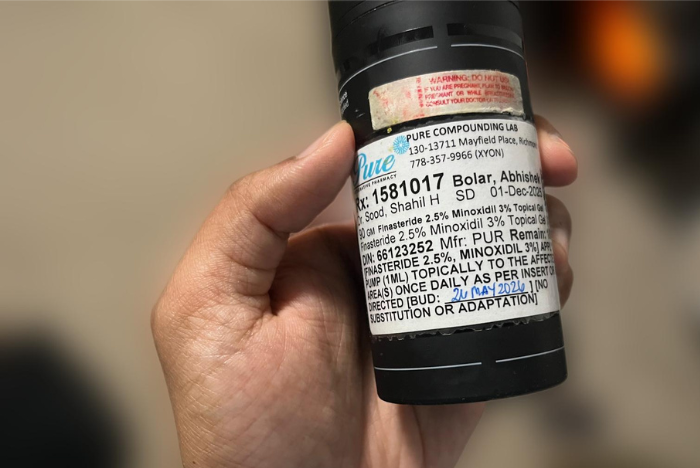
2025: Finding Xyon Gel. I met a hair stylist who suggested hair cream, a serum, and some supplements with iron, biotin, and vitamin C. I gave everything a shot for a couple of months, but didn’t see much difference. That was my breaking point. I finally learned about topical gels and creams, which are supposed to be safer than oral medications. After some research, I found Xyon gel and decided to give it a shot.
I’ve been using Xyon gel for almost a year now, and to be honest, it’s been working pretty well for me. For now, I’m sticking with this topical approach. But I want to be clear: what worked for me may not work for you. Everyone’s different, and I’d recommend discussing options with your doctor.
What the Research Says About Treatment Options
I’m not a medical professional, so I can’t recommend specific treatments. But I can share what I’ve learned from my own research and what I’ve discussed with my dermatologist.
Minoxidil. From what I’ve read, minoxidil appears to be widely studied and used by many people experiencing hair loss. It’s available over the counter as a foam or liquid that you apply to your scalp. My dermatologist gave me specific instructions on how to use it—I’d suggest getting the same guidance from yours.
Finasteride. My dermatologist recommended finasteride as part of my treatment plan. From what I understand, it addresses the hormonal component of hair loss, but I’m not a medical professional and can’t explain the science in detail. I’d suggest discussing it with your doctor to see if it’s appropriate for your situation.
Hair Transplant Surgery. Some men opt for hair transplant surgery, which involves moving hair follicles from one part of your scalp to another. This is a more permanent solution, but it’s also more expensive and invasive. Your dermatologist can tell you if you’re a good candidate.
Natural Remedies. I tried olive oil, rosemary oil, jojoba oil, onion juice, pumpkin seed oil, and derma rolling. Some of these helped a little with hair texture and thickness, but none of them stopped the underlying hair loss. That said, some research on rosemary oil has shown promising results, which I found interesting when I was exploring my options. If you’re looking for ways to make thin hair thicker, I share what worked for me in another blog post.
This is based on my personal experience and what I’ve read. Individual results vary. Consult your doctor before trying any treatment.
Should You See a Doctor About Hair Thinning?
Yes. If you’re noticing hair thinning, I’d recommend consulting a qualified healthcare professional. A board-certified dermatologist can diagnose the cause of your hair loss and recommend appropriate treatment.
When I finally saw a dermatologist, she examined my scalp under magnification and asked about my medical history and family history of hair loss. She used a device called a densitometer to assess the degree of miniaturization of my hair follicles. This helped determine that my hair loss was consistent with male pattern baldness.
Your dermatologist can determine what’s right for your situation. They can also rule out other causes of hair loss, like thyroid conditions, autoimmune disorders, or nutritional deficiencies.
FAQ
At what age does male hair start to thin?
Most men start noticing hair thinning in their late 20s to early 30s. However, about 25% of men with male pattern baldness see hair loss before age 21. The process can begin as early as the late teens.
Is balding at 25 normal?
Yes, balding at 25 is more common than most people think. About 20% of men start balding by age 20, and about 25% of men with male pattern baldness begin losing hair before age 21. If you’re noticing hair loss at 25, you’re not alone.
What percentage of men go bald by 40?
According to the American Hair Loss Association, about 40% of men have noticeable hair loss by age 35. By age 50, approximately 85% of men have significantly thinning hair. The percentage at age 40 falls somewhere in between.
Can hair grow back after thinning?
It depends on the cause. If hair loss is due to stress, nutritional deficiencies, or certain medical conditions, it may be reversible. However, male pattern baldness is permanent without treatment. Some treatments like minoxidil and finasteride can help regrow hair in some men, but results vary. Talk to your doctor about what’s right for your situation.
Does hair thinning mean I’ll go bald?
Not necessarily. Hair thinning can be caused by many factors, and not all of them lead to complete baldness. Male pattern baldness follows a predictable pattern, but the rate and extent of hair loss varies from person to person. A dermatologist can assess your specific situation and give you a better idea of what to expect.
If you’re looking for the best hairstyles for men with thin hair, I wrote about that too. And if you’re wondering is it possible to regrow hair on a bald spot, that blog post covers what I learned.
If you’re noticing hair thinning, don’t wait. The earlier you take action, the more options you have. Talk to a dermatologist about what’s right for your situation.
Key Takeaways
- Men’s hair thinning most commonly starts in the late 20s to mid-30s, but can begin as early as the late teens
- Genetics, hormones (DHT), and age are the main drivers of male pattern baldness
- Early signs include a receding hairline, thinning at the crown, and more hair falling out during daily activities
- The Norwood Scale helps classify the stages of male pattern baldness
- Consulting a dermatologist early gives you more options for managing hair loss
- Natural remedies may help with hair texture but typically don’t stop underlying hair loss
- Treatments like minoxidil and finasteride are options worth discussing with your doctor

Abhishek Bolar
Certified Hair Care Writer