Summary
Eating pumpkin seeds for hair growth provides your body with zinc, beta-sitosterol, omega-6 fatty acids, and antioxidants — nutrients that research suggests support the hair growth cycle. One randomized, double-blind study found that participants who took 400 mg of pumpkin seed oil daily for 24 weeks experienced a 40% increase in hair count, compared to just 10% in the placebo group. While pumpkin seeds aren’t a cure for genetic hair loss, adding them to your daily diet is a simple way to cover nutritional gaps that may contribute to thinning.
Why I Started Eating Pumpkin Seeds for Hair Growth
I started eating pumpkin seeds for hair growth and thickening my hair in 2026. Before that, I was using pumpkin seed oil topically — massaging it into my scalp with my fingertips to try and improve blood flow. It helped to a certain extent, but honestly, it wasn’t as effective as I hoped.
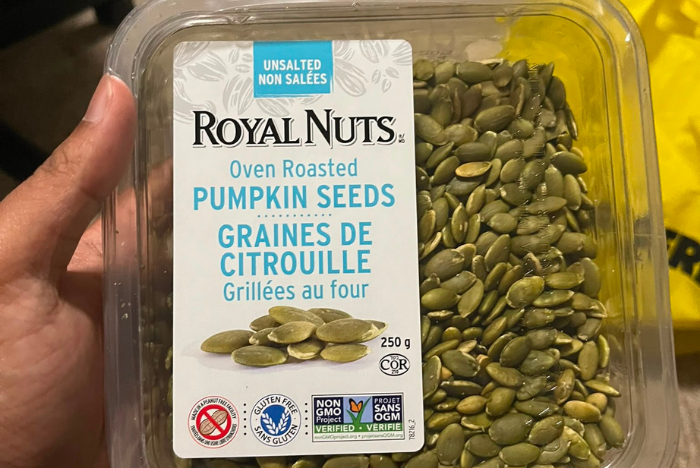
So once I realized that eating pumpkin seeds might be a better approach, I bought a pack from No Frills and started eating them regularly. I snack on them whenever I’m bored — just grab a handful and eat it. Sometimes I add them to my oats with walnuts and berries, and they go along with it really well.
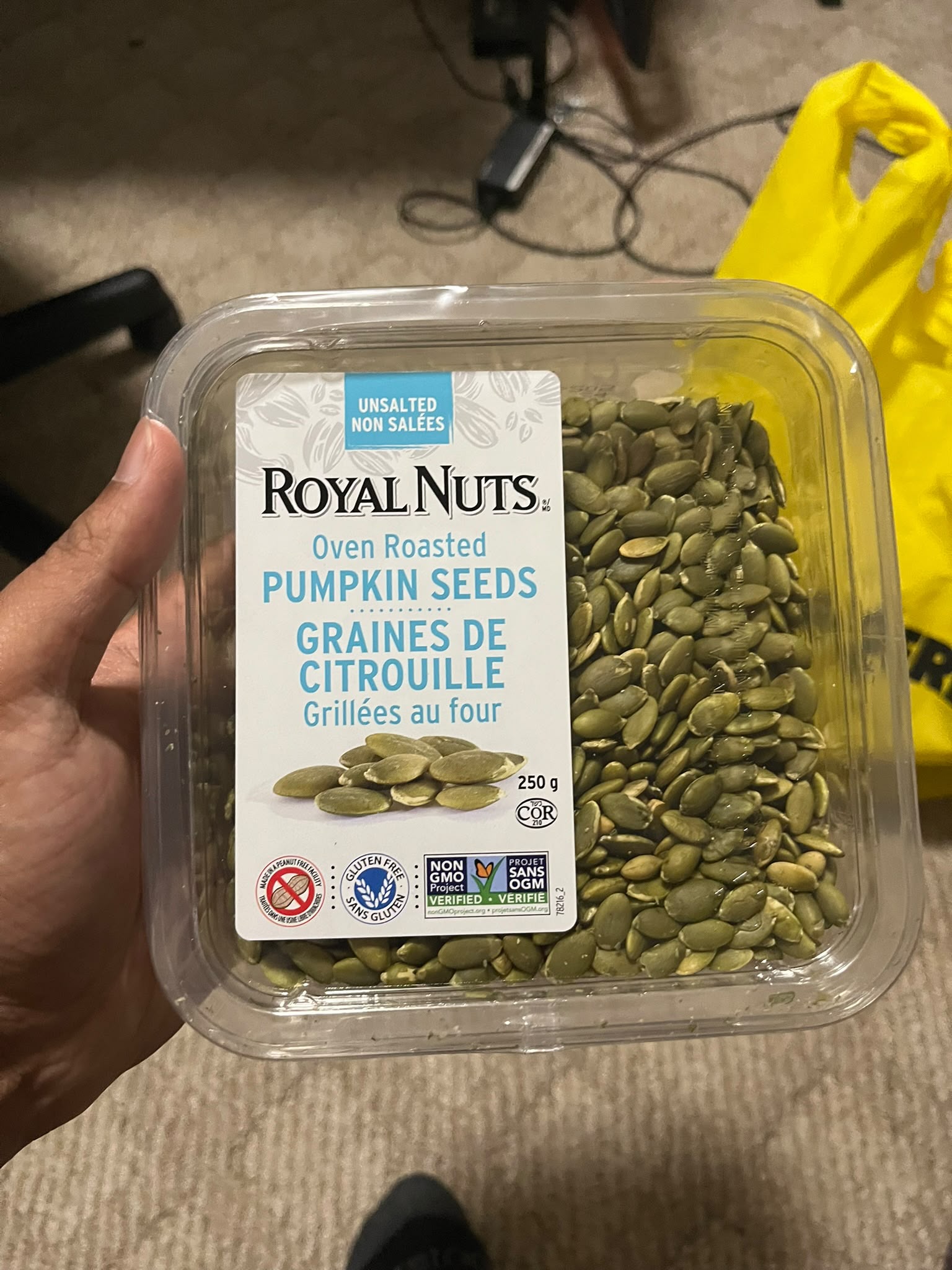
The switch from topical application to eating them made sense to me. When you eat pumpkin seeds, your body absorbs the nutrients internally — zinc, omega fatty acids, and antioxidants get delivered through your bloodstream to your hair follicles. With topical application, you’re relying on the oil penetrating your scalp, which is less predictable.
I’ve been eating them consistently for a while now, and my hair feels healthier than it did when I was only using the oil. Everyone’s different, so your experience may vary, but it was a worthwhile change for me. If you’re dealing with hair thinning, there are several foods to enhance hair growth that are worth adding to your diet alongside pumpkin seeds.
What’s Inside Pumpkin Seeds That Supports Hair Growth
Pumpkin seeds pack a surprising amount of hair-healthy nutrients into a small serving. Understanding what’s inside them helps explain why they’ve become a staple in my diet.
Zinc is one of the most important minerals for hair health. Pumpkin seeds contain approximately 7.5 mg of zinc per 100 grams. Zinc plays a role in protein synthesis and cell division — both of which are necessary for hair growth. Research suggests that zinc deficiency can contribute to hair loss, and getting enough from food sources like pumpkin seeds is a practical way to cover your bases.
Beta-sitosterol is a plant sterol found in pumpkin seeds, with approximately 265 mg of phytosterols per 100 grams. From what I’ve read, beta-sitosterol may influence the enzyme 5-alpha-reductase, which is involved in the conversion of testosterone to DHT. While I’m not a medical professional and can’t explain the science in detail, this mechanism is one reason pumpkin seeds are often discussed in the context of hair health.
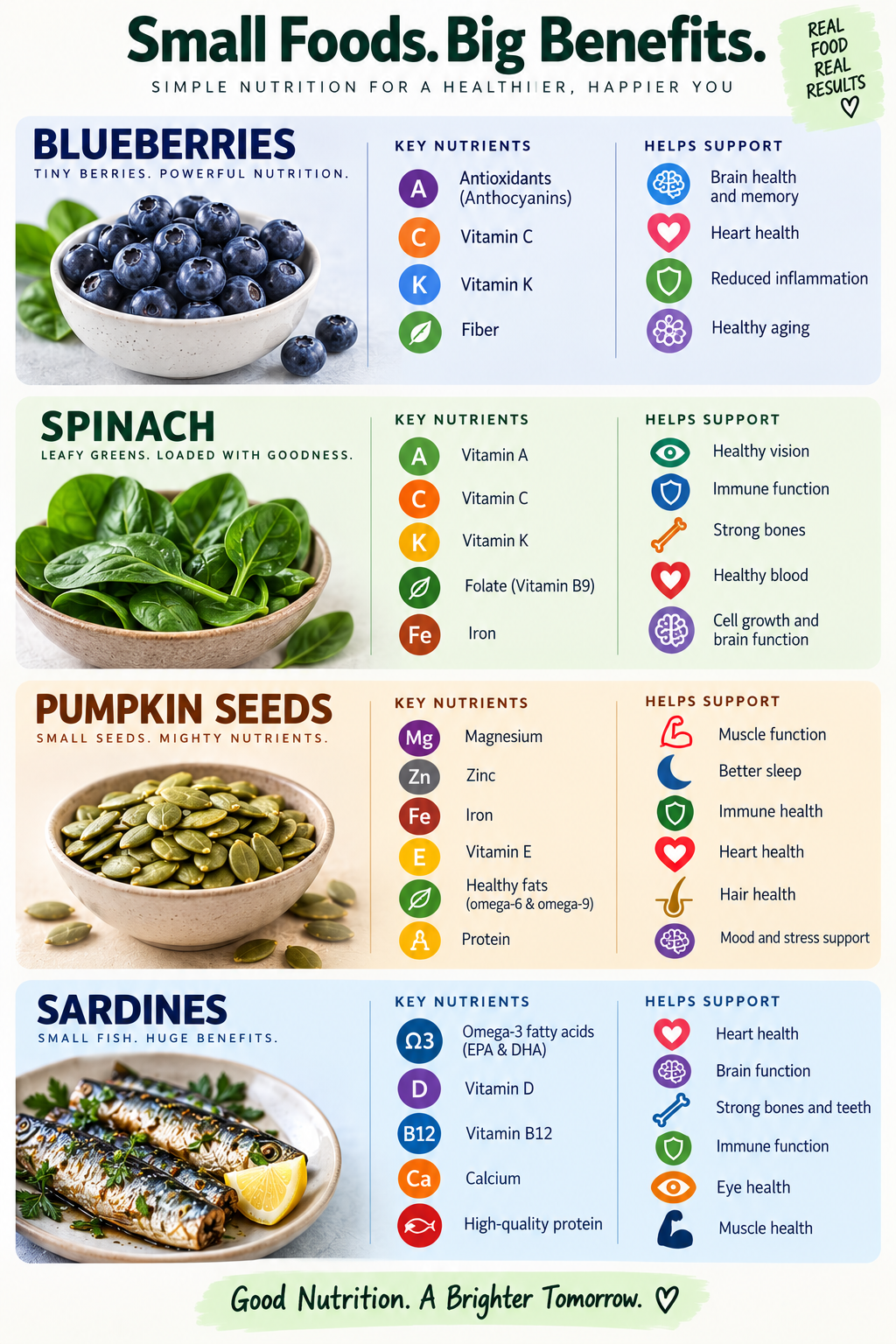
Omega-6 fatty acids, particularly linoleic acid, are another component of pumpkin seeds. Healthline notes that pumpkin seeds contain omega-6 and omega-3 fatty acids, which support overall scalp health and may help reduce inflammation around hair follicles.
Vitamin E and antioxidants round out the nutritional profile. Vitamin E acts as an antioxidant that helps protect cells from oxidative stress. One study I came across suggested that vitamin E supplementation improved hair growth in people with hair loss, though more research is needed to confirm these findings.
One clinical trial found that participants taking 400 mg of pumpkin seed oil daily for 24 weeks saw a 40% increase in hair count, while the placebo group only saw a 10% increase. Researchers also noted that self-rated improvement and satisfaction were significantly higher in the pumpkin seed oil group at 24 weeks. This isn’t medical advice — it’s one study, and individual results vary — but I found it encouraging when I was exploring my options.
Your dermatologist can help you understand whether pumpkin seeds or other nutrient-dense foods make sense for your specific situation. For me, knowing that these nutrients support hair health was enough to make eating pumpkin seeds a daily habit.
How to Eat Pumpkin Seeds for Hair Growth
Once I committed to eating pumpkin seeds regularly, figuring out how to actually incorporate them into my diet was the easy part. Here’s what’s worked for me.
As a snack. The simplest approach is just eating them straight. I keep a bag of pumpkin seeds on hand and grab a handful whenever I’m having barley tea, coffee, or chai. They’re crunchy, slightly nutty, and satisfying enough to curb boredom eating — which is usually when I reach for them.
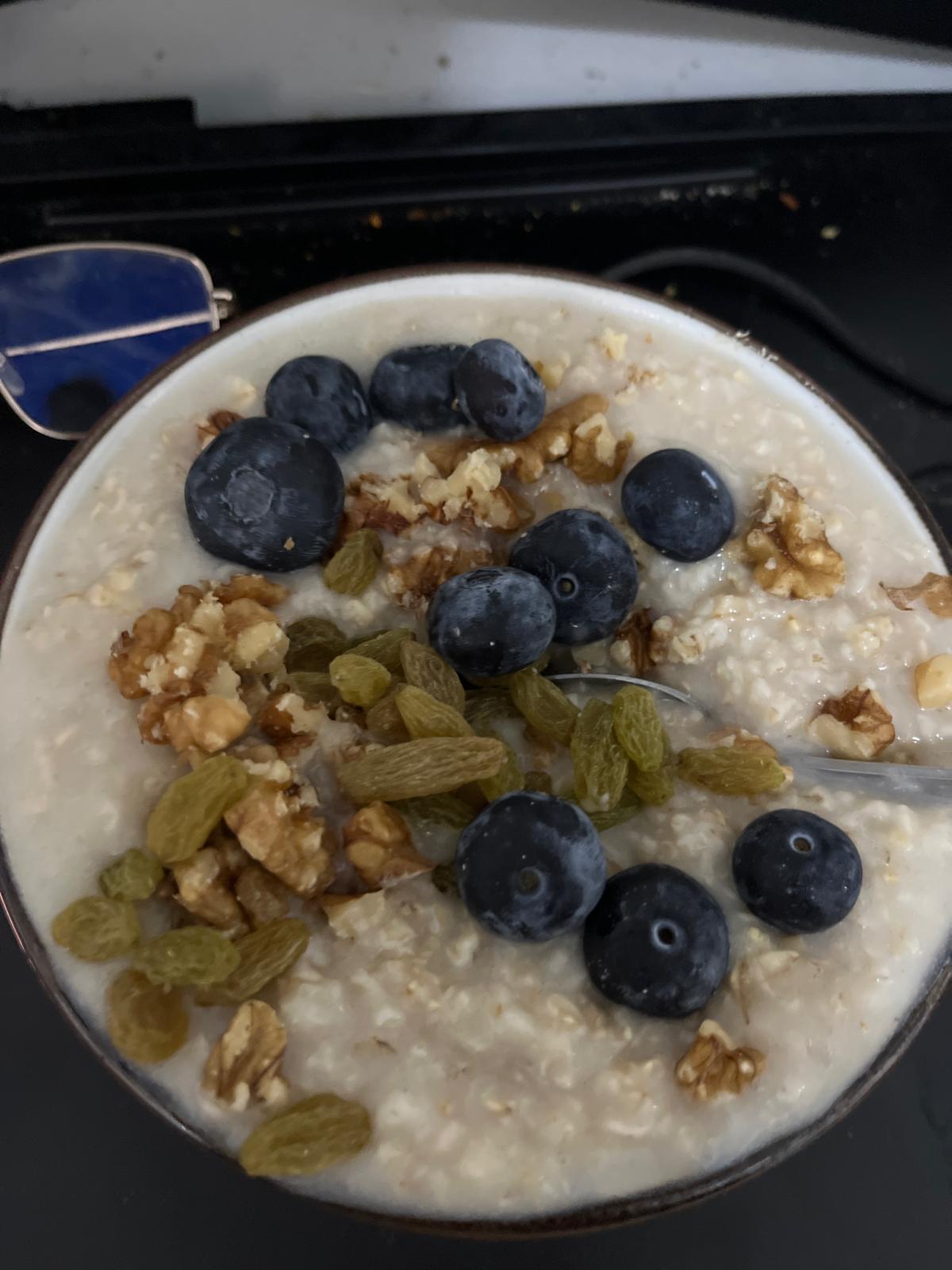
In oatmeal. This is my favorite way to eat them. I mix pumpkin seeds into my morning oats along with walnuts and blueberries. The combination is genuinely delicious — the seeds add a nice crunch, and the walnuts and berries round out the flavor. It also gives me a solid dose of protein, omega-3s, zinc, and antioxidants in one meal.
Raw vs roasted. Recently, I learned that raw pumpkin seeds are much more nutritious than roasted pumpkin seeds, mainly because they’re in their unprocessed form. Even though raw seeds are a little harder to chew, I think they’re more effective. Roasting can reduce some of the delicate fatty acids and antioxidants, so if you can handle the texture, raw is the better option.
How much to eat. There’s no specific dosage I follow — I just eat a handful whenever I feel like it. Research suggests that the benefits come from consistent, daily intake rather than occasional large amounts. Think of it as a long-term habit, not a quick fix.
If you’re looking for more ways to support your hair through diet, there are practical strategies for avoiding thinning hair as a man that go beyond just adding pumpkin seeds. Small, consistent changes to your meals can add up over time.
I’d also recommend looking into making thin hair thicker through a combination of diet, hair care routines, and professional guidance. Pumpkin seeds are one piece of the puzzle — they work best when paired with a broader approach to hair health.
Talk to your doctor about whether pumpkin seeds or other nutrient-dense foods are appropriate for your situation. I’m sharing what’s worked for me, but everyone’s different.
Conclusion
Eating pumpkin seeds for hair growth has become a simple, daily habit that I genuinely enjoy. They’re packed with zinc, beta-sitosterol, omega-6 fatty acids, and antioxidants — nutrients that research suggests support the hair growth cycle. One study showed a 40% increase in hair count over 24 weeks with daily pumpkin seed oil intake, which I found encouraging.
That said, pumpkin seeds aren’t a miracle cure. They’re one part of a bigger picture that includes a balanced diet, a consistent hair care routine, and professional guidance. I eat them because they’re easy to add to my meals, they taste good, and they give me nutrients that support my hair health.
If you’re dealing with thinning, start with your diet. Adding pumpkin seeds, eggs, sardines, and leafy greens can help address nutritional gaps that may be contributing to your hair loss. Then talk to your dermatologist about what else you can do.
This is based on my personal experience — your results may vary, and professional guidance is essential.
Key Takeaways
- Pumpkin seeds are rich in zinc, beta-sitosterol, and omega-6 fatty acids — all nutrients that research suggests support the hair growth cycle.
- One clinical study showed a 40% increase in hair count after 24 weeks of daily pumpkin seed oil intake, compared to 10% in the placebo group.
- Raw pumpkin seeds are more nutritious than roasted because they retain their full nutrient profile, though they’re slightly harder to chew.
- Eating pumpkin seeds is more effective than topical application because your body absorbs the nutrients internally and delivers them to hair follicles through the bloodstream.
- Consistency matters more than quantity — eating a handful daily is more beneficial than occasional large amounts.

Abhishek Bolar
Certified Hair Care Writer