TL;DR
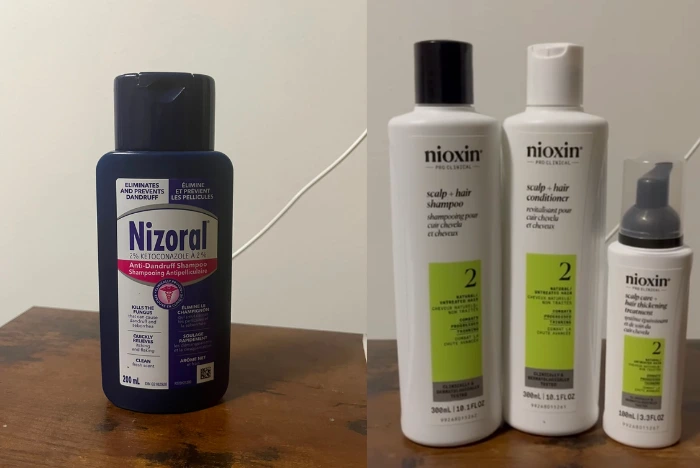
The best hair products for thin hair include volumizing shampoos and conditioners like Nioxin System Kit, thickening treatments like Nioxin Scalp Treatment Foam, and styling products like Living Proof Full Dry Volume Spray and Color Wow Raise The Root. Lightweight formulas with ingredients like biotin, keratin, and panthenol add thickness without weighing strands down. For thinning caused by scalp issues, Nizoral Anti-Dandruff Shampoo addresses the root cause. Personal results vary, so consult a dermatologist before starting any new product regimen.
If you have ever stood in the shampoo aisle staring at twenty bottles that all promise thicker hair, I get it. I have been there. My hair started thinning back in 2018 when I was in my late twenties, and finding the right products felt overwhelming.
I am someone who has personally experienced the challenges of male pattern baldness and a certified trichologist through the Trichology and Hair Therapy Course at Elevify in 2026. I am not a doctor or dermatologist. This blog post shares my personal experience and research. Always consult a qualified healthcare professional before starting any treatment.
After years of trial and error — olive oil, onion juice, rosemary oil, derma rolling, and everything in between — I figured out which products actually help thin hair look and feel thicker. Here is what I learned.
Best Shampoo and Conditioner for Thin Hair
The shampoo and conditioner you use matters more than you think. Heavy formulas weigh fine hair down and make it look flatter. Lightweight, volumizing formulas clean without stripping and leave strands feeling thicker.
Nioxin System Kit — My Go-To for Thickening
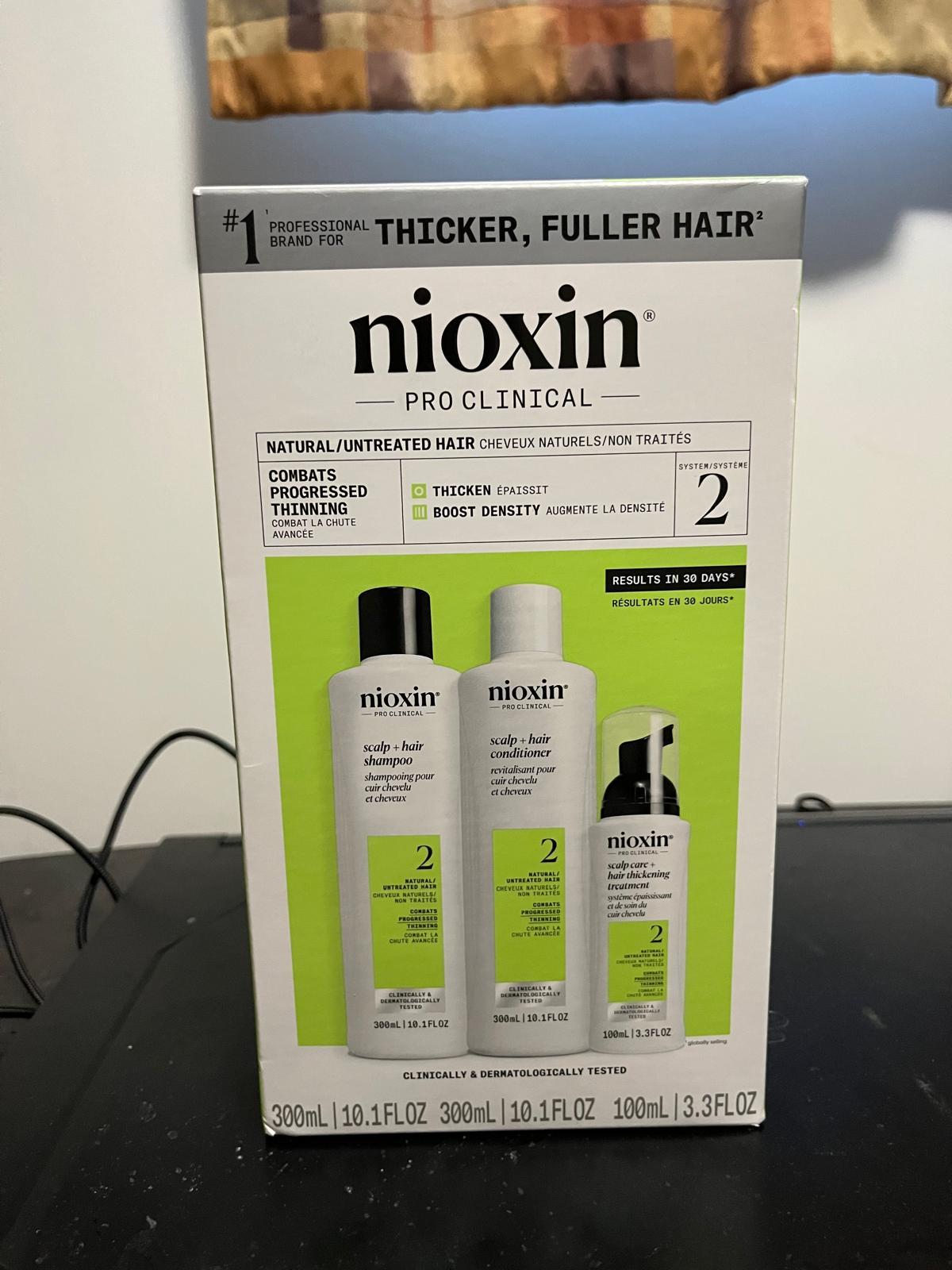
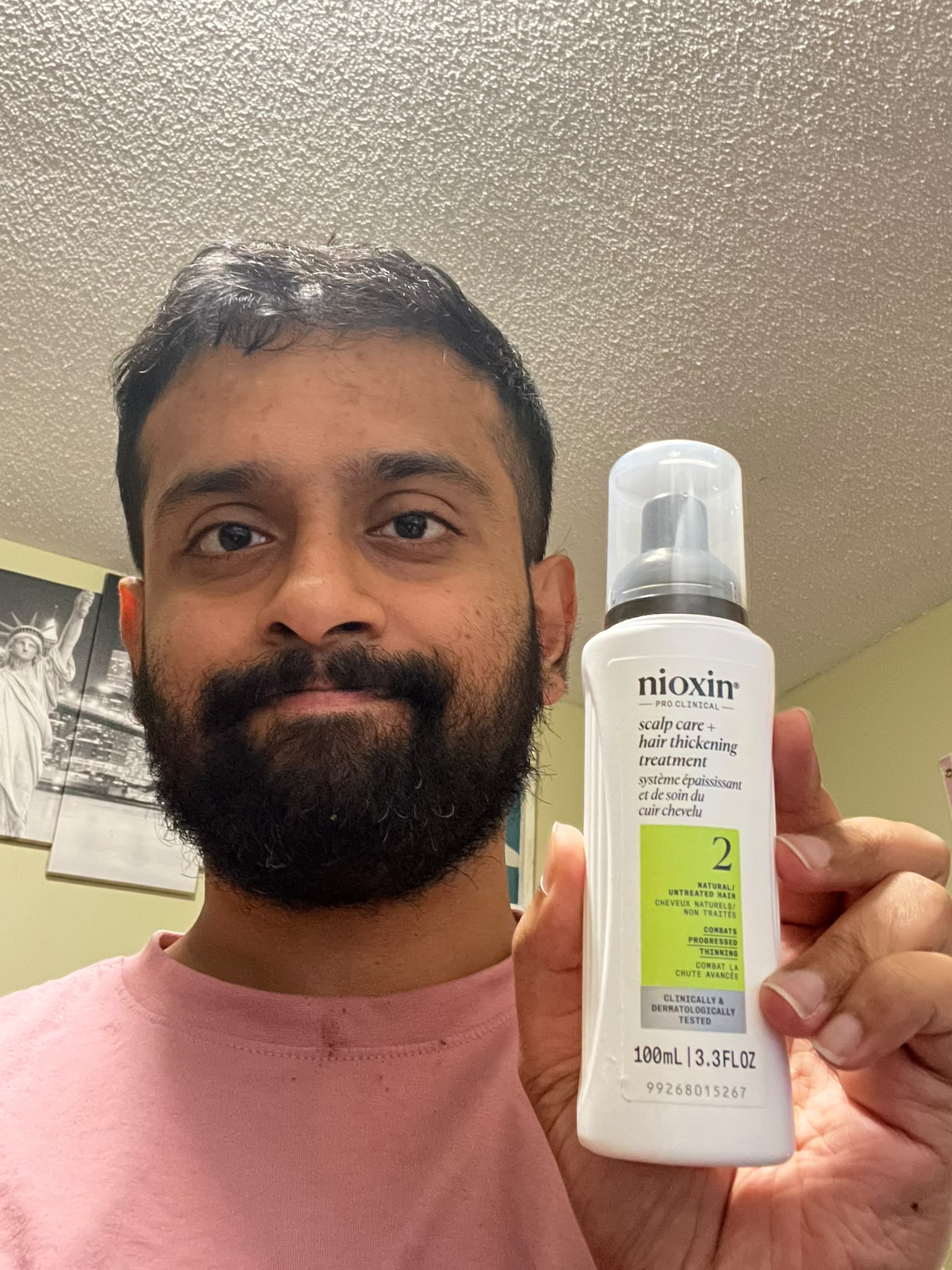
I bought the Nioxin Scalp + Hair Thickening System Kit on August 1, 2026, and it has become a core part of my routine. The kit includes a cleanser shampoo, scalp therapy conditioner, and a scalp treatment foam.
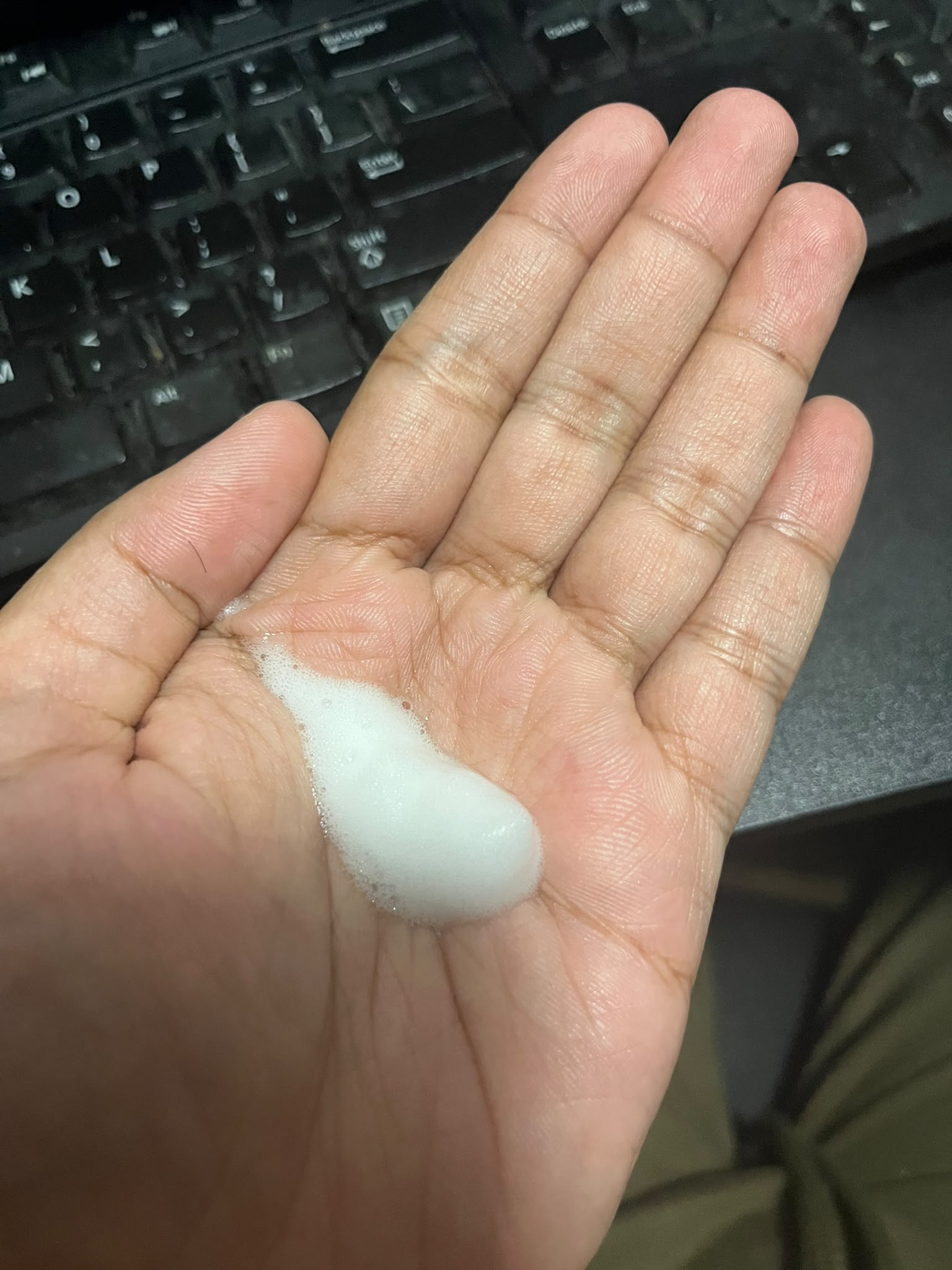
The first time I used it, I shampooed for about a minute, followed with the conditioner for two minutes, and then applied the thickening foam across my scalp. Immediately, I could not see much of a difference. But the next day after my hair dried, it looked like it had more volume. The thickening effect was real, though it did make my hair look slightly frizzy.
Nioxin System Kit contains niacinamide (Vitamin B3), caffeine, and peppermint oil. These ingredients support the scalp and coat each strand for a fuller look. From what I have read, the brand reports that 85 percent of users noticed thicker hair within 30 days of consistent use. In my experience, the results started showing after the first few washes, but they improve over time.
I use Nioxin twice a week now. Compared to Nizoral, which I use for dandruff, Nioxin does a better job at making my hair look thicker. The day after I wash with Nioxin, my hair looks and feels better.
For more details, check out my first hair wash with Nioxin experience.
Nizoral Anti-Dandruff Shampoo — Scalp Health First
Healthy hair starts with a healthy scalp. If you have thinning hair and dandruff, the constant itching and scratching can make things worse. I learned this the hard way.
I first bought Nizoral about three years ago because I had serious dandruff issues. The itching was constant, especially during summer. After trying lime juice and other home remedies, I found Nizoral Anti-Dandruff Shampoo. After just two washes, the flakes disappeared from my scalp.
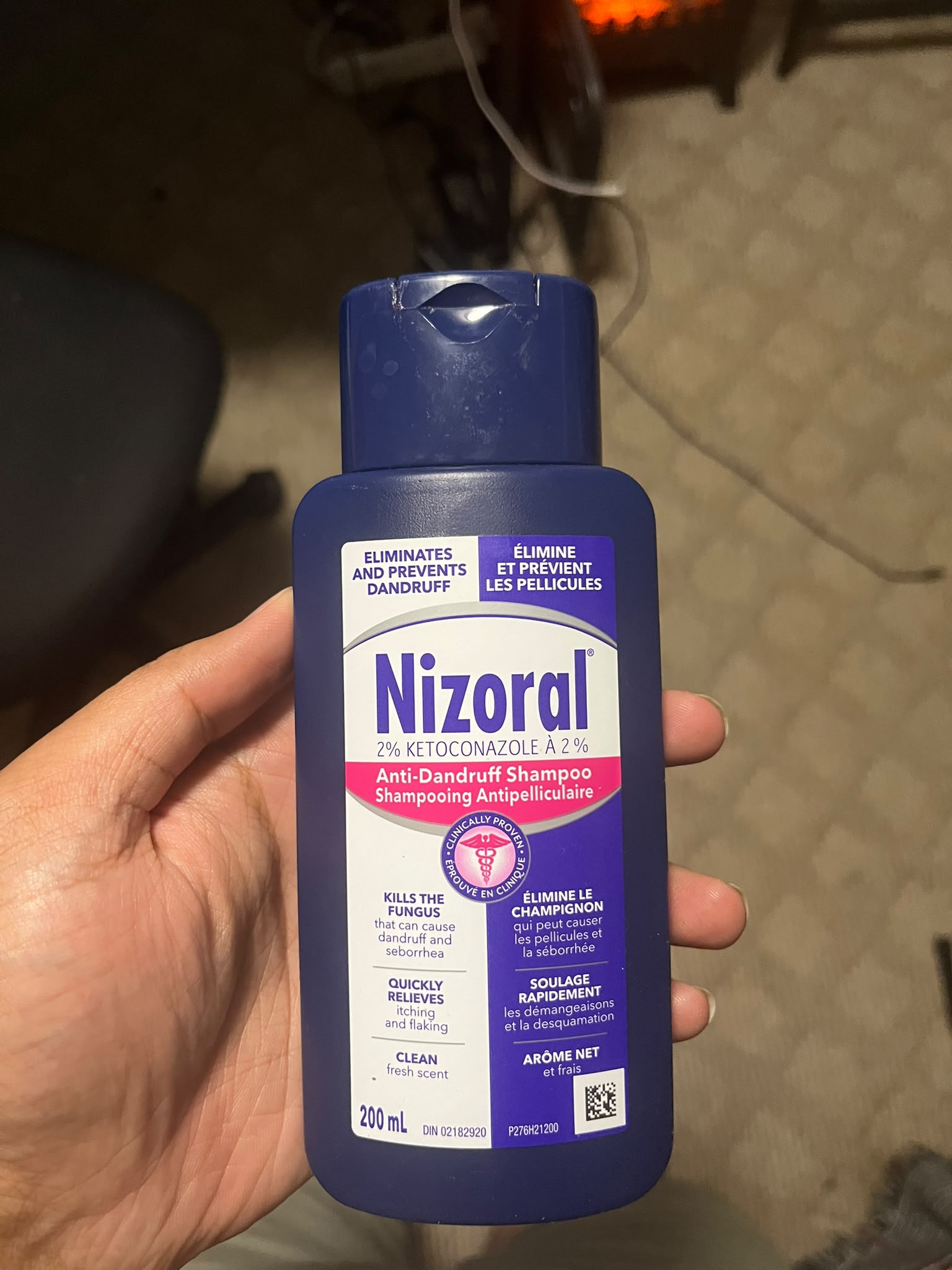
Nizoral contains ketoconazole 2 percent, which binds to hair protein to address dandruff-causing fungi. I started using it three times a week to tackle the dandruff, then reduced to once a week as my scalp improved. That is what I maintain now.
I would not call Nizoral better or worse than Nioxin because they serve different purposes. Nizoral clears dandruff and keeps the scalp clean. Nioxin thickens existing hair strands. I use both — Nizoral once a week and Nioxin twice a week on different days.
If dandruff is making your thinning worse, read more about the best anti-dandruff shampoo for thinning hair.
OUAI Shampoo for Fine Hair — Lightweight Daily Wash
OUAI Shampoo for Fine Hair is a popular pick for people with thin, flat hair. It is designed to cleanse without weighing strands down. The formula is lightweight and works well as a daily or alternate-day wash when you are not using Nioxin or Nizoral.
From what I have read, OUAI uses gentle surfactants that remove oil and buildup without stripping moisture. This matters for fine hair because over-cleansing can make strands feel dry and staticky, while under-cleansing leaves them greasy and flat.
Best Thickening Treatments for Thin Hair
Thickening treatments sit between your conditioner and styling products. They coat each strand, making hair appear fuller. Some apply to the scalp, others to the hair itself.
Nioxin Scalp Treatment Foam
The leave-in scalp treatment that comes with the Nioxin System Kit is the product I apply after shampooing and conditioning. It looks like a foam that spreads easily across the scalp.
In my experience, the treatment absorbs fast with no grease or crunch once it dries. It contains antioxidants that protect hair from environmental stress. The peppermint oil creates a cooling sensation on the scalp that feels active and refreshing.
For best results, apply it to towel-dried hair and work it through from roots to ends. I apply it across my entire scalp, focusing on the crown and front areas where my thinning is most visible.
Virtue Flourish Density Booster
Virtue Flourish Healthy Hair Growth Drug-Free Density Booster is an editorial favorite for thinning hair. It contains a protein blend designed to make existing hair strands appear thicker and fuller.
From what I have read, this product uses Alpha Keratin 60ku, a protein derived from human hair. The idea is that this protein binds to damaged areas of the hair shaft and fills in gaps, making each strand feel stronger and look thicker.
It works best when applied to damp hair before styling. If you want a drug-free option for adding density, this is one of the more respected products in that category.
Living Proof Full Thickening Blow-Dry Cream
Living Proof Full Thickening Blow-Dry Cream is designed for fine hair that needs body and movement. It is a leave-in cream that you apply before blow-drying.
The formula uses a thickening molecule called PBAE that creates space between hair strands. This makes hair look fuller without the stiff, product-heavy feeling that some volumizing products leave behind.
Apply a small amount to damp hair, focusing on the mid-lengths and ends. Then blow-dry while lifting the roots with your fingers or a round brush.
Best Styling Products for Thin Hair
Styling products add the finishing touch. They lock in volume, add texture, and help thin hair hold its shape throughout the day.
Living Proof Full Dry Volume and Texture Spray
Living Proof Full Dry Volume and Texture Spray is one of the most recommended styling products for fine hair. It adds instant volume and texture without weighing hair down.
You spray it into dry hair, targeting the roots and mid-lengths. The formula creates space between strands, which makes hair look thicker and fuller. It also provides a light hold that keeps styles in place without stiffness.
In my experience, texture sprays like this one work best when you lift sections of hair and spray directly at the roots. This gives you more targeted volume exactly where you need it.
Bumble and bumble Thickening Dryspun Texture Spray
Bumble and bumble Thickening Dryspun Texture Spray is another top pick for adding body to thin hair. It creates a matte, tousled finish that makes hair look naturally fuller.
The spray contains micro-fibers that cling to each strand, adding density and grip. This makes it easier to create volume that lasts through the day. It works well on both clean and second-day hair.
Apply it to dry hair, focusing on the crown and areas where you want more lift. Scrunch and tousle with your fingers to distribute the product and build texture.
Color Wow Raise The Root Thicken and Lift Spray
Color Wow Raise The Root Thicken and Lift Spray targets the root area specifically. It is designed to give flat, thin hair instant lift at the scalp.
From what I have read, this product uses a blend of polymers and conditioners that coat the root area and create space between strands. The result is visible lift that lasts until your next wash.
Apply it to damp roots before blow-drying. Use a round brush to lift the hair upward while directing the dryer at the roots. This combination creates the most visible lift and fullness.
Kenra Platinum Thickening Mousse
Mousse is one of the best product types for thin hair. Kenra Platinum Thickening Mousse adds volume and body without the heaviness that creams and oils can create.
Celebrity hairstylist Aaron King recommends applying mousse liberally from root to end on towel-dried hair, then blow-drying to get the most lift. He notes that you can double your hair diameter with a mousse that is blow-dried into your hair.
Start at the back of the head where the hair is fullest and work forward. This prevents too much product from concentrating at the front, which can weigh down the hair you are most self-conscious about.
Best Hair Tools for Thin Hair
The right tools prevent breakage and help thin hair hold its shape. Using the wrong brush or applying too much heat can damage fragile strands and make thinning worse.
Tangle Teezer for Fine and Fragile Hair
Tangle Teezer makes a brush specifically designed for fine and fragile hair. The flexible bristles detangle without pulling or snapping strands. This matters because every strand counts when your hair is thin.
Detangling wet hair is when most breakage happens. Wet hair is more elastic and fragile. A brush like Tangle Teezer glides through knots with less force, which means fewer strands end up in the drain.
Heat Styling Tips for Thin Hair
Heat can help thin hair look fuller, but it can also damage it if you are not careful. Here is what I have learned:
- Use a heat protectant spray before blow-drying or using hot tools
- Keep temperatures on the lower end of the range — fine hair is more sensitive to heat
- Blow-dry your hair in sections, lifting the roots upward for volume
- Avoid holding the dryer too close to your scalp — six inches is a good distance
If you want to learn more about styling techniques, check out whether is short hair better for thin hair.
What I Tried That Did Not Work
I tried every home remedy and natural solution before finding products that actually made a difference. Here is what did not work for me.
Olive oil. In 2018, I started applying olive oil to my hair every other day. After three months, my hair felt slightly thicker and the texture improved a bit. But the results were temporary and did not address the underlying thinning.
Pumpkin seed oil mixed with olive oil. I read that pumpkin seed oil is a natural DHT blocker, so I mixed it with olive oil and massaged it into my scalp. I was intentional about the application, using my fingertips to massage the scalp. It felt good, but the impact on actual regrowth was minimal.
Onion juice. This was my desperate phase. I applied onion juice straight to my scalp and even drank a small amount every morning. The idea was to improve scalp blood flow. It smelled terrible and did not produce noticeable results.
Rosemary oil and jojoba oil. I used these oils along with derma rolling for about a year starting in 2021. The derma roller was a $25 device from Amazon with 0.5mm needles that I used once a week. While these oils and the derma roller helped me maintain what hair I had, they could not stop the progression of my thinning.
Hair stylist supplements. A hair stylist I visited suggested iron, biotin, and vitamin C supplements. I gave everything a shot for a couple of months but did not see much difference. She also suggested changing my diet, which I eventually did — but the supplements alone were not the answer.
The lesson I learned: natural oils and home remedies can support scalp health, but they are not enough on their own for significant thinning. What finally moved the needle for me was combining a thickening system like Nioxin with a targeted treatment. Your dermatologist can determine what is right for your situation.
My Actual Hair Care Routine for Thinning Hair
After years of experimenting, here is the routine I follow now:
Wash days (alternate days):
- Apply Xyon gel (topical treatment my dermatologist prescribed) to my crown and front areas
- Shampoo with Nioxin Cleanser Shampoo for about one minute
- Follow with Nioxin Scalp Therapy Conditioner for two minutes
- Apply Nioxin Scalp Treatment Foam across my scalp
- Blow-dry and style
Non-wash days:
- Apply Xyon gel to thinning areas
- Style as needed
Once a week:
- Replace Nioxin shampoo with Nizoral Anti-Dandruff Shampoo to keep dandruff under control
Daily:
- Take pumpkin seeds as a snack with my coffee or chai
- Eat eggs, spinach, sardines, and oats as part of my diet
- Use a hair massager two to three times a week to support scalp circulation
The foods I eat play a big role in supporting my hair health. For more details on what I eat and why, read about foods to enhance hair growth.
The key for me has been consistency. None of these products work overnight. I give each product at least two to three months before judging whether it is making a difference.
For more on what causes thinning in the first place, read about what causes thinning hair. And if you want practical ways to improve thickness, check out how to make thin hair thicker.

FAQ
What is the difference between fine and thin hair?
Fine hair refers to the diameter of each individual strand — meaning the hair itself is smaller in thickness. Thin hair describes the density of hair follicles on the scalp. You can have fine hair that is thick (lots of strands) or thin hair that is coarse (thicker individual strands). Most products for thin hair are designed to address density, while products for fine hair focus on adding body to each strand.
What ingredients should I look for in shampoo for thin hair?
Look for biotin, keratin, panthenol, niacinamide, and caffeine. Biotin supports hair strength. Keratin reinforces the hair shaft. Panthenol penetrates the strand and adds moisture without weight. Niacinamide supports scalp health. Caffeine can help create the appearance of thicker hair. Rice protein and collagen are also common in volumizing formulas.
What ingredients should I avoid in products for thin hair?
Avoid heavy oils like coconut oil and argan oil in large amounts. Avoid thick silicones like dimethicone that build up and weigh hair down. Mineral oil and petrolatum can create a heavy coating that makes fine hair look flat. Opt for lightweight, water-based formulas designed for fine or thin hair.
How often should I wash thin hair?
It depends on your scalp and lifestyle. Most people with thin hair benefit from washing every other day or two to three times per week. Over-washing can strip natural oils and make hair dry. Under-washing allows oil and product buildup that weighs hair down. I wash my hair on alternate days because I apply Xyon gel on alternate days.
Can thin hair become thick again?
It depends on the cause. If thinning is related to nutritional deficiencies, stress, or scalp conditions, addressing those factors may improve hair thickness. If thinning is genetic (male or female pattern baldness), you can make existing hair appear thicker with the right products, but regrowing lost density typically requires medical treatment. Talk to a dermatologist about your specific situation.
What is the best hairstyle for thin hair?
Shorter styles tend to work better because they do not weigh hair down. A blunt cut or textured crop can create the appearance of more density. Avoid overly long styles that pull hair flat. Blow-drying with a round brush while lifting the roots adds volume. For more ideas, read about is short hair better for thin hair.
Are volumizing products safe for thinning hair?
Yes, most volumizing products are cosmetic products designed to make hair look thicker. They do not treat hair loss or regrow hair. They coat each strand to create the appearance of fullness. This is safe for thinning hair. However, if you are using a medical treatment like minoxidil or finasteride, talk to your doctor about which styling products are compatible.
Should I use conditioner if I have thin hair?
Yes, but choose a lightweight formula. Conditioners designed for fine hair add moisture and smooth the cuticle without weighing strands down. Skip heavy cream conditioners and look for volumizing or lightweight conditioners. Apply conditioner from mid-lengths to ends, avoiding the roots where you want the most lift.
Key Takeaways
- Choose lightweight, volumizing shampoos and conditioners like Nioxin System Kit that cleanse without weighing thin hair down
- Thickening treatments and styling sprays like Color Wow Raise The Root and Living Proof Texture Spray add visible fullness to each strand
- Healthy scalp habits — including a medicated shampoo like Nizoral for dandruff — create the foundation for thicker-looking hair
- Consistency matters more than any single product — give each product two to three months before judging results
- Talk to a dermatologist about the cause of your thinning and which products or treatments are right for your situation

Abhishek Bolar
Certified Hair Care Writer